
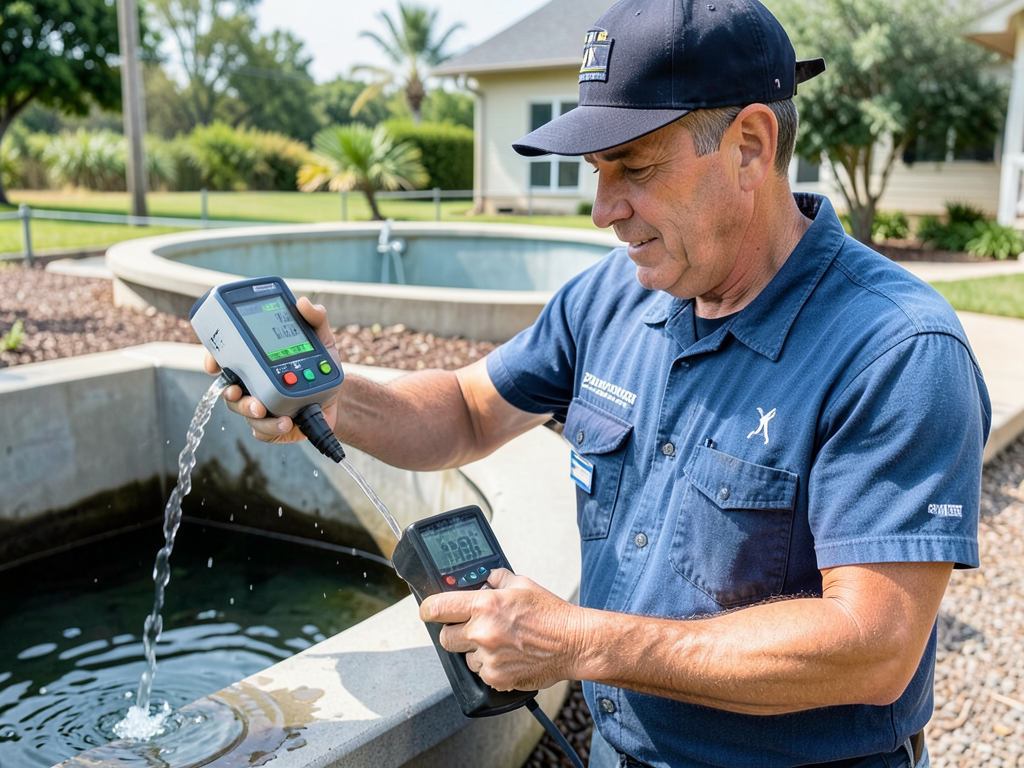
Hard water solutions for Pungo properties using well water
Pungo’s rural well water contains high levels of iron, sulfur, and calcium that create unique challenges for homeowners. The sandy aquifer beneath southern Virginia Beach produces water with distinctive characteristics that require specialized treatment systems. Most Pungo properties rely on private wells rather than city water, making proper filtration essential for protecting plumbing fixtures and appliances. Virginia Department of Health Drinking Water.
The first 100 feet of Pungo’s groundwater typically contains dissolved iron at 2-5 parts per million and hydrogen sulfide gas that creates the characteristic rotten egg odor. Calcium hardness levels often exceed 15 grains per gallon, far above the 7 GPG threshold considered problematic. These minerals form scale deposits that reduce water heater efficiency by up to 30% and clog pipes over time. Water Quality Association.
Understanding Pungo’s specific water chemistry allows for targeted treatment solutions that address the exact contaminants present in each well. A comprehensive water test reveals the specific mineral composition and guides system selection for optimal performance and cost-effectiveness.. Read more about Switching to a tankless water heater in your Sandbridge vacation home.
Common well water contaminants in Pungo
Pungo’s well water contains several naturally occurring minerals that require different treatment approaches. Iron appears in two forms: dissolved ferrous iron that causes red staining and oxidized ferric iron that creates orange particles in water. Both forms require specific filtration media for removal.
Hydrogen sulfide gas creates the most noticeable problem with its distinctive rotten egg smell. This gas dissolves in water and escapes when pressure drops, such as when turning on a faucet. The gas corrodes metal plumbing and creates black stains on fixtures. Treatment requires oxidation followed by filtration to remove the resulting particles.
Calcium and magnesium create hard water scale that builds up inside pipes, water heaters, and appliances. Scale reduces water flow, decreases heating efficiency, and shortens appliance lifespan. The high mineral content also makes soap less effective, requiring more detergent for cleaning tasks.. Read more about Professional drain cleaning services for Kempsville homeowners dealing with stubborn clogs.
Agricultural runoff occasionally introduces nitrates and pesticides into the aquifer, particularly in areas near farmland. These contaminants require specialized filtration systems and regular testing to ensure water safety for drinking and cooking.
Water testing and analysis process
Professional water testing provides the foundation for effective treatment. A comprehensive analysis measures mineral content, pH levels, and potential contaminants specific to Pungo’s aquifer. Testing typically costs between $150-300 and includes laboratory analysis of multiple water quality parameters.
The testing process begins with collecting samples from multiple points in the home’s plumbing system. Cold water from the well, hot water from the heater, and treated water samples help identify where problems occur. pH testing determines whether water is acidic or alkaline, which affects treatment system selection.
Iron testing distinguishes between ferrous and ferric forms, as each requires different filtration approaches. Total dissolved solids measurements indicate overall mineral content, while hardness testing quantifies calcium and magnesium levels in grains per gallon. These numbers determine the appropriate system size and configuration.
Additional testing for bacteria, nitrates, and volatile organic compounds ensures water safety beyond mineral content. Annual retesting monitors for changes in water quality that might require system adjustments or upgrades.
Custom water treatment solutions
Water softeners using ion exchange technology remove calcium and magnesium through resin beads that attract and hold these minerals. The system replaces hardness minerals with sodium or potassium ions, producing soft water that prevents scale formation. Regeneration cycles flush accumulated minerals and recharge the resin.
Iron filters use different media depending on iron concentration and form. Birm media oxidizes ferrous iron into particles that can be filtered out. Greensand filters use potassium permanganate to regenerate their oxidation capacity. Catalytic carbon filters handle both iron and hydrogen sulfide through chemical reactions.
Reverse osmosis systems provide comprehensive filtration for drinking water, removing up to 99% of dissolved minerals and contaminants. These systems use semi-permeable membranes that block particles larger than water molecules. RO systems typically include multiple pre-filters to protect the membrane and extend its lifespan.
Combination systems integrate multiple treatment technologies for properties with complex water quality issues. A typical setup might include iron filtration, water softening, and reverse osmosis for drinking water. Proper sizing ensures adequate flow rates for household demand without pressure drops.
Installation considerations for Pungo properties
Pungo’s rural properties often require larger treatment systems than suburban homes due to higher water usage and multiple bathrooms. Well pump capacity determines the maximum flow rate available for treatment systems. Oversized systems can cause pressure drops, while undersized systems fail to provide adequate treatment.
Installation location affects system performance and maintenance access. Treatment equipment needs protection from freezing temperatures, direct sunlight, and flooding. Many Pungo properties use basements, utility rooms, or dedicated pump houses for equipment placement. Adequate drainage for backwash cycles prevents water damage.
Electrical requirements include dedicated circuits for control valves, pumps, and regeneration cycles. Most systems operate on standard 120-volt power, though some larger units require 240-volt circuits. Proper grounding protects sensitive electronic controls from power surges common in rural areas.. Read more about Is it worth switching from an electric to a gas water heater in King’s Grant?.
Plumbing connections must match existing pipe sizes and materials. Copper, PEX, and CPVC pipes each require specific fittings and installation techniques. Pressure relief valves protect against system overpressure, while check valves prevent backflow contamination.
Maintenance requirements and schedules
Water softener maintenance includes monthly salt level checks and annual resin bed cleaning. Salt bridges can form in humid conditions, preventing proper regeneration. Breaking up these bridges ensures consistent soft water production. Resin typically lasts 10-15 years with proper care.
Iron filter media requires periodic replacement based on iron levels and water usage. High-iron wells may need media changes every 2-3 years, while lower concentrations extend replacement intervals to 5-7 years. Potassium permanganate levels must be monitored and replenished for greensand filters.
Reverse osmosis membranes need replacement every 2-3 years under normal conditions. Pre-filters should be changed every 6-12 months to protect the membrane from sediment and chlorine damage. Post-filters improve taste and remove any remaining odors.
Annual system inspections identify worn components before failures occur. Control valves, pumps, and sensors require calibration and testing. Water quality testing verifies treatment effectiveness and detects changes requiring system adjustments.
Cost factors and system selection
Basic water softeners for Pungo properties typically cost $1,500-2,500 installed, depending on capacity and features. Iron filtration systems add $800-1,500 to the total cost. Complete treatment packages with multiple technologies range from $3,000-6,000 installed.
Operating costs include salt or potassium for regeneration, replacement filters, and electricity for control systems. Annual maintenance contracts provide professional service and priority response for $200-400 per year. DIY maintenance reduces costs but requires technical knowledge and time investment.
System sizing depends on household water usage, hardness levels, and iron concentration. A family of four using 300 gallons daily requires a 30,000-grain softener for 15 GPG hardness. Higher hardness or iron levels increase system capacity requirements proportionally.
Energy efficiency varies significantly between models. High-efficiency softeners use 50-75% less salt and water during regeneration cycles. The higher initial cost often pays for itself within 2-3 years through reduced operating expenses.
Benefits of professional installation
Professional installation ensures proper system sizing, plumbing connections, and electrical wiring. Licensed plumbers understand local building codes and permit requirements for Pungo properties. They also provide warranties on both equipment and labor that protect your investment.
Expert water testing identifies all contaminants requiring treatment, preventing costly mistakes from incomplete analysis. Professionals can recommend cost-effective solutions that address multiple issues with single systems rather than separate units for each problem.
Proper installation prevents common problems like water hammer, pressure drops, and system leaks. Licensed installers use proper support brackets, check valves, and pressure regulators to protect your plumbing system. They also ensure compliance with Virginia Uniform Statewide Building Code requirements.
Professional service includes system startup, programming, and operator training. You’ll learn proper maintenance procedures, troubleshooting steps, and when to call for service. This knowledge prevents minor issues from becoming major problems.
Environmental considerations
Modern water treatment systems minimize environmental impact through efficient regeneration cycles and reduced chemical usage. High-efficiency softeners use up to 75% less salt than older models, reducing chloride discharge into septic systems and groundwater.
Alternative regeneration technologies like proportional brining adjust salt usage based on actual water consumption rather than timed cycles. These systems reduce waste while maintaining treatment effectiveness. Some municipalities now require these efficient models for new installations.
Potassium chloride serves as an environmentally friendly alternative to sodium chloride for regeneration. While more expensive, potassium provides the same softening effectiveness without adding sodium to wastewater. This benefits septic systems and reduces environmental impact.
Proper backwash discharge prevents contamination of local waterways. Treatment systems must direct waste water to approved drainage areas or septic systems designed to handle the additional flow. Some properties require separate drainage fields for treatment system discharge.
Common problems and solutions
Low water pressure often indicates clogged filters or resin beds. Iron and sediment accumulation restricts flow through treatment media. Regular filter changes and resin cleaning restore proper pressure. Some systems include automatic backwash cycles to prevent clogging.
Hard water breakthrough occurs when softeners run out of capacity before regeneration. This typically happens during periods of high water usage or with undersized systems. Upgrading to higher capacity models or adding twin-tank systems provides continuous soft water availability.
Iron staining on fixtures indicates treatment system failure or inadequate sizing. Testing reveals whether iron levels have increased or if the existing system needs maintenance. Sometimes simple adjustments to regeneration frequency resolve the problem without system replacement.
Hydrogen sulfide odors returning after treatment often result from exhausted catalytic carbon or improper system sizing. Some wells produce varying sulfur levels that require adjustable treatment capacity. Testing helps determine whether the issue is system-related or due to changing well conditions.
Emergency repair services
Water treatment system failures can create immediate problems requiring emergency service. No water pressure, complete system failure, or severe water quality issues demand prompt attention to restore normal household function. Emergency services typically respond within 2-4 hours for critical situations.
Common emergency repairs include control valve failures, pump malfunctions, and major leaks. These problems can affect entire households and require immediate attention to prevent water damage or loss of service. Emergency rates typically add 50-100% to standard service charges.
Preventive maintenance reduces emergency repair frequency by identifying worn components before failures occur. Annual inspections catch problems like failing seals, corroded connections, and control malfunctions that could cause system shutdowns.
Backup systems provide protection against treatment failures. Some homeowners install secondary softeners or bypass valves that allow temporary operation without treatment. These systems maintain basic water service while repairs are completed.
Frequently Asked Questions
How often should I test my well water in Pungo?
Annual testing is recommended for basic water quality parameters. Test more frequently if you notice changes in taste, odor, or appearance, or after flooding events that might affect the aquifer.
Can I install a water softener myself?
While possible, professional installation ensures proper sizing, plumbing connections, and compliance with local codes. DIY installation may void warranties and create problems that require professional correction.
How long do water treatment systems last?
Quality systems typically last 10-15 years with proper maintenance. Resin beds need replacement every 10-15 years, while control valves and pumps may require earlier replacement depending on usage and water conditions.
Will a water softener remove iron?
Standard softeners remove small amounts of iron but struggle with higher concentrations. Dedicated iron filters or specialized media are more effective for iron removal, especially when combined with water softening.
Local water quality resources
The Virginia Department of Health provides well water testing services and maintains records of local water quality conditions. Their laboratory in Norfolk offers comprehensive analysis for Pungo area wells, including testing for contaminants specific to coastal Virginia aquifers.
Virginia Cooperative Extension offices provide educational resources about well maintenance and water quality management. Their publications cover proper well construction, testing schedules, and treatment options for common well water problems in southeastern Virginia.
Local water treatment professionals often participate in community education programs about well water management. These sessions cover testing procedures, treatment options, and maintenance practices specific to Pungo’s water conditions.
Environmental organizations monitor groundwater quality in the Back Bay watershed, which affects Pungo’s aquifer. Their reports provide valuable information about regional water quality trends and potential contamination sources.
Choosing the right system for your property
System selection depends on your specific water quality issues, household size, and budget constraints. Properties with only hardness problems need simpler systems than those with iron, sulfur, and other contaminants. Professional testing identifies all issues requiring treatment.
Consider future water usage when selecting system capacity. Growing families or home additions may require larger systems than current needs suggest. Oversizing slightly provides room for expansion without immediate replacement.
Energy efficiency ratings affect long-term operating costs. High-efficiency models cost more initially but save money through reduced salt, water, and electricity usage. Calculate payback periods to determine if efficiency upgrades make financial sense.
Warranty coverage varies significantly between manufacturers and models. Look for comprehensive warranties that cover both parts and labor for at least five years. Extended warranties may provide additional protection for major components like control valves and mineral tanks.
Call for professional water testing
Hard water problems in Pungo properties require professional diagnosis and treatment. Our team provides comprehensive water testing, system recommendations, and professional installation for all types of water treatment needs. We understand the unique challenges of Pungo’s well water and offer solutions tailored to local conditions.
Don’t let iron staining, sulfur odors, or scale buildup damage your plumbing and appliances. Call (948) 207-0600 today to schedule your water quality test and consultation. Our licensed professionals will analyze your water, explain treatment options, and provide a detailed proposal for solving your specific water problems.
Pick up the phone and call (948) 207-0600 before the next storm hits. Pungo’s well water quality can change quickly after heavy rains, and early treatment prevents costly damage to your home’s plumbing system. Our emergency services are available 24/7 for urgent water quality issues.
Professional water treatment protects your home investment and improves your daily quality of life. From simple softeners to comprehensive filtration systems, we have the expertise and equipment to solve any water quality problem in Pungo’s rural properties.
You may also find this helpful. Comparing Delta vs Moen vs Kohler faucets for your Larkspur kitchen remodel.
You may also find this helpful. How to choose a low-flow showerhead that actually has good pressure.
{
“@context”: “https://schema.org”,
“@type”: “BlogPosting”,
“headline”: “Hard water solutions for Pungo properties using well water”,
“description”: “Pungo well water contains high iron, sulfur, and calcium. Learn about custom filtration systems, testing, and installation for rural Virginia Beach properties.”,
“wordCount”: 2352,
“datePublished”: “2026-02-19T15:33:00.000Z”,
“dateModified”: “2026-02-19T15:33:00.000Z”,
“inLanguage”: “en-US”,
“mainEntityOfPage”: {
“@type”: “WebPage”,
“@id”: “https://libertyplumbingvirginiabeach.com”
},
“publisher”: {
“@type”: “LocalBusiness”,
“name”: “Liberty Plumbing Virginia Beach”,
“url”: “https://libertyplumbingvirginiabeach.com”
},
“author”: {
“@type”: “Organization”,
“name”: “Liberty Plumbing Virginia Beach”,
“url”: “https://libertyplumbingvirginiabeach.com”
},
“image”: {
“@type”: “ImageObject”,
“url”: “https://libertyplumbingvirginiabeach.com/wp-content/uploads/2026/03/hard-water-solutions-for-pungo-properties-using-we-1.png”
}
}
{
“@context”: “https://schema.org”,
“@type”: “Plumber”,
“name”: “Liberty Plumbing Virginia Beach”,
“url”: “https://libertyplumbingvirginiabeach.com”,
“address”: {
“@type”: “PostalAddress”,
“addressLocality”: “Virginia Beach”
},
“areaServed”: {
“@type”: “City”,
“name”: “Virginia Beach”
}
}
{
“@context”: “https://schema.org”,
“@type”: “FAQPage”,
“mainEntity”: [
{
“@type”: “Question”,
“name”: “How often should I test my well water in Pungo?”,
“acceptedAnswer”: {
“@type”: “Answer”,
“text”: “Annual testing is recommended for basic water quality parameters. Test more frequently if you notice changes in taste, odor, or appearance, or after flooding events that might affect the aquifer.”
}
},
{
“@type”: “Question”,
“name”: “Can I install a water softener myself?”,
“acceptedAnswer”: {
“@type”: “Answer”,
“text”: “While possible, professional installation ensures proper sizing, plumbing connections, and compliance with local codes. DIY installation may void warranties and create problems that require professional correction.”
}
},
{
“@type”: “Question”,
“name”: “How long do water treatment systems last?”,
“acceptedAnswer”: {
“@type”: “Answer”,
“text”: “Quality systems typically last 10-15 years with proper maintenance. Resin beds need replacement every 10-15 years, while control valves and pumps may require earlier replacement depending on usage and water conditions.”
}
},
{
“@type”: “Question”,
“name”: “Will a water softener remove iron?”,
“acceptedAnswer”: {
“@type”: “Answer”,
“text”: “Standard softeners remove small amounts of iron but struggle with higher concentrations. Dedicated iron filters or specialized media are more effective for iron removal, especially when combined with water softening.”
}
}
]
}
{
“@context”: “https://schema.org”,
“@type”: “BreadcrumbList”,
“itemListElement”: [
{
“@type”: “ListItem”,
“position”: 1,
“name”: “Home”,
“item”: “https://libertyplumbingvirginiabeach.com”
},
{
“@type”: “ListItem”,
“position”: 2,
“name”: “Blog”,
“item”: “https://libertyplumbingvirginiabeach.com/blog”
},
{
“@type”: “ListItem”,
“position”: 3,
“name”: “Hard water solutions for Pungo properties using well water”
}
]
}
{
“@context”: “https://schema.org”,
“@type”: “Service”,
“serviceType”: “Plumbing”,
“provider”: {
“@type”: “LocalBusiness”,
“name”: “Liberty Plumbing Virginia Beach”,
“url”: “https://libertyplumbingvirginiabeach.com”
},
“areaServed”: {
“@type”: “City”,
“name”: “Virginia Beach”
},
“description”: “Pungo well water contains high iron, sulfur, and calcium. Learn about custom filtration systems, testing, and installation for rural Virginia Beach properties.”
}