
menu

Tank vs. Tankless Water Heaters in Virginia Beach – Make the Right Choice for Your Home's Hot Water Needs

Discover which water heater system works best for Virginia Beach homes based on your household size, energy goals, and budget. Liberty Plumbing Virginia Beach explains the real differences between tank vs. tankless water heater systems.

Slider Image 1
Slider Image 2
Slider Image 3
Slider Image 4
Slider Image 5
Slider Image 7
Slider Image 8
Slider Image 9
Slider Image 10
Slider Image 11

Why Virginia Beach Homeowners Struggle with Water Heater Decisions

Choosing between traditional vs on-demand water heaters affects your energy bills, hot water availability, and home comfort for the next 10 to 20 years. Virginia Beach's coastal humidity and hard water create unique challenges for both storage water heaters and instantaneous water heaters. Salt air accelerates corrosion on conventional tank systems, while mineral deposits from the city's water supply clog heat exchangers in tankless units faster than in low-mineral areas.

Many homeowners in neighborhoods like Hilltop and Oceanfront struggle with the conventional vs tankless water heaters debate because they hear conflicting information. Marketing claims promise endless hot water and massive energy savings, but the reality depends on your specific usage patterns, inlet water temperature, and installation costs. Virginia Beach's moderate winters mean inlet water temperatures stay around 55 to 60 degrees, which affects tankless unit sizing calculations differently than northern climates.

The standard vs tankless water heaters comparison gets more complex when you factor in local building codes, electrical panel capacity, and gas line sizing requirements. Most Virginia Beach homes built before 2000 need electrical upgrades or gas line modifications to support tankless installations. Storage tank systems require less infrastructure modification but take up valuable square footage in cramped utility closets common to coastal homes. Understanding the tank vs tankless water heater comparison specific to your home's infrastructure prevents costly mistakes and buyer's remorse.

Why Virginia Beach Homeowners Struggle with Water Heater Decisions
How Each Water Heater System Actually Works in Your Home

How Each Water Heater System Actually Works in Your Home

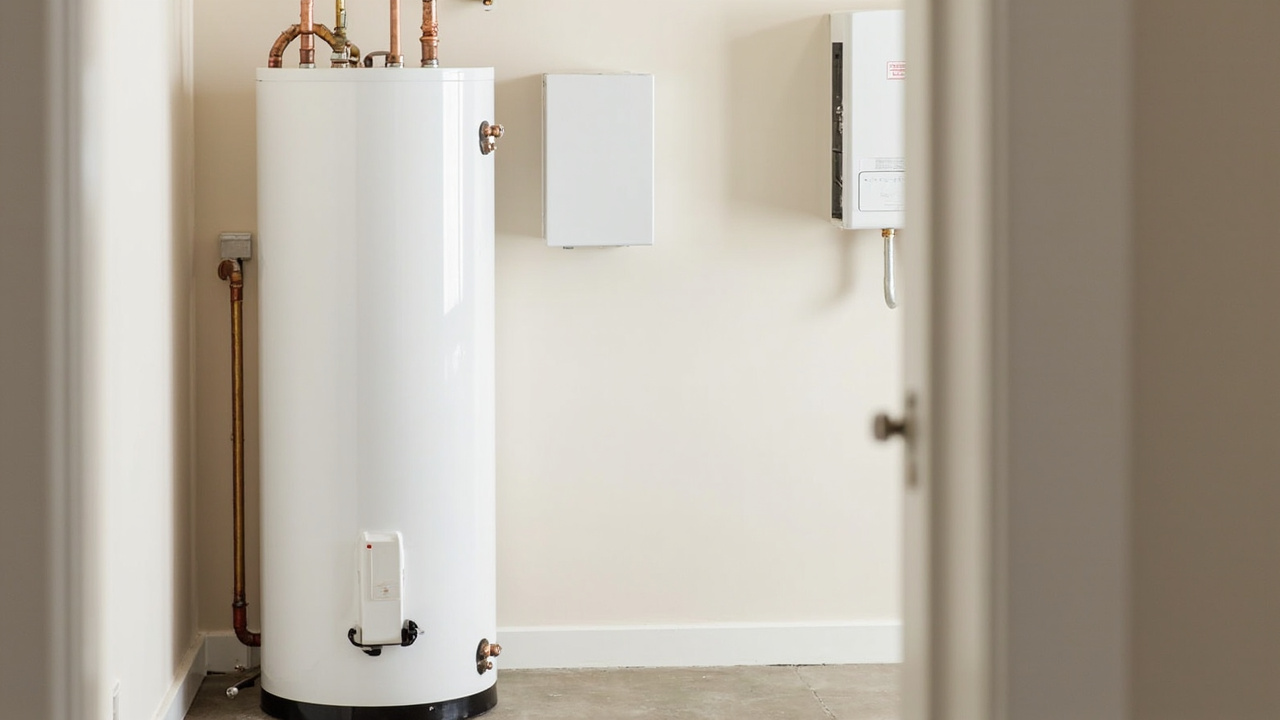
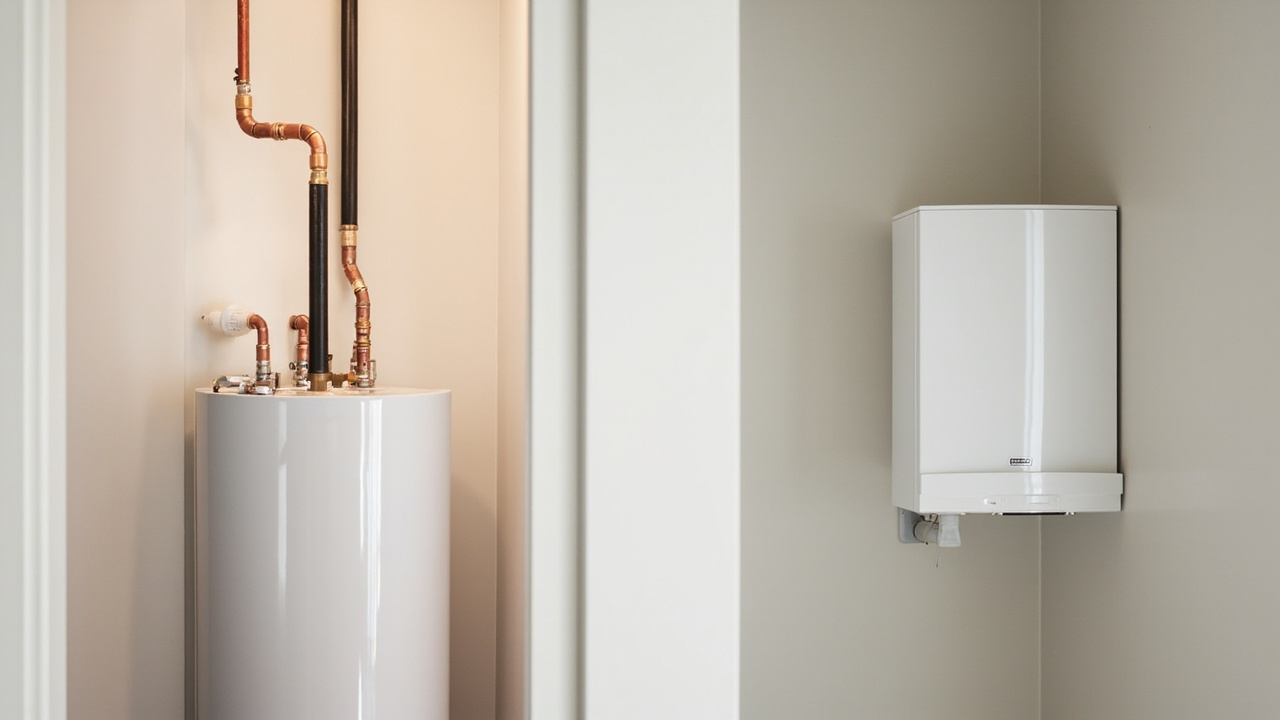
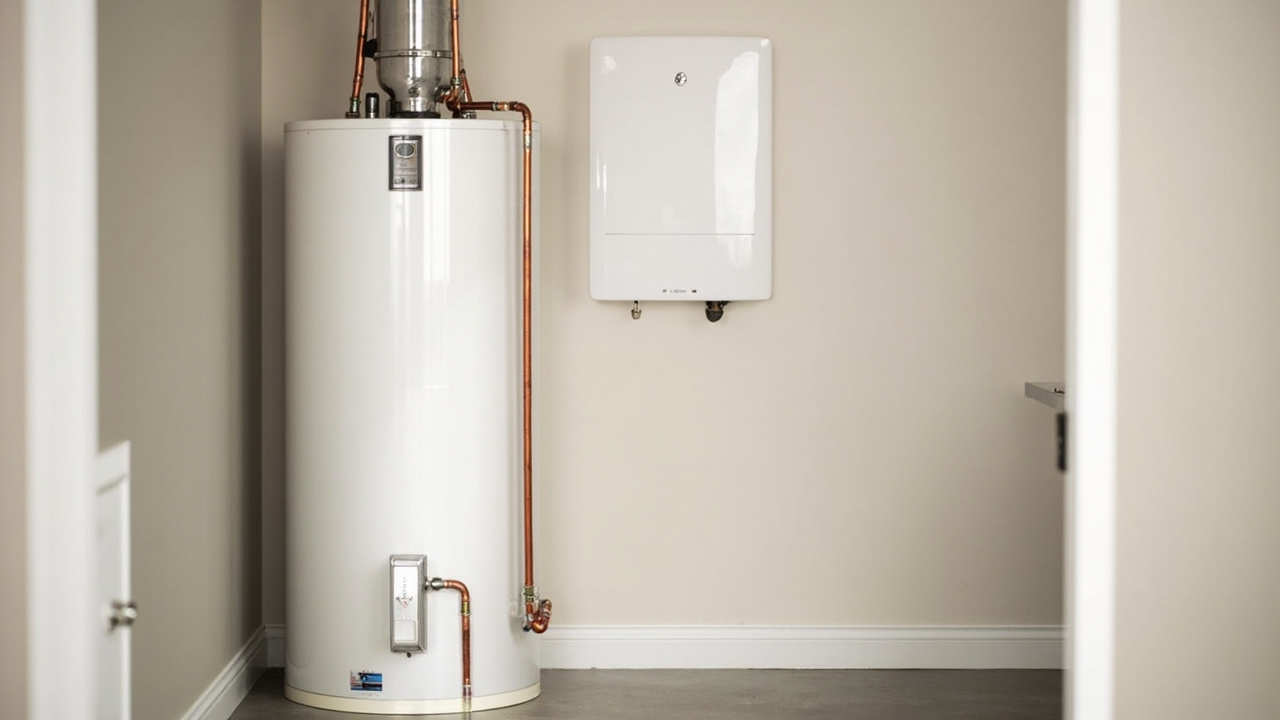
Storage water heaters maintain 30 to 80 gallons of heated water in an insulated tank. The thermostat triggers the gas burner or electric heating elements when the water temperature drops below your setpoint, typically 120 to 140 degrees. This creates standby heat loss as the stored water cools between uses, but it guarantees instant hot water availability at multiple fixtures simultaneously. Tank systems handle high flow rates easily because the stored volume acts as a thermal battery.

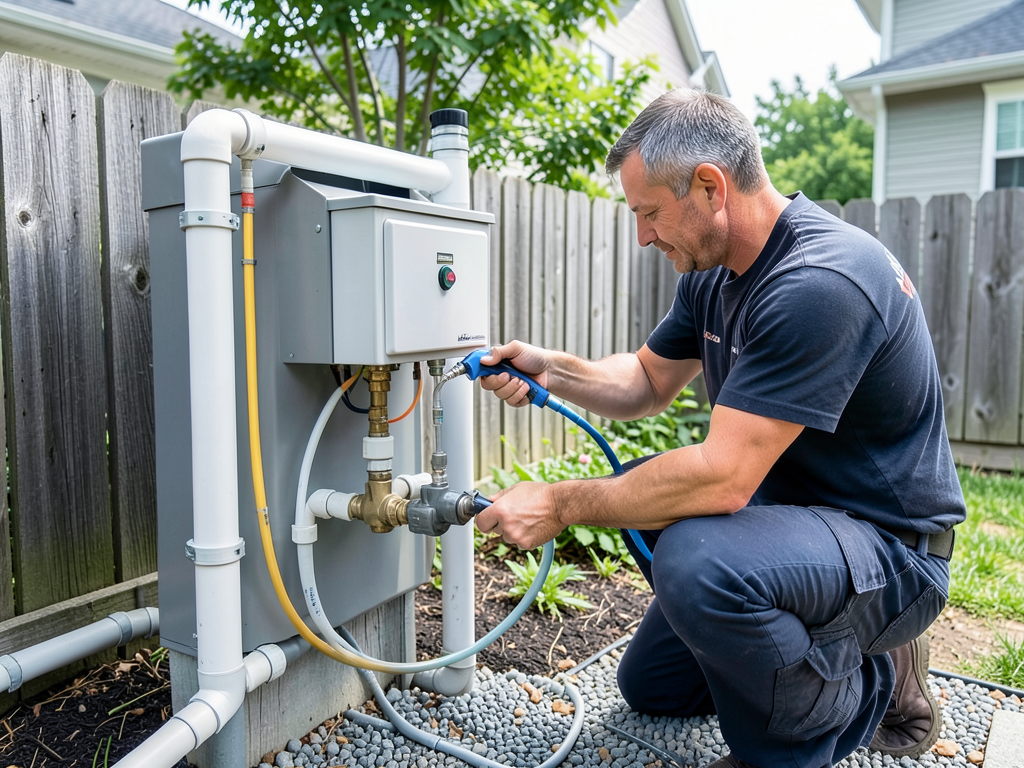
On-demand water heaters eliminate the storage tank entirely. When you open a hot water tap, cold water flows through a heat exchanger where gas burners or electric coils heat the water to your desired temperature in real time. Tankless units avoid standby losses but require significant energy input to heat water quickly. A whole-house gas tankless unit pulls 150,000 to 200,000 BTUs compared to 40,000 BTUs for a standard tank heater. This demands upgraded gas lines, often requiring a jump from half-inch to three-quarter-inch piping throughout the run.

The instantaneous heating process creates flow rate limitations. A tankless unit rated at 8 gallons per minute delivers that flow only when raising the inlet water temperature by a specific amount. In Virginia Beach, with 58-degree winter inlet temperatures, that same 8 GPM unit might only deliver 5 GPM when heating to 120 degrees. Run a shower and dishwasher simultaneously, and you'll notice temperature fluctuations. Liberty Plumbing Virginia Beach sizes both tank and tankless systems based on actual fixture counts and simultaneous usage patterns, not just household size.

What to Expect When Evaluating Water Heater Options

Tank vs. Tankless Water Heaters in Virginia Beach – Make the Right Choice for Your Home's Hot Water Needs
01

Usage Assessment

We calculate your actual hot water demand by counting fixtures, identifying peak usage times, and measuring your current recovery rate. This includes tracking shower duration, appliance cycles, and simultaneous fixture use during morning and evening rushes. We also test your inlet water temperature and measure your existing gas line diameter or electrical panel capacity to determine infrastructure requirements for each system type.
02

System Comparison

We present side-by-side operating cost projections based on your actual usage, current utility rates, and equipment efficiency ratings. This includes installation costs, required upgrades, maintenance expenses, and projected lifespan for both options. We explain how hard water affects each system differently and factor in the coastal environment's impact on equipment longevity. You receive transparent information about flow rate limitations, recovery times, and real-world performance expectations.
03

Installation Planning

Once you select your system, we schedule a permit-compliant installation that meets Virginia Beach building codes. For tankless conversions, we coordinate electrical panel upgrades or gas line modifications before equipment installation. We handle venting modifications, condensate drainage for high-efficiency units, and proper clearances from combustible materials. You receive operation training and maintenance guidelines specific to your chosen system and local water conditions.

Why Liberty Plumbing Virginia Beach Gives You Unbiased Water Heater Guidance

We install both tank and tankless systems weekly across Virginia Beach, from Lynnhaven to Red Mill. This balanced experience means we have no incentive to push you toward the higher-markup option. Too many plumbers favor tankless installations because they generate larger invoices, even when a quality storage tank better fits the home's needs and budget. We profit when you get the right system, stay satisfied, and refer your neighbors.

Our technicians understand how Virginia Beach's municipal water chemistry affects both system types. The moderate hardness level requires different maintenance approaches for heat exchangers versus anode rods. We factor in the salt air's corrosive effects on outdoor installations and recommend appropriate venting materials for coastal exposure. This local knowledge prevents premature failures that plague homeowners who install equipment without considering environmental factors.

We size systems based on Virginia Beach's actual climate data, not manufacturer charts designed for national averages. Your inlet water temperature stays warmer than northern states but cooler than the Deep South. This affects both the recovery rate calculations for tank systems and the temperature rise requirements for tankless units. We also navigate the city's permitting process efficiently because we submit multiple water heater permits monthly. This familiarity speeds approvals and prevents the code violation corrections that delay projects when inexperienced contractors miss local requirements.

Most importantly, we explain the maintenance commitment each system demands. Tankless units require annual descaling in our hard water area, while tank systems need anode rod inspections every three years. We provide honest timelines for both options so you make an informed choice.

What the Water Heater Selection Process Looks Like

Consultation Timeline

Your initial consultation takes 45 to 60 minutes as we assess your home's infrastructure and usage patterns. We schedule evaluations within 24 to 48 hours of your call. You receive a detailed comparison report within two business days showing projected costs, required upgrades, and performance expectations for both tank and tankless options. Once you decide, we typically schedule installations within five to seven days, though emergency replacements can happen within 24 hours if your current heater fails completely.

Infrastructure Evaluation

We inspect your gas line diameter, measure your electrical panel's available capacity, and assess your venting configuration. This determines whether your home can support a tankless installation without major upgrades or if a high-efficiency storage tank makes more financial sense. We test your water pressure, measure inlet temperature at different times of day, and review your utility bills to calculate actual energy consumption. You learn exactly what modifications each system requires before making a financial commitment.

Performance Guarantees

Proper sizing eliminates the most common complaints with both system types. You will not experience the temperature fluctuations that plague undersized tankless installations or the mid-shower cold water that signals inadequate tank capacity. We install expansion tanks, pressure relief valves, and proper combustion air supplies according to manufacturer specifications and local codes. Your system will deliver consistent hot water at the flow rates and temperatures we specify during the consultation. If it does not, we return to diagnose and correct the issue.

Maintenance Planning

Tankless systems need annual descaling and burner cleaning to maintain efficiency in Virginia Beach's mineral-laden water. We provide written maintenance schedules and offer annual service contracts that include these procedures. Storage tank systems require anode rod inspection every three years and tank flushing every 12 to 18 months to remove sediment buildup. We explain how to perform basic maintenance yourself or schedule it through our service department. Proper maintenance extends equipment life by 40 to 60 percent regardless of which system you choose.

Frequently Asked Questions

You Have Questions,
We Have Answers

What is better, a tankless water heater or a tank? +

Neither option is universally better. It depends on your household needs in Virginia Beach. Tankless heaters provide endless hot water on demand and save space, making them ideal for smaller homes or families with high usage. Tank heaters cost less upfront and handle simultaneous demand better, which works well for larger households. Consider your hot water usage patterns, available space, and budget. Virginia Beach's hard water can affect both types, but tankless units require more frequent descaling. A licensed plumber can assess your home's electrical capacity or gas line requirements to recommend the right fit.

What is the downside of a tankless water heater? +

Tankless water heaters have higher upfront costs, sometimes double or triple a tank unit. Installation is complex and may require electrical panel upgrades or gas line modifications, particularly in older Virginia Beach homes. They struggle with simultaneous demand. Running multiple showers, dishwasher, and laundry at once can exceed flow rate capacity. Hard water in Virginia Beach accelerates mineral buildup, requiring annual descaling maintenance you cannot skip. Cold weather can reduce efficiency slightly. If your home loses power during coastal storms, you lose hot water immediately, unlike tank heaters that retain heated water temporarily.

Why do plumbers not recommend tankless water heaters? +

Many plumbers do recommend tankless heaters when appropriate. Skepticism comes from installation complexity and service call frequency. Tankless units require precise installation with proper venting, gas pressure adjustments, and electrical work. Mistakes lead to callbacks. Virginia Beach's hard water causes scale buildup, generating more maintenance calls. Some homeowners skip annual flushing, leading to premature failure and warranty disputes. Traditional tank heaters are straightforward to install and service. Plumbers familiar with tankless technology and willing to educate homeowners about maintenance requirements typically recommend them. Ask your plumber about their specific experience with tankless installations.

Are tank water heaters being phased out? +

No, tank water heaters are not being phased out. They remain the most common residential water heating option in Virginia Beach and nationwide. New efficiency standards have improved tank models, making them more competitive. Some municipalities encourage high-efficiency options through rebates, but no federal or state mandate eliminates tank heaters. The market offers both technologies because different homes need different solutions. Tank heaters continue evolving with better insulation and smart features. You can choose either type based on your needs. Replacement parts and service remain widely available for traditional tank water heaters throughout Virginia Beach.

Can I replace my 40 gallon water heater with a tankless water heater? +

Yes, but installation is not simple. A tankless unit can replace your 40-gallon tank, but your Virginia Beach home may need upgrades. Tankless heaters require significant electrical capacity (up to 150 amps for whole-house electric models) or larger gas lines with proper venting. Most older homes need panel upgrades or gas line modifications. You must calculate peak hot water demand to size the unit correctly. Multiple bathrooms running simultaneously need higher flow rates. A licensed plumber should evaluate your electrical service, gas supply, and usage patterns before converting. Permits and inspections are required for proper installation.

Why don't contractors like heat pumps? +

This question confuses heat pump water heaters with tankless units. Heat pump water heaters use ambient air to heat water efficiently but require specific conditions. They need warm spaces (above 40 degrees) with adequate airflow, limiting installation locations in Virginia Beach homes. They are noisy and expensive upfront. Some contractors lack installation experience or worry about callback complaints regarding noise or performance in unsuitable spaces. Heat pumps work well in garages or basements with proper conditions. Contractors who understand the technology and set correct expectations do recommend them for energy savings when conditions allow proper operation.

What is the most common problem with tankless water heaters? +

Mineral buildup from hard water is the most common problem. Virginia Beach's water supply contains calcium and magnesium that accumulate inside the heat exchanger, reducing efficiency and flow rate. This scaling blocks pipes and damages heating elements if ignored. Annual descaling with vinegar or commercial solutions is mandatory maintenance. Ignition failure ranks second, often caused by gas pressure issues or dirty flame sensors. Flow rate problems occur when demand exceeds unit capacity during peak usage. Cold water sandwich effect frustrates homeowners when hot water briefly turns cold between uses. Proper sizing and regular maintenance prevent most problems.

Can you run out of hot water with a tankless water heater? +

No, tankless water heaters provide continuous hot water as long as demand stays within the unit's flow rate capacity. You cannot deplete a tankless heater like draining a tank. However, you can exceed its heating capacity. If you run three showers, a dishwasher, and laundry simultaneously, the unit cannot heat water fast enough, causing lukewarm output. This is not running out but exceeding capacity. Virginia Beach households with high simultaneous demand need properly sized units or multiple tankless heaters. A single person showering can stay in as long as desired without temperature drop. Calculate your peak demand before choosing unit size.

How much does your electric bill go up with a tankless water heater? +

Electric tankless heaters typically increase bills despite efficiency claims. They use intense bursts of electricity when heating, potentially raising costs 10 to 20 percent depending on usage patterns and Virginia Beach Dominion Energy rates. Gas tankless models usually reduce bills because they eliminate standby heat loss from keeping a tank hot constantly. Actual savings depend on your family size, usage habits, and current tank efficiency. Well-insulated newer tank heaters narrow the efficiency gap. Electric tankless units may push you into higher rate tiers during peak usage. Gas models offer better operating cost savings for most Virginia Beach homes.

Is there an IRS tax credit for a tankless water heater? +

Tankless water heaters may qualify for federal tax credits under the Energy Efficient Home Improvement Credit if they meet efficiency requirements. As of 2024, qualifying units can receive up to 30 percent of cost with annual limits. The unit must have a Uniform Energy Factor of 0.95 or greater (gas) or 2.0 or greater (electric). Check IRS Form 5695 for current year requirements and limits. Virginia Beach residents may also qualify for Dominion Energy rebates on efficient models. Consult a tax professional for your specific situation. Keep all receipts and manufacturer certifications documenting efficiency ratings for filing.

How Virginia Beach's Coastal Water Conditions Affect Tank and Tankless Water Heater Performance

Virginia Beach receives municipal water from the regional treatment system that serves the Hampton Roads area. The water contains moderate mineral levels that create scale buildup in both storage tanks and tankless heat exchangers. The coastal aquifer that supplies some neighborhoods contains higher sodium levels that accelerate corrosion in steel tanks. These local water chemistry factors affect maintenance intervals and equipment lifespan for both conventional and on-demand systems. Tankless units need more frequent descaling here than in soft water regions, while storage tanks benefit from powered anode rods that combat the accelerated corrosion from salt content.

Liberty Plumbing Virginia Beach maintains relationships with local building inspectors who review our permit applications regularly. This familiarity ensures smooth approval processes and prevents the installation delays that occur when contractors submit incomplete applications. We understand the specific venting requirements for different neighborhoods, including older areas where homes lack adequate combustion air supplies for high-BTU tankless units. Our technicians recognize when existing gas lines need upgrading to support on-demand heaters and when electrical panels require subpanel additions for electric tankless installations. This local expertise prevents the mid-project surprises that turn straightforward installations into multi-week ordeals.
Plumbing Services in The Virginia Beach Area

While our expert technicians are always on the move, serving every corner of the community, you can use the map below to confirm our central location and service radius. We are proud to be a dedicated local business, committed to providing prompt, professional service wherever you are within the greater Virginia Beach area. We look forward to receiving your call and demonstrating our trustworthy service firsthand.

Address:
Liberty Plumbing Virginia Beach, 780 Lynnhaven Pkwy, Virginia Beach, VA, 23452

Additional Services We Offer

Our news updates

Latest Articles & News from The Blogs

Why Your Large Colonial Home in Great Neck Takes Forever to Get Hot Water Living in a spacious Great Neck…

Why Your Large Colonial Home in Great Neck Takes Forever to Get Hot Water

Why Your Large Colonial Home in Great Neck Takes Forever to Get Hot Water Living in a spacious Great Neck…

The Hidden Dangers of Mold Growth Under Sinks in Humid London Bridge Neighborhoods

The Hidden Dangers of Mold Growth Under Sinks in Humid London Bridge Neighborhoods Virginia Beach's coastal humidity creates the perfect…

How to Install an Outdoor Pet Wash Station for Your Active North End Beach Dog

How to Install an Outdoor Pet Wash Station for Your Active North End Beach Dog Installing an outdoor pet wash…

Contact Us

Stop guessing which system fits your home. Call Liberty Plumbing Virginia Beach at (948) 207-0600 for an honest evaluation. We provide transparent comparisons based on your actual usage, infrastructure, and budget.