
menu

How to Prevent Frozen Pipes in Virginia Beach – Expert Winterization Strategies That Stop Costly Burst Pipe Disasters

Virginia Beach winters bring freezing temperatures that threaten your plumbing. Learn proven frozen pipe prevention tips and winterizing techniques that protect your home's water supply system from catastrophic freeze damage.

Slider Image 1
Slider Image 2
Slider Image 3
Slider Image 4
Slider Image 5
Slider Image 7
Slider Image 8
Slider Image 9
Slider Image 10
Slider Image 11

Why Virginia Beach Homes Face Serious Frozen Pipe Risks

Virginia Beach sits in a coastal climate zone where winter temperatures can plunge unexpectedly. The combination of our moderate climate and sudden cold snaps creates a dangerous situation. Homeowners often lack proper insulation in crawl spaces and exterior walls because the region doesn't experience sustained freezing conditions every year.

When temperatures drop below 20 degrees Fahrenheit, water inside pipes expands as it freezes. This expansion creates pressure that can reach thousands of pounds per square inch. Even a small crack can spray hundreds of gallons into your home, destroying drywall, flooring, and personal belongings.

Older homes in the North End and Oceanfront neighborhoods face elevated risks. Many were built when building codes didn't require the same level of pipe insulation we see today. Homes on pier and beam foundations are vulnerable because crawl spaces expose pipes to cold air moving off the Atlantic.

Keeping water pipes from freezing requires understanding where your vulnerable points exist. Exterior walls facing north or east get less sun exposure. Pipes running through unheated garages, attics, and crawl spaces freeze first. Kitchen and bathroom fixtures on outside walls lose heat faster than interior plumbing.

The threat window in Virginia Beach typically runs from mid-December through February. A single night below freezing can cause damage if you haven't taken preventive steps. Protecting pipes from freezing isn't optional in our climate zone. It's necessary maintenance that saves you from five-figure repair bills and insurance claims that spike your premiums.

Why Virginia Beach Homes Face Serious Frozen Pipe Risks
The Professional Approach to Winterizing Plumbing Pipes

The Professional Approach to Winterizing Plumbing Pipes

Stopping pipes from freezing starts with a systematic inspection of your entire water supply system. Professional plumbers identify vulnerable sections that homeowners typically miss. We check supply lines running through unconditioned spaces, assess insulation quality, and measure ambient temperatures in crawl spaces during cold weather.

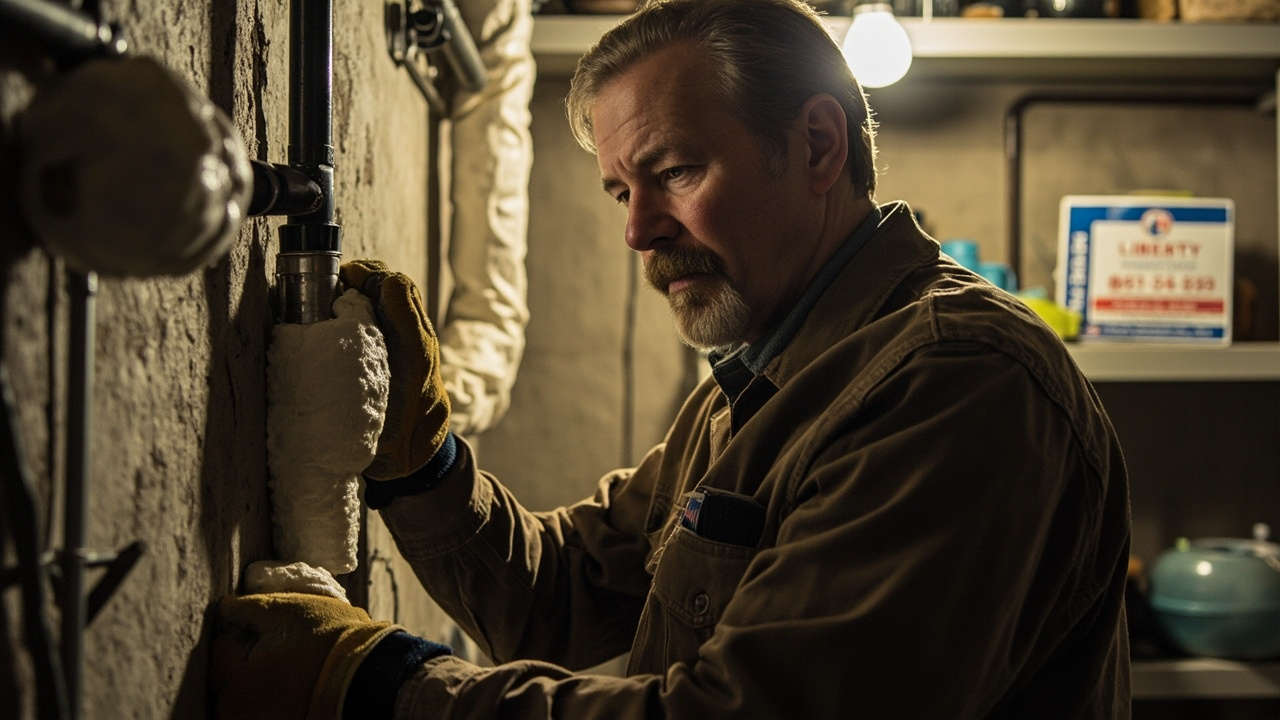
Pipe insulation comes in multiple forms. Foam sleeves provide basic protection for pipes in semi-conditioned spaces. Fiberglass wrap with a vapor barrier works better in crawl spaces where moisture accumulates. Heat tape with a thermostat control offers active protection for problem areas where passive insulation isn't enough.

The technique matters as much as the material. Gaps in insulation create cold spots where freezing occurs. Every joint, elbow, and valve needs complete coverage. We seal the insulation seams with foil tape to prevent air infiltration. Heat tape must spiral around the pipe with proper spacing. Too tight and it creates hot spots that damage pipes. Too loose and it leaves unprotected sections.

Protecting pipes from freezing also means addressing air leaks in your building envelope. Cold air entering through rim joists, foundation vents, and wall penetrations drops the temperature around your plumbing. We seal these entry points with spray foam or caulk to maintain warmer conditions in pipe chases and crawl spaces.

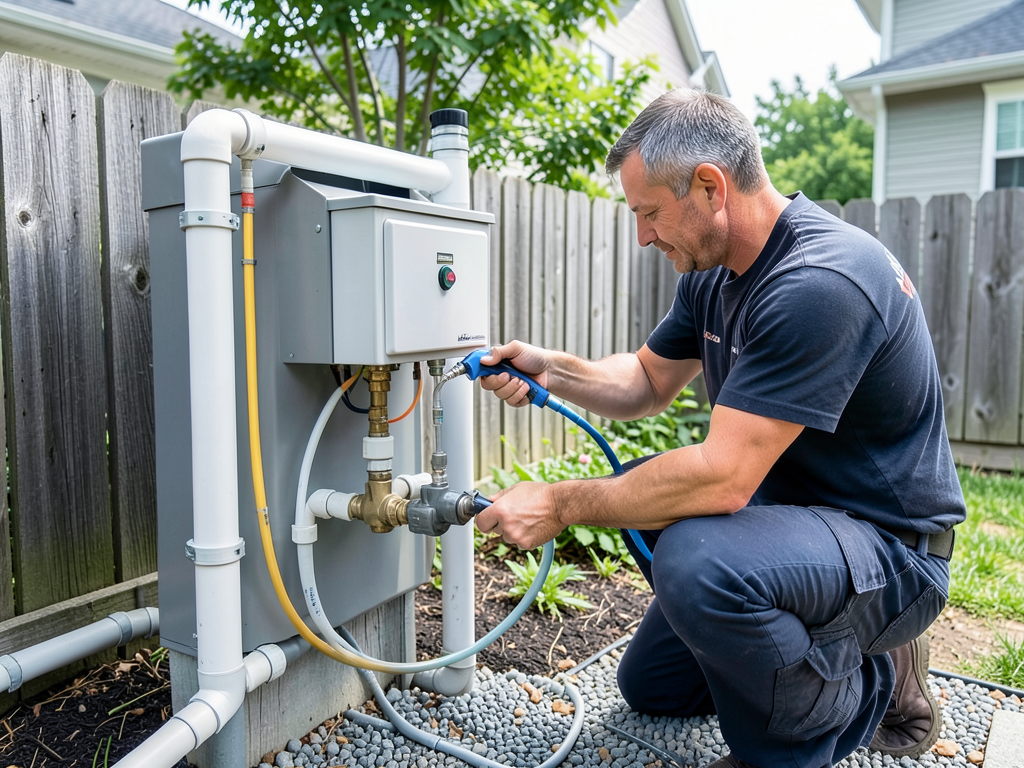
Exterior hose bibs require special attention. These fixtures extend through your exterior wall with minimal protection. We install frost-proof sillcocks that place the shut-off valve inside your heated space. The valve stem slopes downward so water drains out after you close the valve. Without this design, water trapped in the fixture body will freeze and crack the housing.

Frozen pipe prevention tips from professionals always include maintaining consistent thermostat settings. Dropping your heat at night to save money can cost you thousands in repairs. Keep your home at 55 degrees minimum, even when you travel.

Your Winter Pipe Protection Plan

How to Prevent Frozen Pipes in Virginia Beach – Expert Winterization Strategies That Stop Costly Burst Pipe Disasters
01

System Vulnerability Assessment

We start by mapping your entire water supply system and identifying every pipe section exposed to freezing conditions. This includes crawl space lines, attic runs, exterior wall penetrations, and unheated garage sections. We use thermal imaging cameras during cold weather to spot areas losing heat. Each vulnerable section gets documented with specific recommendations for insulation type, heat tape requirements, or air sealing work needed to protect that location.
02

Insulation Installation and Sealing

After assessment, we install appropriate insulation for each pipe section based on exposure level and ambient temperature. Supply lines get foam sleeves or fiberglass wrap with vapor barriers. We apply heat tape to problem areas with thermostat controls set to activate at 38 degrees. Every seam gets sealed with foil tape to eliminate gaps. Crawl space vents receive insulated covers for winter months. We seal rim joists and foundation penetrations to stop cold air infiltration around pipe chases.
03

Emergency Prevention Protocols

You receive a customized winter maintenance checklist specific to your home's plumbing layout. This includes cabinet door opening procedures for extreme cold nights, faucet drip instructions for sustained freezing temperatures, and main water shut-off locations in case a pipe does freeze. We show you how to drain exterior fixtures properly and where your most vulnerable sections are located so you can monitor them during cold snaps. You'll know exactly what to do when forecasts predict temperatures in the teens.

Why Local Virginia Beach Expertise Matters for Freeze Protection

Virginia Beach plumbing requires specialized knowledge of our coastal climate patterns. Our winters don't follow predictable patterns like northern states. We experience mild stretches interrupted by sudden arctic blasts that catch homeowners unprepared. Understanding this weather pattern determines how we approach winterizing plumbing pipes in this region.

Local building codes evolved over decades to address our specific freeze risks. Homes built before 1985 often lack adequate pipe insulation because sustained freezing wasn't considered a major threat. Renovations and additions may have used northern building techniques that don't match our climate needs. We understand which construction eras created the most vulnerable plumbing systems in Virginia Beach.

The soil conditions around Virginia Beach affect how we protect exterior supply lines. Sandy soil drains quickly but provides less insulation than clay. Homes near the waterfront face additional challenges from wind chill that pulls heat from exposed pipes faster than inland locations. We factor in your property's microclimate when recommending freeze protection measures.

Liberty Plumbing Virginia Beach has worked in every neighborhood from Pungo to Sandbridge. We've seen which pipe materials hold up best in our climate. We know which foundations types create the most freeze risk. We understand how salt air affects insulation materials and heat tape longevity in coastal properties.

Our experience includes emergency response during every major freeze event in the past decade. We've seen the damage patterns that occur when pipes aren't properly protected. That experience informs how we approach prevention work. We know where pipes freeze first in different home designs. We understand which quick fixes homeowners attempt that create bigger problems.

Choosing a local plumber means working with someone who has protected hundreds of Virginia Beach homes through hard freezes. We don't use a generic approach copied from northern climates. We apply strategies proven to work in our specific conditions.

What You Get with Professional Freeze Prevention Service

Rapid Pre-Winter Service Scheduling

We schedule winterization work from October through early December before the first hard freeze arrives. Most homes require two to four hours for complete pipe insulation and protection measures. We work efficiently to minimize disruption while ensuring thorough coverage of every vulnerable section. Emergency pre-freeze services are available when forecasts predict sudden temperature drops. You can reach us seven days a week during fall and winter months to schedule protection work before cold weather arrives. We prioritize homes with previous freeze damage or construction types we know face elevated risks.

Comprehensive Pipe System Analysis

Your service begins with a detailed inspection of your entire water supply system. We access crawl spaces, attics, and exterior walls to locate every pipe section. We document existing insulation conditions and identify gaps in protection. Thermal imaging reveals heat loss patterns around plumbing penetrations. We test exterior fixtures for proper drainage and frost-proof design. You receive a written assessment listing every vulnerable location with specific recommendations for protection measures. We explain why each area needs attention and what happens if you skip that protection. This analysis gives you complete visibility into your freeze risk profile.

Complete Protection Installation

We install professional-grade insulation materials designed for our climate conditions. Supply lines get proper foam or fiberglass coverage with no gaps or exposed sections. Heat tape installation includes thermostat controls and proper spacing to prevent hot spots. We seal air leaks around pipe penetrations with spray foam or caulk. Crawl space vents receive insulated covers that maintain warmer conditions without creating moisture problems. Exterior fixtures get upgraded to frost-proof designs when needed. Every installation meets or exceeds current building code requirements. You get the same level of protection we install in our own homes.

Winter Monitoring and Emergency Support

Your winterization service includes a customized emergency protocol sheet specific to your home. We show you how to activate protective measures during extreme cold warnings. You get our emergency contact information for 24/7 access during freeze events. We follow up after major cold snaps to verify your system performed as expected. Any issues with insulation or heat tape get addressed immediately at no additional charge during the first winter season. We also provide spring inspection service to remove crawl space vent covers and verify your system is ready for warm weather. This ongoing support ensures your investment in freeze protection delivers results year after year.

Frequently Asked Questions

You Have Questions,
We Have Answers

How do I stop my pipes from freezing? +

Stop pipes from freezing by insulating exposed lines in crawl spaces, attics, and exterior walls. Seal air leaks around pipes where cold air enters. During Virginia Beach cold snaps, open cabinet doors under sinks to let warm air circulate. Disconnect garden hoses and drain outdoor spigots before winter. Let faucets drip when temperatures drop below 32 degrees. Keep your thermostat at 55 degrees minimum, even when away. Install pipe sleeves or heat tape on vulnerable sections. These steps protect your plumbing during the occasional hard freeze Virginia Beach experiences, especially in unheated spaces near the coast.

Do all faucets need to drip to prevent freezing? +

Not all faucets need to drip. Focus on faucets fed by pipes running through unheated areas like crawl spaces, attics, or exterior walls. In Virginia Beach homes, pipes along north-facing walls or in older properties without proper insulation face the highest risk. Let both hot and cold taps drip from these vulnerable locations. A steady drip, about five drops per minute, keeps water moving and prevents ice formation. Interior pipes surrounded by conditioned space rarely need this protection. Save water by targeting only exposed or poorly insulated lines during freeze warnings.

At what temperature will pipes freeze? +

Pipes begin freezing when temperatures drop to 20 degrees or below for several hours. Virginia Beach typically stays above this threshold, but occasional Arctic fronts push temperatures into the teens. Your pipes face greater risk when wind chill drops or when they sit in unheated spaces like crawl spaces and attics. Exterior walls, especially north-facing ones, create cold spots. The freeze point varies based on insulation quality, wind exposure, and how long cold persists. Even brief drops to 20 degrees can cause problems in poorly insulated homes common in coastal areas.

How much water should I run to keep pipes from freezing? +

Run water at a pencil-lead thickness or about five drops per minute. This slight flow prevents standing water from freezing in vulnerable pipes. You need just enough movement to keep water molecules shifting. A full stream wastes water and money. In Virginia Beach, where freezes are brief, this minimal flow protects pipes during overnight lows. Turn on both hot and cold taps if you have separate supply lines. The small water cost beats repair bills from burst pipes. Focus this protection on faucets connected to exposed plumbing in unheated spaces or exterior walls.

How Virginia Beach's Coastal Freeze Cycles Make Pipe Protection Critical

Virginia Beach experiences unique freeze patterns that create deceptive risk levels. Our proximity to the Atlantic Ocean moderates winter temperatures, but arctic air masses occasionally push temperatures into the teens for 24 to 48 hours. These rapid temperature swings catch homeowners off guard. Pipes that survived previous mild winters suddenly freeze when conditions align. The sandy soil common throughout the region provides poor insulation for underground supply lines compared to clay soils found inland. Wind chill from coastal storms accelerates heat loss from exterior walls and crawl spaces. Homes in Chesapeake Bay watershed areas face additional humidity that creates frost buildup in pipe insulation, reducing its effectiveness during sustained cold periods.

Virginia Beach building codes have evolved significantly over the past 40 years as freeze damage data accumulated. Modern construction requires proper pipe insulation in unconditioned spaces, but thousands of older homes lack these protections. Local plumbers who understand this building history know which neighborhoods and construction eras face the highest risk. We work closely with insurance adjusters and property managers who have seen the damage patterns from previous freeze events. That local network provides insights you won't get from national chain services or general handymen attempting plumbing work. Our familiarity with Virginia Beach's specific construction practices, soil conditions, and weather patterns allows us to recommend protection measures that match your actual risk level rather than applying generic solutions.
Plumbing Services in The Virginia Beach Area

While our expert technicians are always on the move, serving every corner of the community, you can use the map below to confirm our central location and service radius. We are proud to be a dedicated local business, committed to providing prompt, professional service wherever you are within the greater Virginia Beach area. We look forward to receiving your call and demonstrating our trustworthy service firsthand.

Address:
Liberty Plumbing Virginia Beach, 780 Lynnhaven Pkwy, Virginia Beach, VA, 23452

Additional Services We Offer

Our news updates

Latest Articles & News from The Blogs

Why Your Large Colonial Home in Great Neck Takes Forever to Get Hot Water Living in a spacious Great Neck…

Why Your Large Colonial Home in Great Neck Takes Forever to Get Hot Water

Why Your Large Colonial Home in Great Neck Takes Forever to Get Hot Water Living in a spacious Great Neck…

The Hidden Dangers of Mold Growth Under Sinks in Humid London Bridge Neighborhoods

The Hidden Dangers of Mold Growth Under Sinks in Humid London Bridge Neighborhoods Virginia Beach's coastal humidity creates the perfect…

How to Install an Outdoor Pet Wash Station for Your Active North End Beach Dog

How to Install an Outdoor Pet Wash Station for Your Active North End Beach Dog Installing an outdoor pet wash…

Contact Us

Don't wait for a hard freeze warning to take action. Call Liberty Plumbing Virginia Beach at (948) 207-0600 right now to schedule your pipe winterization service. We'll protect your plumbing system before cold weather causes expensive damage.