
Keep your Chic’s Beach basement dry with a new sump pump installation
Living near the Chesapeake Bay means your Chic’s Beach home faces unique water challenges. High water tables, sandy soil, and coastal storm surges create perfect conditions for basement flooding. A properly installed sump pump system is your first line of defense against water damage that can destroy floors, walls, and personal belongings.
The Shore Drive area experiences groundwater levels that fluctuate with tidal patterns and seasonal rainfall. When heavy rains hit or storm surges push inland, water seeks the path of least resistance. Without a reliable sump pump, that path leads straight to your basement floor.
Modern sump pump systems do more than just remove water. They protect your home’s foundation, prevent mold growth, and maintain indoor air quality. For Chic’s Beach residents, this protection is not optional—it’s essential for preserving property value and ensuring family safety during Virginia’s storm season. Virginia Uniform Statewide Building Code.
Why Chic’s Beach homes require specialized sump pump solutions
Coastal Virginia Beach properties face distinct challenges that inland homes never encounter. The combination of high water tables and sandy soil creates a constant battle against groundwater infiltration. Water moves through sand much faster than through clay, meaning your basement can flood from below even when surface drainage appears adequate.
The Chesapeake Bay’s influence extends miles inland. During full moon cycles and king tides, groundwater levels rise significantly. Add a heavy rainstorm to this scenario and you have conditions ripe for basement flooding. Many Shore Drive homes sit just feet above sea level, making them particularly vulnerable to tidal influences.
Sandy soil also creates unique filtration problems. Fine particles can clog traditional sump pump intake screens, reducing efficiency and causing premature failure. The corrosive salt air accelerates metal component degradation, requiring pumps built with marine-grade materials that can withstand constant exposure to moisture and salt.
Virginia Beach building codes recognize these coastal challenges. The Virginia Uniform Statewide Building Code (USBC) Section 404.1.4 requires specific drainage provisions for properties in flood-prone areas. These regulations ensure proper pit construction, discharge line routing, and backup power systems for coastal installations.
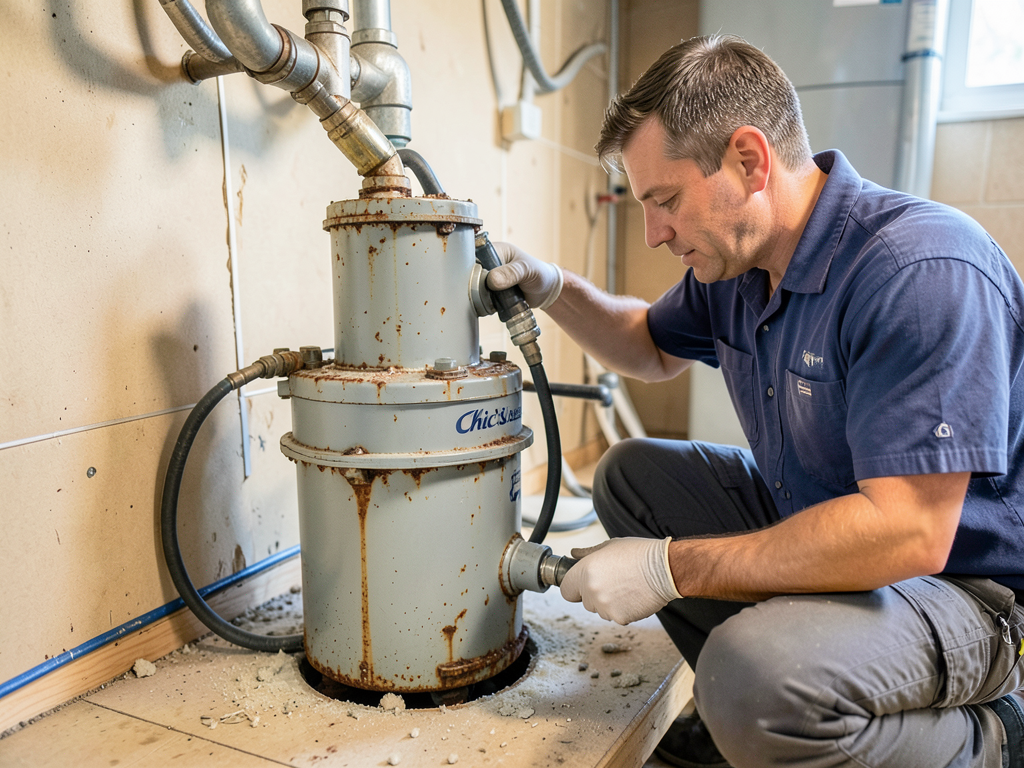
A technician installs a marine-grade submersible sump pump in a Chic’s Beach basement, showing the corrosion-resistant housing and sealed electrical connections designed for coastal environments.
Our coastal-grade sump pump options
Choosing the right pump for your Chic’s Beach home means understanding the differences between available technologies. Submersible pumps operate underwater in your sump pit, offering quiet operation and superior cooling. Pedestal pumps keep the motor above water but may struggle with the constant humidity and salt air exposure common in coastal basements.
Submersible pumps provide several advantages for coastal installations. The water surrounding the motor acts as a natural coolant, allowing continuous operation during extended flooding events. Sealed housings prevent moisture intrusion, while the lower profile fits easily in narrow crawl spaces typical of Shore Drive area homes.
Pedestal pumps work well for occasional water removal but face challenges in coastal environments. The exposed motor and shaft assembly are vulnerable to corrosion from salt air. Vibration from the motor can loosen mounting hardware over time, potentially causing misalignment and reduced efficiency.
Material selection becomes critical when choosing a coastal pump. Stainless steel housings resist corrosion better than standard cast iron. Thermoplastic components withstand the constant moisture without rusting. Bronze impeller shafts provide durability against sand particles that inevitably enter the sump pit through groundwater infiltration.
Flow rate requirements for Chic’s Beach homes typically exceed standard recommendations. A 1,500 square foot basement in this area needs a pump capable of moving 2,400 gallons per hour during peak conditions. This capacity ensures your system can handle both groundwater infiltration and surface water intrusion during major storm events.
Submersible vs Pedestal Pump Comparison
| Pump Type | Best For | Coastal Durability | Noise Level |
|---|---|---|---|
| Submersible | Continuous use, crawl spaces | Excellent | Very quiet |
| Pedestal | Occasional use, open basements | Fair | Moderate |
| Water-powered | Backup only, no electricity | Good | Very quiet |
| Battery backup | Emergency power loss | Excellent | Very quiet |
Battery backup systems: A necessity for hurricane season
Virginia Beach experiences an average of 44 inches of rainfall annually, with hurricane season bringing the heaviest precipitation. During these storms, power outages are common as high winds and falling trees damage electrical infrastructure. A battery backup system ensures your sump pump continues operating when you need it most.
Battery backup systems consist of a secondary pump, deep-cycle marine battery, and control unit that monitors primary pump operation. When the primary pump fails or power is lost, the backup system activates automatically. These systems typically provide 24-48 hours of continuous operation depending on battery capacity and water volume.
Modern backup systems include smart monitoring features that alert you via smartphone when the backup activates or battery levels drop. This technology provides peace of mind during vacation periods or when you’re away from home during storm events. Some systems can even send diagnostic information to service providers for proactive maintenance.
Installation considerations for backup systems include proper battery ventilation and temperature control. Lead-acid batteries release hydrogen gas during charging, requiring adequate airflow to prevent dangerous gas accumulation. Coastal homes benefit from temperature-controlled enclosures that protect batteries from extreme heat and humidity.
Maintenance requirements for backup systems are minimal but critical. Batteries need replacement every 3-5 years depending on usage patterns. Control units require periodic testing to ensure proper activation. The backup pump itself should be exercised monthly to prevent seal deterioration and ensure smooth operation when needed.
Cost factors for backup systems vary based on capacity and features. Basic systems start around $800 installed, while premium units with remote monitoring and extended battery life can exceed $2,500. Given the potential for thousands of dollars in water damage from a single flooding event, this investment provides significant financial protection.
The installation process: From pit digging to discharge
Professional sump pump installation follows a systematic process that ensures long-term reliability. The first step involves locating the lowest point in your basement or crawl space where water naturally collects. This strategic placement maximizes the system’s effectiveness and minimizes the need for additional drainage modifications.
Pit excavation requires careful consideration of soil conditions and groundwater levels. In Chic’s Beach, pits often extend 24-30 inches below the basement floor to accommodate seasonal water table fluctuations. The pit diameter typically ranges from 18-24 inches, providing adequate space for the pump and allowing sediment to settle below the intake level.
Basin liner installation creates a durable, cleanable container for your pump system. High-quality liners feature reinforced walls that prevent collapse under soil pressure. Perforated sides allow groundwater entry while keeping out larger debris that could damage the pump impeller. A sealed lid prevents debris entry and reduces pump noise.
Pump mounting requires precise leveling to ensure proper float switch operation. The float must move freely throughout its range without contacting pit walls or the discharge pipe. Incorrect mounting causes premature pump cycling or failure to activate during high water conditions, potentially resulting in flooding.
Discharge line routing follows strict guidelines to prevent backflow and ensure proper water removal. The pipe must slope continuously downward from the pump to the discharge point. Check valves prevent water from flowing back into the pit when the pump shuts off, reducing unnecessary cycling and extending pump life.
Electrical connections for sump pumps must comply with National Electrical Code Article 682, which covers swimming pool and fountain equipment. This includes proper grounding, GFCI protection, and weatherproof enclosures for outdoor connections. Coastal installations often require additional corrosion protection for all electrical components.
Installation Steps for Coastal Sump Pumps
- Site Assessment
Identify lowest drainage point and measure groundwater levels. Check for existing drainage issues and determine optimal pit location.
- Pit Excavation
Dig pit 24-30 inches deep, ensuring stable walls. Line with gravel base and install basin liner with reinforced walls.
- Pump Installation
Mount pump level in basin, connect discharge pipe with check valve, and test float switch operation.
- Electrical Setup
Install GFCI-protected circuit with proper grounding. Add battery backup system if required for coastal location.
- Testing and Commissioning
Fill basin with water, verify automatic activation, check for leaks, and confirm proper discharge flow.
Customer reviews from the 23455 zip code
Homeowners throughout the Chesapeake Beach area have experienced the benefits of professional sump pump installation. One Shore Drive resident reported their new system handled a 6-inch rainfall event without any basement water intrusion. The previous pump had failed during a similar storm, causing $8,000 in damage to flooring and drywall.
A homeowner in the First Landing State Park area shared their experience with hurricane season flooding. Their battery backup system activated automatically when Hurricane Matthew knocked out power for 36 hours. The system kept their finished basement dry throughout the outage, preventing what could have been catastrophic water damage.
Commercial property managers in the Virginia Beach area rely on properly sized systems for their buildings. A local office complex installed redundant pump systems after experiencing multiple failures during heavy rain events. The new setup includes primary and backup pumps with separate discharge lines, ensuring continuous operation even if one component fails. EPA septic and drainage guidelines.
Property value protection represents another significant benefit reported by local homeowners. Real estate agents note that homes with professionally installed sump pump systems command higher prices and sell faster than comparable properties without such protection. Buyers view these systems as valuable investments rather than optional upgrades.
Emergency response capabilities matter when systems fail. Local plumbing companies offer 24/7 emergency service for sump pump failures, with average response times under two hours for Chic’s Beach addresses. This rapid response prevents minor issues from escalating into major flooding events that could destroy personal belongings and structural components.
Maintenance programs help prevent unexpected failures. Annual service visits include pump testing, battery backup verification, and debris removal from the pit. These preventive measures identify potential problems before they cause system failure during critical weather events.
Maintaining your sump pump system
Regular maintenance extends the life of your sump pump and ensures reliable operation when needed. Monthly testing involves pouring water into the pit until the float activates the pump. This simple test verifies proper operation and identifies potential issues before they become emergencies.
Quarterly inspections should check for debris accumulation in the pit, verify discharge pipe integrity, and test the battery backup system if installed. Look for signs of corrosion on metal components, particularly in coastal environments where salt air accelerates deterioration. Clean the pump intake screen to prevent clogging from sand and sediment.
Annual professional maintenance provides comprehensive system evaluation. Technicians test pump performance under load conditions, measure amp draw to identify failing motors, and inspect all electrical connections for corrosion. They also verify proper check valve operation and test backup system functionality.
Common failure patterns in coastal areas include motor bearing wear from sand particles, float switch sticking from debris accumulation, and electrical connection corrosion. Early detection through regular maintenance prevents these issues from causing system failure during critical weather events.
Replacement timing depends on usage patterns and environmental conditions. Most sump pumps last 7-10 years in coastal environments, though heavy usage can reduce this lifespan. Signs of impending failure include increased noise during operation, longer run times, and visible rust or corrosion on metal components.
Upgrading considerations include energy efficiency improvements and smart technology integration. Modern pumps use variable-speed motors that adjust output based on water volume, reducing electricity consumption. Smart systems provide real-time monitoring and alert homeowners to potential issues before they cause flooding.
Emergency sump pump repair in Chic’s Beach
When your sump pump fails during a storm, every minute counts. Water can rise quickly in coastal basements, especially during high tide events combined with heavy rainfall. Emergency repair services understand the urgency and provide rapid response to minimize water damage.
Common emergency scenarios include power outages during storms, pump motor failure from age or debris, and float switch malfunction preventing automatic activation. Each situation requires different troubleshooting approaches, but all demand immediate attention to prevent basement flooding.
Temporary solutions during emergency repairs might include portable pumps, wet vacuums, or manual water removal methods. These stopgap measures buy time while technicians diagnose and repair the primary system. However, they cannot provide the continuous protection of a properly functioning installed system.
Insurance considerations affect emergency response decisions. Many homeowner policies cover water damage from sump pump failure, but documentation of the failure and prompt mitigation efforts are essential for successful claims. Keep records of pump age, maintenance history, and any recent repairs or replacements.
Preventive measures reduce emergency repair frequency. Installing redundant systems with separate discharge lines provides backup protection if one pump fails. Regular maintenance identifies potential problems before they cause system failure during critical weather events.
Cost factors for emergency repairs vary based on the time of day, severity of the failure, and required replacement parts. After-hours service calls typically incur premium charges, but these costs pale compared to potential water damage from delayed response.
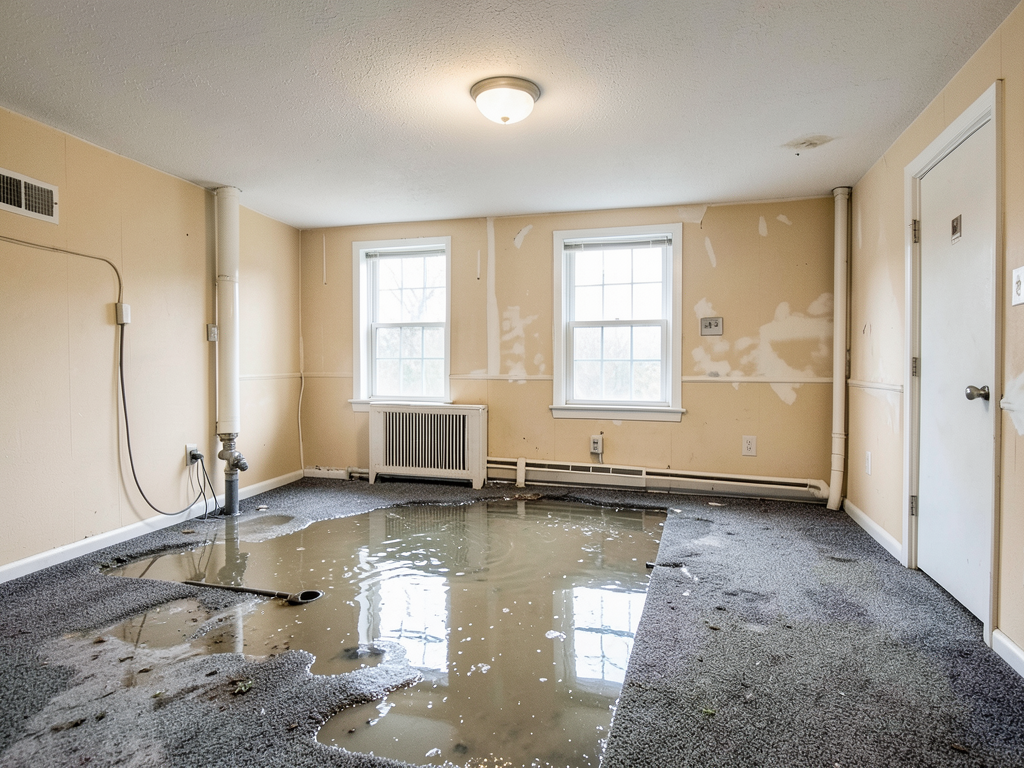
A flooded Chic’s Beach basement shows water damage to carpeting and drywall, illustrating the importance of functional sump pump systems during coastal storm events.
Protecting your investment with proper drainage
Sump pump systems work best as part of a comprehensive drainage strategy. Proper exterior grading directs surface water away from your foundation, reducing the load on your sump pump system. Gutters and downspouts should discharge at least 6 feet from your foundation to prevent water from seeping back toward your basement.
French drains and exterior footing drains provide additional protection by intercepting groundwater before it reaches your foundation. These systems work in conjunction with interior sump pumps to create multiple layers of flood protection. In sandy coastal soils, these exterior systems are particularly effective at managing groundwater flow.
Landscaping choices affect drainage patterns around your home. Avoid planting water-intensive vegetation near your foundation, as the roots can create pathways for water infiltration. Mulch and decorative rock beds should slope away from your house to prevent water from pooling against foundation walls.
Driveway and walkway design impacts water flow toward your home. Concrete and asphalt surfaces should slope away from your foundation at a minimum 1% grade. Consider permeable paving options that allow water to infiltrate the soil rather than running toward your basement walls.
Neighbor drainage patterns can affect your property’s water management. If adjacent properties drain toward your foundation, you may need additional drainage solutions such as swales or berms to redirect water flow. Coastal properties often share drainage challenges that require coordinated solutions among multiple homeowners.
Seasonal maintenance of exterior drainage systems prevents unexpected failures. Clean gutters and downspouts before rainy seasons, inspect French drains for clogs, and verify that all surface drainage features function properly. These preventive measures reduce the load on your sump pump system during heavy rainfall events.
Smart technology integration for modern sump systems
Today’s sump pump systems offer smart technology features that provide unprecedented monitoring and control capabilities. Wi-Fi-enabled controllers allow homeowners to monitor pump operation, water levels, and battery status from anywhere using smartphone apps. These systems can send alerts when problems are detected, enabling rapid response to potential issues.
Predictive maintenance capabilities use data analytics to identify patterns that indicate impending pump failure. By monitoring motor current draw, run times, and cycling frequency, these systems can alert homeowners when maintenance is needed before catastrophic failure occurs. This proactive approach prevents unexpected flooding during critical weather events.
Integration with home automation systems allows sump pump monitoring to become part of your overall home management strategy. Smart home platforms can coordinate sump pump operation with other systems, such as turning on dehumidifiers when water levels rise or shutting off HVAC systems to prevent electrical issues during flooding.
Remote diagnostics capabilities enable service providers to troubleshoot problems without on-site visits. By accessing system data remotely, technicians can often identify issues and prepare necessary parts before arriving at your home. This efficiency reduces repair times and minimizes water exposure during emergency situations.
Data logging features track system performance over time, providing valuable information for maintenance planning and system optimization. Historical data shows how your pump performs during different weather conditions, helping identify patterns that might indicate the need for system upgrades or modifications.
Voice control integration allows hands-free monitoring of your sump pump system. Smart speakers can provide status updates, alert you to problems, and even control certain system functions. This accessibility is particularly valuable during emergencies when you might need to check system status while addressing other issues.
Frequently Asked Questions
How long does a sump pump installation take in Chic’s Beach?
Most residential installations in the Chesapeake Beach area require 4-6 hours for complete setup, including pit excavation, pump mounting, and electrical connections. Complex installations with battery backup systems or extensive drainage modifications may require additional time.
What size sump pump do I need for my Virginia Beach home?
Standard recommendations suggest 1/3 HP pumps for most homes, but coastal properties often need 1/2 HP or larger units. Factors include basement size, water table depth, and local rainfall patterns. A professional assessment ensures proper sizing for your specific conditions.
How often should I test my sump pump?
Test your pump monthly by pouring water into the pit until the float activates. Annual professional maintenance should include comprehensive testing under load conditions. Coastal environments may require more frequent inspections due to salt air corrosion.
Can I install a sump pump myself?
While DIY installation is possible, professional installation ensures compliance with Virginia building codes and proper system sizing for coastal conditions. Incorrect installation can lead to system failure during critical weather events when you need protection most.
What’s the difference between submersible and pedestal pumps?
Submersible pumps operate underwater and offer quiet operation with superior cooling. Pedestal pumps keep the motor above water but may struggle with coastal humidity and salt air exposure. Submersible pumps typically provide better durability in coastal environments.
Protecting your Chic’s Beach home from water damage requires a comprehensive approach that includes professional sump pump installation, regular maintenance, and smart technology integration. The unique coastal challenges of high water tables, sandy soil, and hurricane season flooding demand specialized solutions that go beyond standard pump installations.
Don’t wait for the next storm to discover your current system can’t handle coastal conditions. A properly installed and maintained sump pump system provides peace of mind and protects your home’s value. With 24/7 emergency service available throughout the Chesapeake Beach area, help is always just a phone call away when you need it most.
Call (948) 207-0600 today to schedule your sump pump inspection or installation. Our experienced technicians understand the unique challenges of coastal Virginia Beach properties and can recommend the right solution for your home. Don’t let another rainy season pass without proper protection for your basement and belongings.
Pick up the phone and call (948) 207-0600 before the next storm hits. Your home deserves professional protection from water damage, and our team is ready to provide the expertise and service you need to keep your Chic’s Beach basement dry year-round.
A before and after comparison showing a Chic’s Beach basement with water damage alongside the same space protected by a new professional sump pump installation.
{
“@context”: “https://schema.org”,
“@type”: “BlogPosting”,
“headline”: “Keep your Chic’s Beach basement dry with a new sump pump installation”,
“description”: “Protect your Chic’s Beach home from flooding with expert sump pump installation. Learn about coastal Virginia Beach challenges, backup systems, and 24/7 emergency service.”,
“wordCount”: 3185,
“datePublished”: “2026-02-18T11:02:00.000Z”,
“dateModified”: “2026-02-18T11:02:00.000Z”,
“inLanguage”: “en-US”,
“mainEntityOfPage”: {
“@type”: “WebPage”,
“@id”: “https://libertyplumbingvirginiabeach.com”
},
“publisher”: {
“@type”: “LocalBusiness”,
“name”: “Liberty Plumbing Virginia Beach”,
“url”: “https://libertyplumbingvirginiabeach.com”
},
“author”: {
“@type”: “Organization”,
“name”: “Liberty Plumbing Virginia Beach”,
“url”: “https://libertyplumbingvirginiabeach.com”
},
“image”: {
“@type”: “ImageObject”,
“url”: “https://libertyplumbingvirginiabeach.com/wp-content/uploads/2026/03/keep-your-chic-s-beach-basement-dry-with-a-new-sum-1.png”
}
}
{
“@context”: “https://schema.org”,
“@type”: “Plumber”,
“name”: “Liberty Plumbing Virginia Beach”,
“url”: “https://libertyplumbingvirginiabeach.com”,
“address”: {
“@type”: “PostalAddress”,
“addressLocality”: “Virginia Beach”
},
“areaServed”: {
“@type”: “City”,
“name”: “Virginia Beach”
}
}
{
“@context”: “https://schema.org”,
“@type”: “FAQPage”,
“mainEntity”: [
{
“@type”: “Question”,
“name”: “How long does a sump pump installation take in Chic’s Beach?”,
“acceptedAnswer”: {
“@type”: “Answer”,
“text”: “Most residential installations in the Chesapeake Beach area require 4-6 hours for complete setup, including pit excavation, pump mounting, and electrical connections. Complex installations with battery backup systems or extensive drainage modifications may require additional time.”
}
},
{
“@type”: “Question”,
“name”: “What size sump pump do I need for my Virginia Beach home?”,
“acceptedAnswer”: {
“@type”: “Answer”,
“text”: “Standard recommendations suggest 1/3 HP pumps for most homes, but coastal properties often need 1/2 HP or larger units. Factors include basement size, water table depth, and local rainfall patterns. A professional assessment ensures proper sizing for your specific conditions.”
}
},
{
“@type”: “Question”,
“name”: “How often should I test my sump pump?”,
“acceptedAnswer”: {
“@type”: “Answer”,
“text”: “Test your pump monthly by pouring water into the pit until the float activates. Annual professional maintenance should include comprehensive testing under load conditions. Coastal environments may require more frequent inspections due to salt air corrosion.”
}
},
{
“@type”: “Question”,
“name”: “Can I install a sump pump myself?”,
“acceptedAnswer”: {
“@type”: “Answer”,
“text”: “While DIY installation is possible, professional installation ensures compliance with Virginia building codes and proper system sizing for coastal conditions. Incorrect installation can lead to system failure during critical weather events when you need protection most.”
}
},
{
“@type”: “Question”,
“name”: “What’s the difference between submersible and pedestal pumps?”,
“acceptedAnswer”: {
“@type”: “Answer”,
“text”: “Submersible pumps operate underwater and offer quiet operation with superior cooling. Pedestal pumps keep the motor above water but may struggle with coastal humidity and salt air exposure. Submersible pumps typically provide better durability in coastal environments.”
}
}
]
}
{
“@context”: “https://schema.org”,
“@type”: “HowTo”,
“name”: “How to Install a Coastal Sump Pump”,
“step”: [
{
“@type”: “HowToStep”,
“position”: 1,
“name”: “Site Assessment”,
“text”: “Identify lowest drainage point and measure groundwater levels. Check for existing drainage issues and determine optimal pit location.”
},
{
“@type”: “HowToStep”,
“position”: 2,
“name”: “Pit Excavation”,
“text”: “Dig pit 24-30 inches deep, ensuring stable walls. Line with gravel base and install basin liner with reinforced walls.”
},
{
“@type”: “HowToStep”,
“position”: 3,
“name”: “Pump Installation”,
“text”: “Mount pump level in basin, connect discharge pipe with check valve, and test float switch operation.”
},
{
“@type”: “HowToStep”,
“position”: 4,
“name”: “Electrical Setup”,
“text”: “Install GFCI-protected circuit with proper grounding. Add battery backup system if required for coastal location.”
},
{
“@type”: “HowToStep”,
“position”: 5,
“name”: “Testing and Commissioning”,
“text”: “Fill basin with water, verify automatic activation, check for leaks, and confirm proper discharge flow.”
}
],
“image”: “https://libertyplumbingvirginiabeach.com/wp-content/uploads/2026/03/keep-your-chic-s-beach-basement-dry-with-a-new-sum-1.png”
}
{
“@context”: “https://schema.org”,
“@type”: “BreadcrumbList”,
“itemListElement”: [
{
“@type”: “ListItem”,
“position”: 1,
“name”: “Home”,
“item”: “https://libertyplumbingvirginiabeach.com”
},
{
“@type”: “ListItem”,
“position”: 2,
“name”: “Blog”,
“item”: “https://libertyplumbingvirginiabeach.com/blog”
},
{
“@type”: “ListItem”,
“position”: 3,
“name”: “Keep your Chic’s Beach basement dry with a new sump pump installation”
}
]
}
{
“@context”: “https://schema.org”,
“@type”: “Service”,
“serviceType”: “Plumbing”,
“provider”: {
“@type”: “LocalBusiness”,
“name”: “Liberty Plumbing Virginia Beach”,
“url”: “https://libertyplumbingvirginiabeach.com”
},
“areaServed”: {
“@type”: “City”,
“name”: “Virginia Beach”
},
“description”: “Protect your Chic’s Beach home from flooding with expert sump pump installation. Learn about coastal Virginia Beach challenges, backup systems, and 24/7 emergency service.”
}