
menu

How to Shut Off Main Water Valve in Virginia Beach – Step-by-Step Guide for Homeowners

Learn the exact location and proper technique to shut off your main water supply quickly and safely when leaks strike or repairs are needed in your Virginia Beach home.

Slider Image 1
Slider Image 2
Slider Image 3
Slider Image 4
Slider Image 5
Slider Image 7
Slider Image 8
Slider Image 9
Slider Image 10
Slider Image 11

Why Every Virginia Beach Homeowner Needs to Know This

A burst pipe does not wait for business hours. When water starts flooding your kitchen at 2 a.m., you need to know exactly how to turn off the main water supply before hundreds of gallons damage your floors, drywall, and belongings.

Virginia Beach homes face specific challenges that make main water valve knowledge critical. The region's high humidity and salt air accelerate pipe corrosion, especially in older neighborhoods like Thoroughgood and Wolfsnare. Underground supply lines shift as our sandy coastal soil settles, creating stress points that can fail without warning. Winter freeze events, while rare, happen fast here and catch homeowners off guard.

Most people discover they do not know where their shut off valve is located until they need it. That three-minute search turns into a panic while water continues flowing. You might find yourself frantically calling a plumber when a simple valve turn would have stopped the damage immediately.

The main water shut off valve controls all water entering your home from the municipal supply line. Turning off the house water main stops flow to every fixture, appliance, and outlet. This single action can mean the difference between a minor repair and a major insurance claim.

Whether you are dealing with a burst washing machine hose, a failed water heater, or preparing for plumbing repairs, knowing how to close the main water shut off valve gives you immediate control. The process takes less than 60 seconds once you know what to look for.

Location matters in Virginia Beach. Homes built before 1990 often have valves in crawl spaces or buried near the foundation. Newer construction typically places them in garages or utility rooms. Understanding your specific setup is the first step.

Why Every Virginia Beach Homeowner Needs to Know This
Finding and Operating Your Main Water Valve

Finding and Operating Your Main Water Valve

Your main water shut off valve sits where the municipal supply line enters your home. In Virginia Beach, this location varies based on when your home was built and which neighborhood you live in.

Start your search at the water meter. Walk to the street where you see a small rectangular or circular cover set in the ground near your property line. This meter box contains the city-side shutoff, but you need the house-side valve for most emergencies. The supply line runs from this meter directly to your home, usually following the shortest path.

In homes with basements or crawl spaces, follow the exterior wall closest to the meter. The valve typically appears within three feet of where the supply pipe penetrates the foundation. Look for a copper, PEX, or galvanized pipe with a valve handle or wheel.

Slab foundation homes place the valve either in the garage, near the water heater, or in a utility closet. Check low on the wall where pipes enter from underground. Some builders install access panels specifically for valve access.

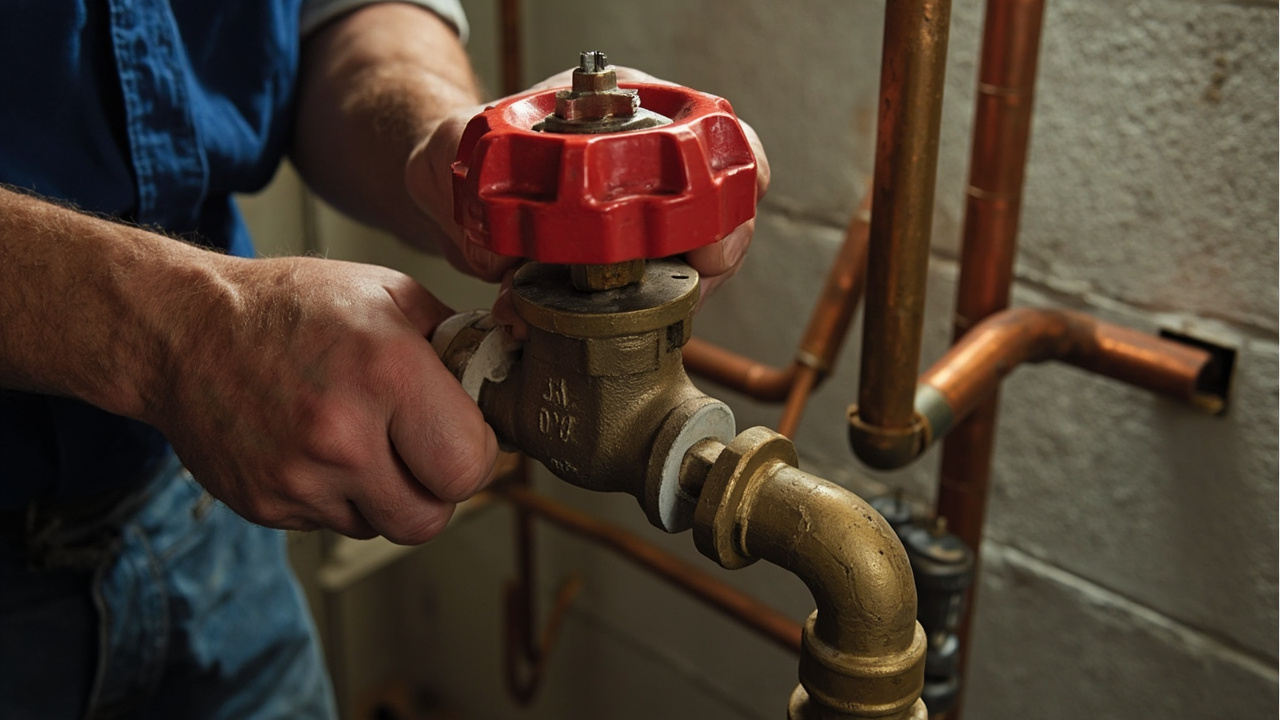
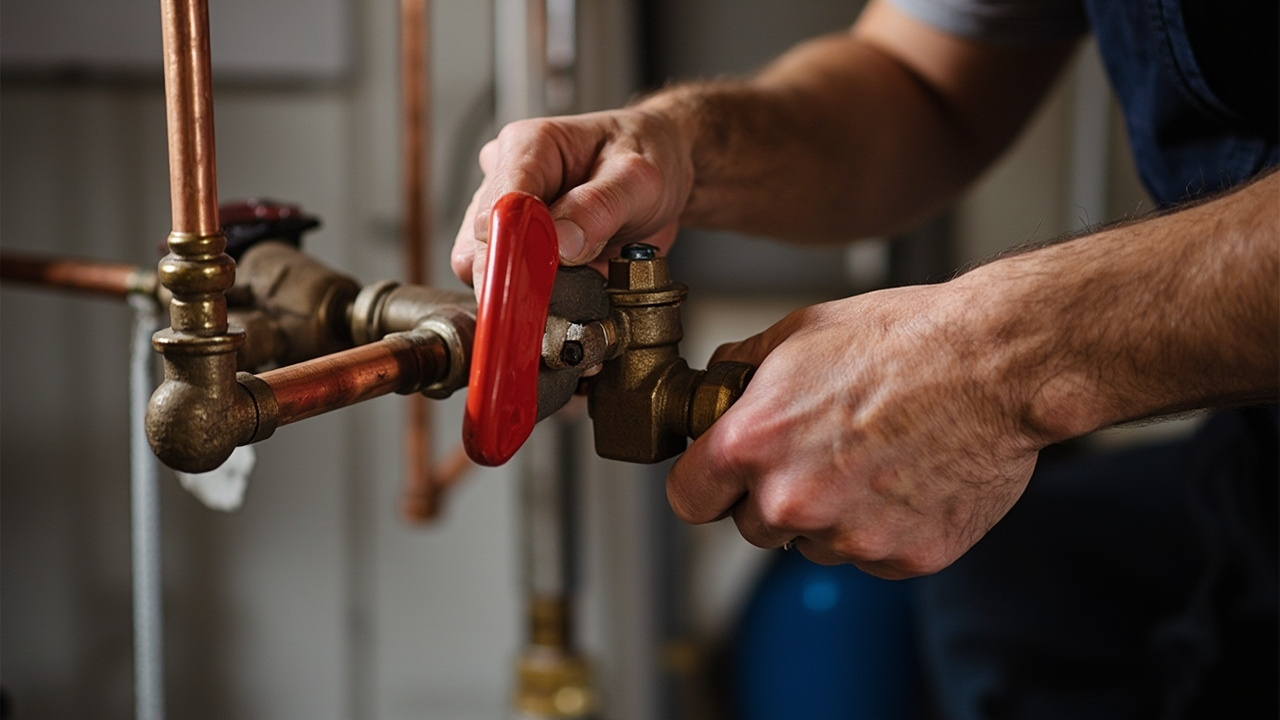
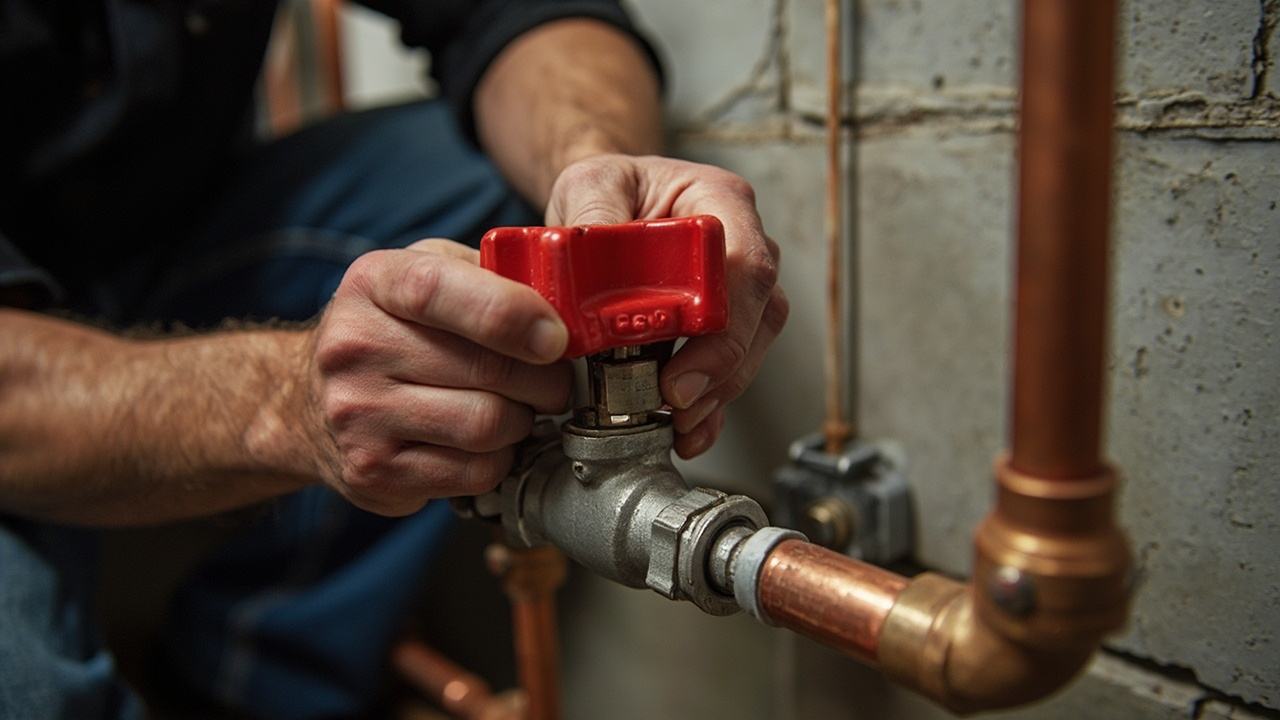
The valve itself comes in two common types. Gate valves have a round wheel that turns clockwise to close. Ball valves use a lever handle that rotates 90 degrees. Both types should turn smoothly, though older gate valves may require some force if they have not been operated in years.

To shut off water supply to your home, turn the gate valve wheel fully clockwise until it stops. For ball valves, rotate the lever a quarter turn until it sits perpendicular to the pipe. The handle position makes ball valves easy to read at a glance.

After closing the valve, open a faucet at the lowest point in your home to drain residual pressure. This step prevents vacuum formation and makes repairs safer. The system should stop flowing within 30 seconds if the valve is working correctly.

Your Water Shutoff Action Plan

How to Shut Off Main Water Valve in Virginia Beach – Step-by-Step Guide for Homeowners
01

Locate the Valve

Start at your water meter location outside and trace the supply line toward your home. Check the garage, utility room, or crawl space near where the pipe enters the foundation. The main shutoff valve sits on your side of the meter, typically within five feet of the entry point. Look for a wheel handle or lever on the largest incoming pipe.
02

Turn the Valve

For gate valves, grip the round wheel firmly and turn clockwise until it stops completely. You should feel resistance increase as the gate drops. Ball valve users rotate the lever handle 90 degrees until perpendicular to the pipe. The handle aligns with the pipe when open and crosses it when closed. Do not force if you meet excessive resistance.
03

Release Pressure

Open a cold water faucet at the lowest level of your home after closing the main valve. This drains residual pressure from the system and prevents vacuum formation. Water flow should stop within 30 seconds. If water continues flowing steadily, your valve may be failing and requires professional replacement to restore reliable shutoff capability.

When DIY Knowledge Meets Professional Reality

Knowing how to turn off your main water supply solves immediate emergencies, but valve problems themselves require professional attention. Liberty Plumbing Virginia Beach handles these situations daily across every neighborhood from Chesapeake Bay estates to oceanfront condos.

Main shutoff valves fail more often than homeowners realize. Gate valves develop mineral buildup that prevents full closure. Stems crack and leak. Handle wheels strip and spin without engaging the gate mechanism. A valve that has not been operated in five years may not work when you need it most.

Virginia Beach's coastal environment accelerates these problems. Salt air penetrates crawl spaces and garages, corroding brass and steel valve components. Underground valves in meter boxes face constant moisture exposure. The result is seized mechanisms and failed seals that let water bypass even when the valve appears closed.

We recommend testing your main shutoff valve twice yearly. Turn it fully closed, then reopen it to keep the mechanism exercised. This simple maintenance reveals problems before emergencies strike. If the valve requires excessive force, leaks at the packing nut, or fails to stop water flow completely, replacement is needed.

Modern ball valves offer superior reliability compared to old gate valve designs. The quarter-turn operation requires less effort and provides positive visual confirmation of valve position. Corrosion-resistant materials extend service life in our humid climate. Professional installation ensures proper placement and code compliance.

Local building codes require accessible shutoff valves for all plumbing fixtures and appliances. Homes built before these codes took effect may lack compliant valve placement. Upgrading your valve infrastructure improves safety and simplifies future repairs. The investment pays back immediately when a water heater fails or a pipe bursts at 3 a.m.

Trust matters when choosing a plumber for critical infrastructure. Our technicians live and work in Virginia Beach. We know which neighborhoods have problematic valve installations and which builders cut corners. That local knowledge prevents surprises during service calls.

What Professional Valve Service Includes

Same-Day Emergency Response

Water emergencies escalate fast. We dispatch technicians within two hours for main valve failures and leak situations. Our trucks carry replacement valves in multiple sizes and configurations to complete repairs without delays. Night and weekend calls receive the same priority as weekday service. You get a functioning shutoff valve restored before additional water damage occurs. No appointment scheduling or waiting lists when your home is flooding.

Complete Valve Assessment

Our technicians test valve operation and inspect for corrosion, leaks, and mechanical wear. We check supply line condition at the connection point and verify proper valve sizing for your home's water demand. You receive a clear explanation of any problems discovered and repair options with transparent pricing. The assessment includes checking secondary shutoffs at water heaters, washing machines, and under sinks to ensure your entire system offers proper isolation capability.

Code-Compliant Installation

Replacement valves meet current Virginia Beach building codes and IAPMO standards for materials and placement. We install ball valves with stainless steel balls and reinforced PTFE seats that resist corrosion and mineral buildup. All connections are pressure tested before we consider the job complete. You get a valve installation that provides reliable service for decades, not just until the warranty expires. Proper installation techniques prevent the premature failures common with DIY valve replacements.

Preventive Maintenance Plans

Regular valve testing and maintenance prevents emergency failures. Our service plans include biannual valve operation checks, lubrication of moving parts, and replacement of worn packing and seals before they leak. You receive documentation of valve condition and recommendations for upgrades or replacements based on remaining service life. Scheduled maintenance costs less than emergency service calls and protects your home from water damage that insurance may not fully cover.

Frequently Asked Questions

You Have Questions,
We Have Answers

How do I turn off my house main water valve? +

Locate your main water valve, which is usually near where the water line enters your home. In Virginia Beach, this is often in a basement, crawl space, or utility closet near the street side. Turn the valve clockwise (righty-tighty) until it stops. Gate valves require multiple full turns, while ball valves only need a quarter turn. If the valve is stuck due to corrosion from our coastal humidity, do not force it. Apply penetrating oil and wait, or call a plumber to avoid breaking the valve and flooding your property.

Where is your main water shut off valve? +

Your main water shutoff valve sits where the municipal water line enters your home. In Virginia Beach homes, check the basement wall facing the street, a crawl space near the foundation, or inside a ground-level utility closet. Older homes in the North End or Ocean Park neighborhoods may have the valve in a concrete pit outside near the property line. Look for a pipe coming through the foundation with a valve attached. Slab homes often have the valve in a garage or laundry room. If you cannot find it, check your home inspection report or contact the city.

Can I shut off my own water main? +

Yes, you can shut off your own water main. Homeowners in Virginia Beach have the right to operate their main shutoff valve. This valve controls water flow to your entire property and is different from the city's curb valve at the street. Shutting off your valve helps during plumbing emergencies, pipe repairs, or vacation periods. Turn the valve slowly to avoid water hammer, which can damage pipes. If the valve leaks when you turn it or feels frozen from corrosion, stop immediately and call a licensed plumber to prevent a catastrophic failure.

What does the main water shut off valve look like? +

The main water shutoff valve appears as either a gate valve or ball valve on a thick pipe where water enters your home. Gate valves have a round wheel handle that requires multiple turns. Ball valves feature a lever handle that turns 90 degrees. The valve sits on a pipe ranging from three-quarters of an inch to one inch in diameter. In Virginia Beach coastal areas, valves often show corrosion or mineral buildup from our hard water. The pipe usually has a water meter nearby and runs through the foundation wall facing the street side of your property.

Is it safe to shut off the main water valve? +

Shutting off your main water valve is safe when done correctly. Turn the valve slowly to prevent water hammer, which creates pressure spikes that can damage pipes and fixtures. Virginia Beach's older homes with galvanized pipes are especially vulnerable to this pressure shock. Avoid forcing a stuck valve, as the stem can break and cause flooding. Before shutting off water, inform household members and consider draining pipes if the home will be unheated during winter. The valve may drip slightly when reopened due to worn seals. This is common in coastal homes and requires professional replacement.

How do I prepare for turning off water? +

Before turning off your water, alert everyone in the household. Turn off appliances using water, including dishwashers, washing machines, and water heaters. For extended shutoffs in Virginia Beach winter months, open faucets after closing the main valve to drain pipes and prevent freezing damage. Place buckets under any fixtures prone to dripping. If shutting off water for repairs, gather towels and buckets for residual water in pipes. Take photos of your water meter reading for insurance purposes if responding to an emergency. Know where your valve is before you need it during a plumbing crisis.

Where can I find the main water shutoff valve? +

Find your main water shutoff valve where the municipal water line enters your home. In Virginia Beach, check the basement or crawl space wall facing the street first. Look for a large pipe penetrating the foundation with a valve attached. Homes on slabs often have the valve in the garage, laundry room, or utility closet. Some older properties in the Oceanfront or Hilltop areas have outdoor valves in concrete pits near the property line. Follow the path of your water meter backwards toward your house. The main shutoff sits between the meter and your home's interior plumbing.

Where is my water pressure valve located in my house? +

Your water pressure valve, different from the main shutoff, sits on the main water line after it enters your home but before it branches to fixtures. In Virginia Beach homes, this pressure reducing valve usually mounts near the water heater or main shutoff valve. Look for a bell-shaped brass fitting with an adjustment screw on top. Not all homes have pressure valves. Virginia Beach municipal water pressure typically runs 60 to 80 PSI. Homes near water towers or elevated areas may have pressure reducing valves to prevent fixture damage. The valve regulates incoming pressure to safe levels for your plumbing system.

Do all homes have a main water shut-off valve? +

Yes, all homes have a main water shutoff valve where the municipal water line connects to the home's plumbing system. Building codes in Virginia Beach and throughout Virginia require this shutoff for safety and emergency access. Older homes built before modern codes may have valves in unusual locations or outdated gate valves prone to failure. Mobile homes and some manufactured housing have shutoffs underneath the structure. If you cannot locate your shutoff valve, hire a licensed plumber to find it and potentially install a new, accessible valve to meet current standards and protect your property during emergencies.

Virginia Beach Water Pressure and Valve Sizing Challenges

Virginia Beach municipal water pressure runs higher than national averages, typically between 70 and 90 PSI in most neighborhoods. This elevated pressure puts additional stress on main shutoff valves, particularly older gate valve designs. The constant force accelerates wear on valve seats and seals. Homes in areas served by booster stations near the oceanfront experience even higher pressure spikes that can exceed 100 PSI during low-demand periods. Proper valve selection and installation must account for these pressure conditions to ensure reliable shutoff capability when needed.

Our technicians train specifically on Virginia Beach water system characteristics and local code requirements. We maintain relationships with city water department personnel and stay current on infrastructure updates that affect residential plumbing systems. This local expertise matters when diagnosing valve problems and recommending solutions. A plumber from outside the area may not recognize issues specific to our coastal environment or understand how salt air exposure affects different valve materials. Choosing a local specialist means getting service from someone who knows your exact situation.
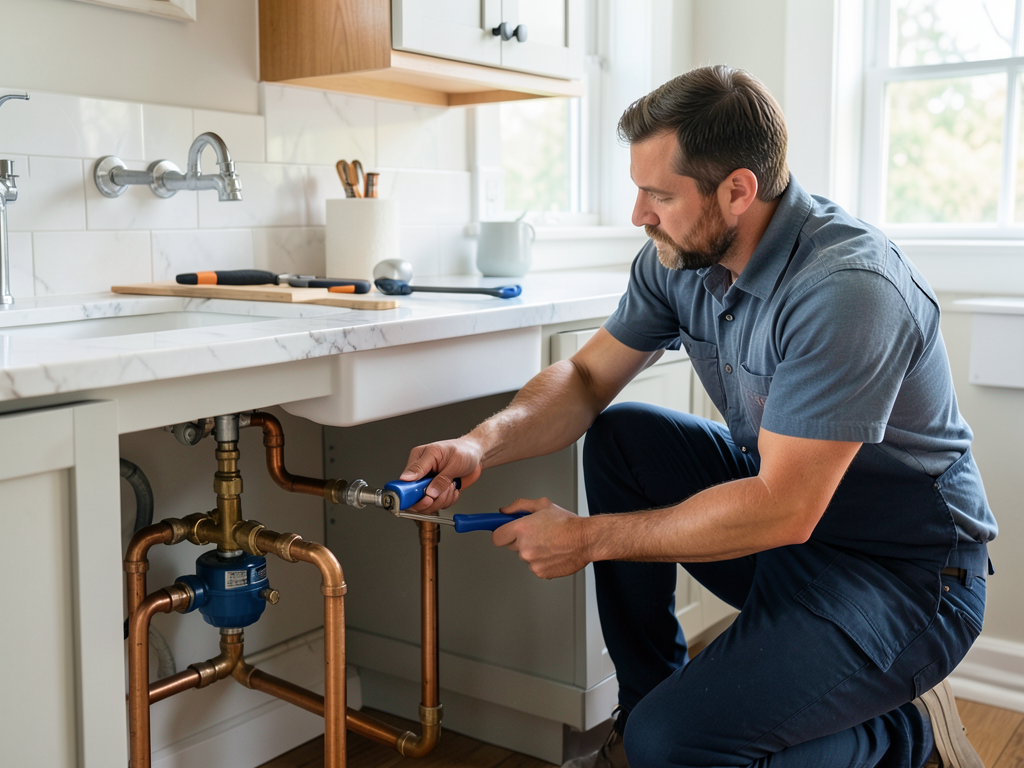
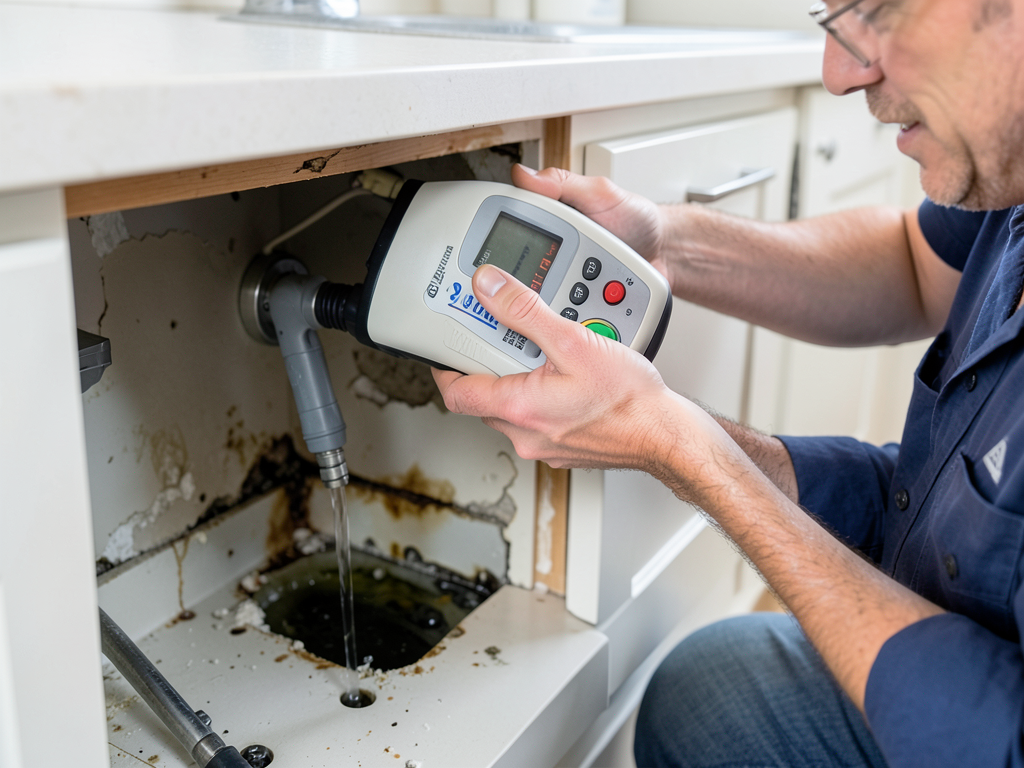
Plumbing Services in The Virginia Beach Area

While our expert technicians are always on the move, serving every corner of the community, you can use the map below to confirm our central location and service radius. We are proud to be a dedicated local business, committed to providing prompt, professional service wherever you are within the greater Virginia Beach area. We look forward to receiving your call and demonstrating our trustworthy service firsthand.

Address:
Liberty Plumbing Virginia Beach, 780 Lynnhaven Pkwy, Virginia Beach, VA, 23452

Additional Services We Offer

Our news updates

Latest Articles & News from The Blogs

Why Your Large Colonial Home in Great Neck Takes Forever to Get Hot Water Living in a spacious Great Neck…

Why Your Large Colonial Home in Great Neck Takes Forever to Get Hot Water

Why Your Large Colonial Home in Great Neck Takes Forever to Get Hot Water Living in a spacious Great Neck…

The Hidden Dangers of Mold Growth Under Sinks in Humid London Bridge Neighborhoods

The Hidden Dangers of Mold Growth Under Sinks in Humid London Bridge Neighborhoods Virginia Beach's coastal humidity creates the perfect…

How to Install an Outdoor Pet Wash Station for Your Active North End Beach Dog

How to Install an Outdoor Pet Wash Station for Your Active North End Beach Dog Installing an outdoor pet wash…

Contact Us

Do not wait for a valve failure to flood your home. Call Liberty Plumbing Virginia Beach at (948) 207-0600 now for professional valve inspection, testing, or emergency replacement. We answer 24/7 and dispatch immediately for water emergencies.