
Why Your Large Colonial Home in Great Neck Takes Forever to Get Hot Water
Living in a spacious Great Neck Colonial means enjoying high ceilings, expansive floor plans, and multiple bathrooms—but it also means dealing with frustratingly long waits for hot water. The physics are simple: the farther your fixtures are from the water heater, the more cold water sits in those long pipes before hot water arrives. In a 4,000-square-foot home, that can mean wasting gallons of water and minutes of your morning waiting for the shower to heat up. Hard water solutions for Pungo properties using well water.
Understanding the root cause is the first step to solving it. This article breaks down exactly why large homes in Great Neck experience hot water lag, what it costs you in wasted water and energy, and the proven solutions that can deliver hot water instantly to every tap. Why Great Neck residents trust our team for trenchless sewer line repairs.
The Physics of the ‘Wait’: Why Large Homes Suffer Most
Hot water lag is a function of pipe volume and distance. A standard ½-inch copper pipe holds about 1 gallon of water per 50 feet. If your master bathroom is 80 feet from the water heater, that’s over 1.5 gallons of cold water sitting in the line every time you turn on the tap. The larger the home, the longer the runs, and the more water wasted.. Read more about Choosing the Right Tank Size for Your Large Family Water Heater in Princess Anne.
Thermal mass compounds the problem. Pipes in unconditioned crawlspaces or exterior walls absorb heat from the water, cooling it before it reaches your faucet. In Great Neck’s coastal climate, where humidity is high and temperatures fluctuate seasonally, heat loss through uninsulated pipes can be significant.. Read more about Comparing Electric vs Heat Pump Water Heaters for Your Virginia Beach Rental.
The ‘cold water sandwich’ effect is another culprit. When you turn off a hot water tap, the remaining hot water in the line cools. The next time you turn it on, you get a burst of cold water before the heated water arrives. This is especially noticeable in homes with multiple stories or sprawling layouts. What to do when you have a burst pipe in your Little Neck home.
Calculating the Cost of the Lag
Let’s put some numbers to the frustration. If you wait 60 seconds for hot water at each of three fixtures daily, that’s 180 seconds of wasted water per day. At 2.5 gallons per minute, that’s 7.5 gallons wasted daily, or about 2,700 gallons annually. At Virginia Beach’s current water rates, that’s roughly $30 per year in wasted water alone—not counting the energy to reheat replacement water. Virginia Uniform Statewide Building Code (USBC).
For a family of four, multiply those numbers. The environmental impact adds up too: 2,700 gallons of wasted water means more strain on local aquifers and higher utility bills. In a region like Hampton Roads, where water conservation is increasingly important, reducing hot water lag is both an economic and environmental win.
Consider also the wear on your water heater. Short-cycling—where the heater turns on and off frequently to maintain temperature in long pipes—reduces efficiency and shortens the lifespan of the unit. Over time, the cost of replacement can far exceed the investment in a recirculation system.
Solution 1: Hot Water Recirculation Systems
Recirculation systems are the gold standard for eliminating hot water lag. They work by continuously circulating hot water through your pipes, so it’s always ready at the tap. There are two main types: dedicated return line systems and bridge valve systems.
Dedicated return line systems require a separate pipe running from the farthest fixture back to the water heater. They offer the fastest hot water delivery and are ideal for new construction or major remodels. In existing homes, installing a dedicated return line can be costly and invasive.
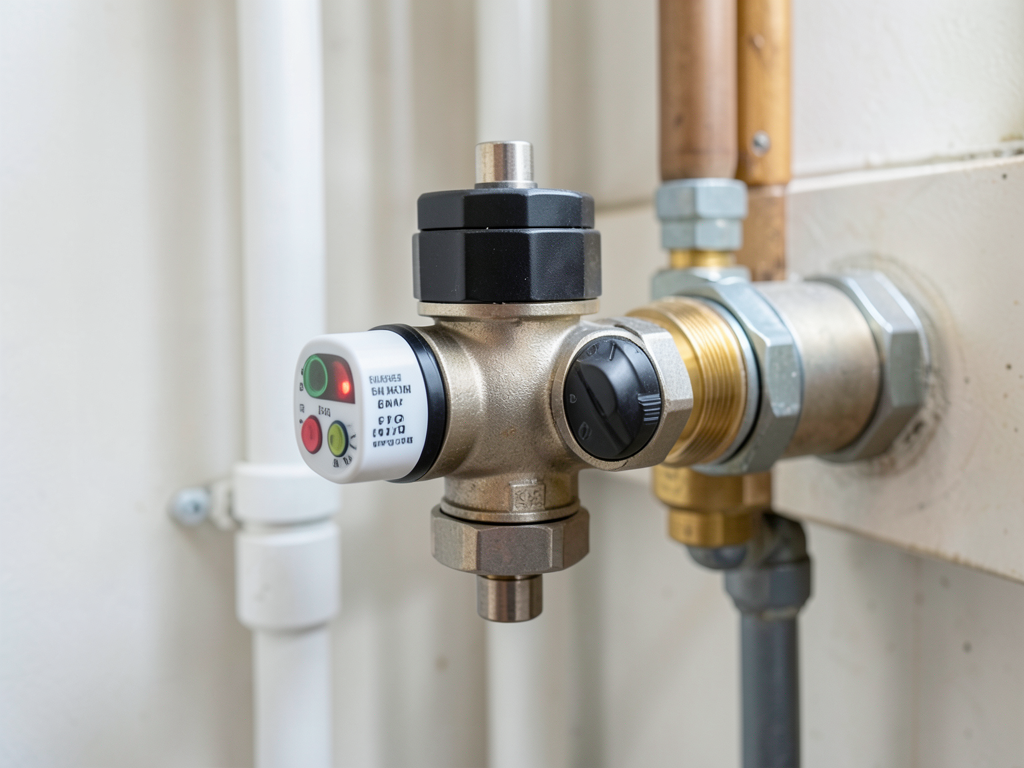
Bridge valve systems are more common for retrofits. They use the cold water line as the return path, with a thermostatic valve installed at the farthest fixture. When the water in the hot line cools below a set point, the valve opens, allowing cooled water to return to the heater. This system is less expensive and easier to install but can slightly warm your cold water line.
Modern smart recirculation pumps add another layer of efficiency. Motion-activated or timer-controlled units only run when needed, reducing energy use. Some models integrate with home automation systems, allowing you to control them via smartphone app.
According to the U.S. Department of Energy, a well-designed recirculation system can reduce hot water wait times by up to 80% and save a typical household 3,000 to 5,000 gallons of water per year. In a large Colonial home, the savings are even more pronounced. U.S. Department of Energy on tankless water heaters.
Solution 2: Point-of-Use Electric Water Heaters
For remote bathrooms or ‘dead-end’ plumbing branches, point-of-use (POU) electric water heaters can be a game-changer. These compact units install directly under the sink or in a nearby closet, providing instant hot water to that fixture without waiting for it to travel from the main heater.
POU heaters are ideal for guest suites, pool houses, or any fixture far from the main water heater. They come in tanked and tankless models. Tanked units store a small volume of hot water (typically 2.5 to 6 gallons) and are best for low-flow applications like handwashing. Tankless POU heaters provide continuous hot water but require adequate electrical capacity.
In Great Neck, where many homes have sprawling layouts with isolated guest bathrooms or home offices, POU heaters can eliminate hot water lag without the need for extensive plumbing modifications. They’re also a good solution for homes with hard water, as they reduce the distance hot water must travel through potentially scaled pipes.
Installation is relatively straightforward for a licensed plumber, and the units are energy-efficient since they only heat water when needed. However, they do add to your electrical load, so it’s important to ensure your panel can handle the additional demand.
Solution 3: Tankless Water Heater Retrofitting
If your current water heater is aging or undersized, upgrading to a tankless unit can improve hot water delivery throughout your home. Tankless heaters heat water on demand, so you never run out of hot water—but they don’t necessarily solve lag unless properly sized and installed. Upgrading to a high-efficiency toilet in your Bayside rental property.
For a large Colonial home in Great Neck, you’ll need a high-capacity tankless unit or multiple units to meet peak demand. A single unit may struggle to supply multiple showers, a dishwasher, and a washing machine simultaneously. In such cases, a hybrid approach—main tankless heater with POU units for remote fixtures—often works best.
Flow rate is critical. Tankless heaters are rated by gallons per minute (GPM). A typical shower uses 2.5 GPM, while a dishwasher uses 1.5 GPM. Add up your simultaneous usage to determine the required capacity. In Virginia Beach, where groundwater temperatures can dip in winter, you may need a higher BTU unit to maintain flow rates. Keep your Chic’s Beach basement dry with a new sump pump installation.
Installation considerations include venting, gas line capacity (for gas models), and electrical requirements (for electric models). Tankless units also require annual maintenance to prevent scale buildup, especially in areas with hard water like Hampton Roads.
While tankless systems can reduce energy costs by up to 30% compared to traditional tanks, the upfront cost is higher. However, the long-term savings, combined with the convenience of endless hot water, make them a compelling option for large homes.
Virginia Beach Specific Considerations
Virginia Beach’s coastal climate and unique infrastructure create specific challenges for hot water delivery. Our groundwater temperatures, which average around 55°F year-round, mean your water heater has to work harder in winter to raise water to a comfortable 120°F. This affects recovery times and can exacerbate lag in large homes.
High humidity in the Tidewater area leads to condensation on cold pipes, which can promote mold growth and accelerate corrosion. Insulating your hot water lines with R-4 or higher foam insulation is not just about energy savings—it’s also about preventing moisture damage in your walls and crawlspaces.
Many Great Neck homes were built in the 1980s and 1990s with expansive floor plans but single water heaters located in garages or utility rooms. These long, uninsulated runs are a recipe for lag. Modern building codes, such as the 2021 Virginia Uniform Statewide Building Code (USBC), now require hot water recirculation in new homes over 3,000 square feet, but older homes need retrofitting.
Local water quality is another factor. Hampton Roads’ water is moderately hard, with calcium and magnesium deposits that can scale pipes and reduce heat transfer. Over time, this scaling narrows pipes and further slows hot water delivery. A whole-home water softener can mitigate this issue, though it adds to upfront costs.
Finally, consider the impact of hurricane season. Power outages can leave you without hot water for days. A recirculation system with a battery backup or a gas-powered tankless unit can provide peace of mind during storm season.
Choosing the Right Solution for Your Home
The best solution depends on your home’s layout, your budget, and your tolerance for waiting. Here’s a quick guide:
| Problem | Best Solution | Cost Range | Installation Time |
|---|---|---|---|
| Single fixture far from heater | Point-of-use heater | $300-$600 | 1-2 hours |
| Multiple fixtures with lag | Recirculation pump (bridge valve) | $500-$1,200 | 2-4 hours |
| New construction or major remodel | Dedicated return line + pump | $1,500-$3,000 | 1-2 days |
| Aging heater, high demand | Tankless system upgrade | $2,500-$5,000 | 1-2 days |
For most Great Neck Colonial homeowners, a bridge valve recirculation system offers the best balance of cost, convenience, and effectiveness. It’s a proven technology that can be installed with minimal disruption and delivers immediate results.
If you’re building new or doing a major renovation, consider a dedicated return line. It’s more expensive upfront but provides the fastest hot water delivery and can increase your home’s resale value.
Regardless of the solution you choose, professional installation is key. A licensed plumber can assess your home’s layout, calculate flow rates, and ensure your system complies with local codes. Improper installation can lead to leaks, energy waste, or even scalding hazards.
Maintenance and Long-Term Performance
Once your hot water system is optimized, regular maintenance will keep it running efficiently. For recirculation systems, check the pump annually for leaks or unusual noise. Clean or replace the filter if your model has one. For tankless units, descale the heat exchanger every 1-2 years to prevent mineral buildup.
Insulate all accessible hot water pipes, especially in unconditioned spaces. Use pipe insulation with an R-value of at least 4. Seal any gaps around pipe penetrations to prevent drafts and condensation. In crawlspaces, consider installing a vapor barrier to further protect your plumbing.
Monitor your water heater’s temperature setting. The Department of Energy recommends 120°F for most households. Higher settings waste energy and increase scalding risk. If you have young children or elderly family members, consider installing anti-scald devices at fixtures.
Finally, be mindful of water quality. If you notice white deposits on fixtures or reduced flow, it may be time to test your water and consider a softener or filtration system. Hard water not only affects your plumbing but can also reduce the efficiency of your water heater and other appliances.
Frequently Asked Questions
How much does a recirculation system cost to run?
A typical bridge valve recirculation system uses about 30-50 watts when running, costing roughly $3-$5 per month in electricity. Smart models with timers or motion sensors can reduce this further.
Will a recirculation system make my cold water warm?
Bridge valve systems can slightly warm the cold water line, but the effect is usually minimal and only noticeable when hot water is in use. Dedicated return lines avoid this issue entirely.
Can I install a recirculation system myself?
While some homeowners attempt DIY installation, professional installation ensures proper sizing, code compliance, and warranty protection. Incorrect installation can lead to leaks or system failure.
How long does it take to get hot water after installation?
With a properly installed recirculation system, hot water should be available at the tap within 5-10 seconds, compared to 30-60 seconds or more without one.
Is a tankless water heater worth it for a large home?
Tankless units can be worth it for large homes with high hot water demand, but they require careful sizing and may need multiple units or supplemental POU heaters for optimal performance.
Ready to Eliminate Hot Water Lag?
Stop wasting water and time waiting for hot water. Call (948) 207-0600 today to schedule your inspection. Our licensed plumbers will assess your home’s layout, recommend the best solution, and install it quickly and professionally. Whether you need a simple recirculation pump or a complete system upgrade, we’ll help you enjoy instant hot water in every room of your Great Neck Colonial.
Pick up the phone and call (948) 207-0600 before the next storm hits. With hurricane season approaching, now is the perfect time to ensure your home’s plumbing is ready for anything. Don’t let another morning start with a cold shower—call us today!
{
“@context”: “https://schema.org”,
“@type”: “BlogPosting”,
“headline”: “Why Your Large Colonial Home in Great Neck Takes Forever to Get Hot Water”,
“description”: “Discover why sprawling Great Neck Colonial homes suffer hot water lag and learn proven solutions like recirculation pumps and tankless systems to eliminate the wait.”,
“wordCount”: 2171,
“datePublished”: “2026-06-12T09:22:00.000Z”,
“dateModified”: “2026-06-12T09:22:00.000Z”,
“inLanguage”: “en-US”,
“mainEntityOfPage”: {
“@type”: “WebPage”,
“@id”: “https://libertyplumbingvirginiabeach.com”
},
“publisher”: {
“@type”: “LocalBusiness”,
“name”: “Liberty Plumbing Virginia Beach”,
“url”: “https://libertyplumbingvirginiabeach.com”
},
“author”: {
“@type”: “Organization”,
“name”: “Liberty Plumbing Virginia Beach”,
“url”: “https://libertyplumbingvirginiabeach.com”
},
“image”: {
“@type”: “ImageObject”,
“url”: “https://libertyplumbingvirginiabeach.com/wp-content/uploads/2026/03/why-your-large-colonial-home-in-great-neck-takes-f-1.png”
}
}
{
“@context”: “https://schema.org”,
“@type”: “Plumber”,
“name”: “Liberty Plumbing Virginia Beach”,
“url”: “https://libertyplumbingvirginiabeach.com”,
“address”: {
“@type”: “PostalAddress”,
“addressLocality”: “Virginia Beach”
},
“areaServed”: {
“@type”: “City”,
“name”: “Virginia Beach”
}
}
{
“@context”: “https://schema.org”,
“@type”: “FAQPage”,
“mainEntity”: [
{
“@type”: “Question”,
“name”: “How much does a recirculation system cost to run?”,
“acceptedAnswer”: {
“@type”: “Answer”,
“text”: “A typical bridge valve recirculation system uses about 30-50 watts when running, costing roughly $3-$5 per month in electricity. Smart models with timers or motion sensors can reduce this further.”
}
},
{
“@type”: “Question”,
“name”: “Will a recirculation system make my cold water warm?”,
“acceptedAnswer”: {
“@type”: “Answer”,
“text”: “Bridge valve systems can slightly warm the cold water line, but the effect is usually minimal and only noticeable when hot water is in use. Dedicated return lines avoid this issue entirely.”
}
},
{
“@type”: “Question”,
“name”: “Can I install a recirculation system myself?”,
“acceptedAnswer”: {
“@type”: “Answer”,
“text”: “While some homeowners attempt DIY installation, professional installation ensures proper sizing, code compliance, and warranty protection. Incorrect installation can lead to leaks or system failure.”
}
},
{
“@type”: “Question”,
“name”: “How long does it take to get hot water after installation?”,
“acceptedAnswer”: {
“@type”: “Answer”,
“text”: “With a properly installed recirculation system, hot water should be available at the tap within 5-10 seconds, compared to 30-60 seconds or more without one.”
}
},
{
“@type”: “Question”,
“name”: “Is a tankless water heater worth it for a large home?”,
“acceptedAnswer”: {
“@type”: “Answer”,
“text”: “Tankless units can be worth it for large homes with high hot water demand, but they require careful sizing and may need multiple units or supplemental POU heaters for optimal performance.”
}
},
{
“@type”: “Question”,
“name”: “Ready to Eliminate Hot Water Lag?”,
“acceptedAnswer”: {
“@type”: “Answer”,
“text”: “Stop wasting water and time waiting for hot water. Call (948) 207-0600 today to schedule your inspection. Our licensed plumbers will assess your home’s layout, recommend the best solution, and install it quickly and professionally. Whether you need a simple recirculation pump or a complete system upgrade, we’ll help you enjoy instant hot water in every room of your Great Neck Colonial.”
}
}
]
}
{
“@context”: “https://schema.org”,
“@type”: “BreadcrumbList”,
“itemListElement”: [
{
“@type”: “ListItem”,
“position”: 1,
“name”: “Home”,
“item”: “https://libertyplumbingvirginiabeach.com”
},
{
“@type”: “ListItem”,
“position”: 2,
“name”: “Blog”,
“item”: “https://libertyplumbingvirginiabeach.com/blog”
},
{
“@type”: “ListItem”,
“position”: 3,
“name”: “Why Your Large Colonial Home in Great Neck Takes Forever to Get Hot Water”
}
]
}
{
“@context”: “https://schema.org”,
“@type”: “Service”,
“serviceType”: “Plumbing”,
“provider”: {
“@type”: “LocalBusiness”,
“name”: “Liberty Plumbing Virginia Beach”,
“url”: “https://libertyplumbingvirginiabeach.com”
},
“areaServed”: {
“@type”: “City”,
“name”: “Virginia Beach”
},
“description”: “Discover why sprawling Great Neck Colonial homes suffer hot water lag and learn proven solutions like recirculation pumps and tankless systems to eliminate the wait.”
}