
menu

Your Complete Plumbing Inspection Checklist for Virginia Beach Homes – Prevent Costly Repairs Before They Start

This detailed plumbing maintenance checklist helps Virginia Beach homeowners catch hidden leaks, corrosion, and system failures caused by saltwater air and high humidity before minor issues turn into expensive emergencies.

Slider Image 1
Slider Image 2
Slider Image 3
Slider Image 4
Slider Image 5
Slider Image 7
Slider Image 8
Slider Image 9
Slider Image 10
Slider Image 11

Why Virginia Beach Homes Need Regular Plumbing System Inspections

Virginia Beach's coastal environment creates unique challenges for residential plumbing systems. Saltwater air accelerates corrosion on exposed pipes and fixtures. High humidity levels promote condensation inside crawl spaces and attics, leading to hidden leaks that homeowners often miss until significant damage occurs.

The sandy soil common throughout Virginia Beach shifts seasonally, putting stress on underground water lines and sewer laterals. This movement creates small cracks that allow tree roots to infiltrate pipes. Once inside, roots expand rapidly and cause complete blockages.

A comprehensive home plumbing inspection list addresses these location-specific threats. Regular checkups identify early warning signs like reduced water pressure, slow drains, or minor leaks around pipe joints. Catching these issues early prevents catastrophic failures that flood basements or damage foundations.

Most Virginia Beach homes use PEX or copper supply lines. Both materials react differently to our coastal conditions. Copper develops pinhole leaks from chlorine exposure and acidic water. PEX connections can loosen from temperature fluctuations between our hot summers and mild winters.

Your residential plumbing checkup list should cover visible fixtures, hidden supply lines, drain systems, water heaters, and outdoor hose bibs. Each component plays a role in your home's plumbing health. Ignoring one area creates vulnerabilities that compromise the entire system.

A preventative plumbing maintenance checklist saves money by extending equipment lifespan and reducing emergency repair calls. The average hidden leak wastes 90 gallons daily, adding unnecessary costs to water bills while promoting mold growth in wall cavities.

Why Virginia Beach Homes Need Regular Plumbing System Inspections
Essential Items on Your Plumbing System Inspection Guide

Essential Items on Your Plumbing System Inspection Guide

A thorough plumbing inspection checklist examines every component that moves water through your home. Start with supply lines, checking for corrosion, mineral buildup, and proper support spacing. Unsupported horizontal runs sag over time, creating low spots where sediment accumulates and reduces flow.

Inspect shut-off valves at fixtures and the main water line. These valves rarely get used and can seize from mineral deposits. Test each valve quarterly to ensure it operates smoothly. A stuck valve becomes useless during emergencies when you need to stop water flow immediately.

Drain lines require different inspection methods. Look for slow drainage at sinks, tubs, and floor drains. Slow drains indicate partial blockages from hair, soap scum, or grease buildup. Left unaddressed, these blockages worsen until water backs up completely.

Check water heater performance by testing temperature consistency and examining the tank for rust stains or moisture. Anode rods should be inspected annually and replaced when depleted. This sacrificial component prevents tank corrosion but stops working once consumed.

Examine exposed pipes in crawl spaces and basements for condensation, which signals inadequate insulation or ventilation problems. In Virginia Beach's humid climate, condensation promotes rust and drips onto nearby materials, causing water damage over time.

Test water pressure at multiple fixtures. Consistent low pressure throughout the house points to supply line restrictions or pressure regulator failure. Pressure fluctuations between fixtures suggest localized blockages or failing cartridges.

Your plumbing maintenance checklist should include seasonal outdoor tasks. Before winter, disconnect hoses and drain exterior faucets to prevent freeze damage during occasional cold snaps. After storms, inspect outdoor drains and catch basins for debris that blocks proper drainage.

How to Conduct Your Home Plumbing Inspection

Your Complete Plumbing Inspection Checklist for Virginia Beach Homes – Prevent Costly Repairs Before They Start
01

Visual System Survey

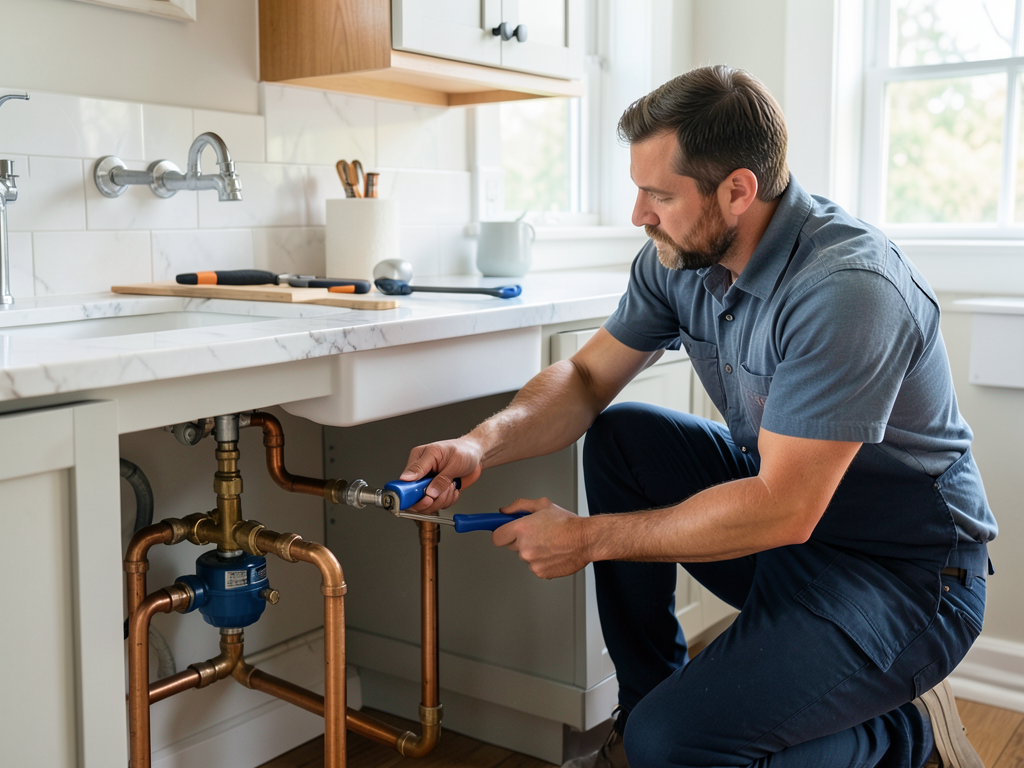
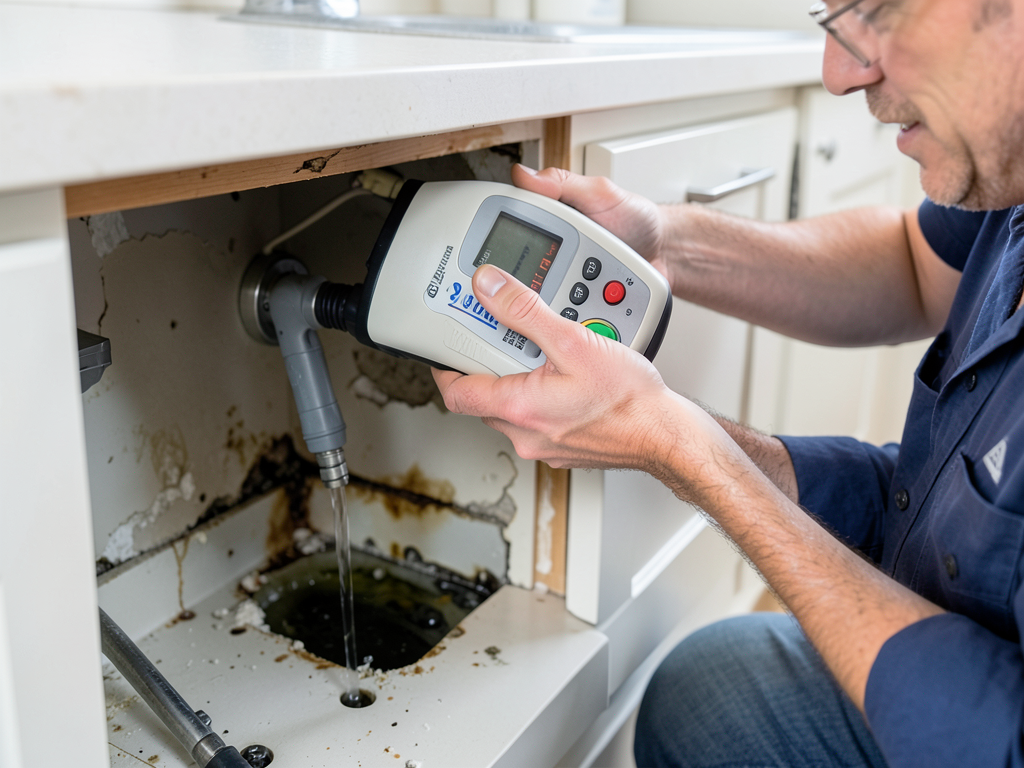
Begin your residential plumbing checkup list by walking through your home and examining visible fixtures and exposed pipes. Look for water stains on ceilings, walls, and under sinks. Check cabinet bases for warping or discoloration. Test faucets for smooth operation and consistent temperature control. Listen for unusual sounds like whistling pipes or running water when fixtures are off. Document any anomalies with photos and note their locations for follow-up investigation.
02

Functional Performance Testing

Test each plumbing component's actual performance. Run all faucets simultaneously to check pressure drops. Flush toilets and watch for weak flushes or running water after the tank refills. Fill tubs and sinks, then watch how quickly they drain. Time your water heater's recovery rate after heavy use. Measure water pressure with a gauge at outdoor hose bibs. Check your water meter with all fixtures off to detect hidden leaks through continuous meter movement.
03

Documentation and Action Plan

Record all findings in a dated maintenance log. Prioritize issues by severity, placing active leaks and safety hazards at the top. Schedule immediate repairs for urgent problems. Plan preventative maintenance for components showing early wear signs. Update your home plumbing inspection list quarterly to track changes over time. This historical record helps identify patterns and predict when major components need replacement before they fail unexpectedly.

Why Virginia Beach Homeowners Trust Liberty Plumbing Virginia Beach for Inspection Services

Local expertise matters when evaluating plumbing systems in coastal Virginia. Liberty Plumbing Virginia Beach understands how saltwater exposure affects different pipe materials and fixture finishes. We know which neighborhoods have older galvanized supply lines prone to failure and where cast iron drain stacks are reaching end-of-life.

Our technicians recognize early corrosion patterns specific to Virginia Beach's water chemistry. City water contains chlorine and minerals that interact with plumbing materials in predictable ways. We catch these reactions before they cause leaks or contamination issues.

We follow Virginia's plumbing code requirements and understand local permit processes for major repairs or replacements. This knowledge prevents compliance problems that could affect your home's resale value or insurance coverage.

Virginia Beach's mix of older beach cottages and newer developments requires different inspection approaches. Historic homes in the North End often have outdated plumbing that needs careful evaluation for safety and functionality. Newer construction in Pungo might have installation defects covered by builder warranties that need documentation.

Our preventative plumbing maintenance checklist accounts for seasonal factors that affect Virginia Beach homes. We check crawl space ventilation before summer humidity peaks. We verify hose bib winterization before cold snaps arrive. We inspect sump pumps before hurricane season when heavy rains test drainage systems.

We provide detailed written reports after each inspection, documenting current conditions with photos and prioritized recommendations. These reports help you budget for upcoming repairs and provide valuable records for insurance claims or home sales.

Transparent communication sets us apart. We explain findings in plain language without using inspection results to pressure unnecessary services. You receive honest assessments that help you make informed decisions about your plumbing system's care.

What to Expect from a Professional Plumbing Inspection

Inspection Timeline and Scheduling

A comprehensive residential plumbing inspection typically takes two to four hours, depending on your home's size and system complexity. We schedule appointments at your convenience, including evenings and weekends. Same-day service is available for urgent concerns like suspected leaks or water quality issues. We arrive on time with all necessary diagnostic equipment, including cameras for drain line inspection, pressure gauges, and moisture meters. You receive a courtesy call when we're 30 minutes away so you can plan accordingly.

Comprehensive System Evaluation

Our plumbing system inspection guide covers every accessible component in your home. We examine supply lines, drain systems, water heaters, fixtures, shut-off valves, and outdoor plumbing. We test water pressure, check for cross-connections, verify proper venting, and inspect cleanout access points. Camera inspection of main drain lines identifies hidden blockages or damage. We test water quality for basic indicators like hardness and pH that affect pipe longevity. Each area receives methodical attention to ensure nothing gets overlooked during evaluation.

Detailed Written Report

You receive a comprehensive written report documenting all findings with photos and specific locations. We categorize issues by urgency: immediate safety concerns, repairs needed within 30 days, preventative maintenance recommendations, and long-term considerations. Each item includes a clear explanation of the problem, potential consequences if ignored, and repair options with scope descriptions. The report becomes a valuable reference for maintenance planning and provides documentation for insurance purposes or real estate transactions. Digital copies are available for easy sharing.

Ongoing Maintenance Support

After your initial inspection, we offer scheduled maintenance programs tailored to your home's needs and your budget. Annual or semi-annual checkups catch developing problems early and extend equipment lifespan. We maintain records of your plumbing system's history, tracking changes and predicting when major components will need replacement. Priority scheduling gives maintenance program members faster service during busy seasons. We send reminders when seasonal tasks are due, like winterizing outdoor faucets or flushing water heaters. This proactive approach prevents most emergency situations.

Frequently Asked Questions

You Have Questions,
We Have Answers

What does a plumbing inspection consist of? +

A plumbing inspection examines your entire water supply and drainage system. The inspector checks visible pipes for leaks, corrosion, and proper installation. They test water pressure, inspect fixtures like toilets and faucets, and examine water heaters for safety and efficiency. Drain lines get evaluated for clogs and proper venting. In Virginia Beach, inspectors pay close attention to corrosion from humidity and saltwater exposure, especially in coastal areas. They also check sump pumps and sewer connections, look for code violations, and assess the condition of shut-off valves. The goal is identifying problems before they cause expensive damage or safety hazards.

What are the 7 steps of the inspection process? +

The inspection process follows a systematic approach. First, the inspector reviews property records and previous reports. Second, they perform a visual assessment of accessible plumbing components. Third, they test water pressure and flow rates at multiple fixtures. Fourth, they examine drain systems using cameras or flow tests when needed. Fifth, they inspect the water heater for proper installation and safety features. Sixth, they check for code compliance with Virginia Beach building standards. Seventh, they document findings with photos and detailed notes, then provide a written report highlighting defects, safety concerns, and recommended repairs.

What are the 5 main items you should inspect for at a drain detail? +

At a drain detail, inspect the slope of drain pipes to ensure proper gravity flow. Check for proper venting to prevent siphoning and allow air circulation. Look for secure connections and proper sealing at joints to prevent leaks. Examine pipe material and condition, watching for corrosion or damage. Verify trap installation beneath fixtures to block sewer gases. In Virginia Beach, clay soil movement can shift drain lines over time, so inspectors also check for sagging or misalignment that could cause chronic clogs. Missing or improper cleanout access is another common issue that complicates future maintenance.

What are 5 very important things that are inspected in a home inspection? +

Five critical items in a home inspection include the roof condition and drainage system, which prevents water intrusion. The plumbing system gets checked for leaks, water pressure, and proper drainage. Electrical systems are inspected for safety hazards and code violations. Foundation integrity matters, especially in Virginia Beach where sandy soil and high water tables can cause settling. HVAC systems are tested for proper operation and efficiency. In coastal Virginia Beach homes, inspectors also scrutinize moisture issues, ventilation, and potential hurricane damage to structural components. These items represent the most expensive repair categories for homeowners.

How much should a plumbing inspection cost? +

Plumbing inspection costs vary based on property size and scope. A basic inspection for a standard home typically runs between 150 and 300 dollars. Larger homes or properties requiring specialized equipment like sewer camera inspections cost more. In Virginia Beach, coastal properties may need additional corrosion assessments. Pre-purchase inspections differ from maintenance inspections or specialized evaluations for older homes. The investment protects you from discovering expensive problems after closing. Many inspectors bundle plumbing with full home inspections, which can offer better value. Request itemized quotes and confirm what specific components and systems are included.

What is the biggest red flag in a home inspection? +

Active water damage or evidence of previous flooding is the biggest red flag. Water stains on ceilings, walls, or floors indicate ongoing leaks or inadequate drainage. In Virginia Beach, this is especially concerning due to high humidity, occasional flooding, and the potential for foundation issues in sandy soil. Mold growth, rotted wood, and rust on fixtures signal chronic moisture problems. Improperly repaired plumbing or DIY work that violates code raises concerns about hidden defects throughout the home. These issues indicate both immediate repair costs and potential structural damage that can escalate quickly if left unaddressed.

What should be included in an inspection checklist? +

An inspection checklist should include all water supply lines, checking for leaks, corrosion, and proper materials. Document all fixtures including toilets, sinks, showers, and outdoor spigots. Examine the water heater for age, capacity, and safety features. Test water pressure and drainage at multiple locations. Check shut-off valves for accessibility and function. Include sewer or septic system evaluation. In Virginia Beach, add items specific to coastal conditions like corrosion resistance and proper venting in humid climates. Document the condition of visible pipes, note any code violations, and photograph problem areas for the final report.

What are the 4 types of inspections? +

The four main inspection types are pre-purchase inspections, which evaluate a home before buying. Maintenance inspections occur periodically to catch problems early and extend system life. Code compliance inspections verify new work or renovations meet Virginia Beach building standards. Specialized inspections target specific concerns like sewer lines, well water quality, or older plumbing systems. Each type serves a different purpose. Pre-purchase inspections are comprehensive, while maintenance inspections focus on preventive care. Code inspections are mandatory for permits, and specialized inspections use advanced tools like cameras or water testing to diagnose particular issues.

What do you need in order to pass an inspection? +

To pass an inspection, your plumbing must meet current Virginia Beach building codes. All pipes must be properly supported, secured, and use approved materials. Fixtures need proper venting and drainage. Water pressure should fall within acceptable ranges. The water heater must have temperature and pressure relief valves, proper clearances, and secure connections. Shut-off valves should be accessible and functional. Drains must flow freely without leaks. In new construction or renovation work, exposed pipes must show proper grade, clean connections, and no visible damage. Address any violations noted in previous inspections before scheduling the final walkthrough.

How to prepare for a rough plumbing inspection? +

Before a rough plumbing inspection, ensure all supply and drain lines are installed per approved plans. Pipes must be properly supported with correct spacing between hangers. Clean debris from pipe interiors and cap all openings. Verify proper slope on drain lines for gravity flow. Install all required venting and ensure pipes are the correct diameter. In Virginia Beach, inspectors check that outdoor work accounts for frost depth and soil conditions. Mark critical components like cleanouts and shut-offs clearly. Have your permit paperwork ready and confirm the inspector can access all areas, including crawl spaces and attics.

How Virginia Beach's Coastal Climate Demands Specialized Plumbing Inspections

Virginia Beach's location on the Atlantic coast creates accelerated corrosion conditions that most inland plumbing inspection protocols miss. Saltwater aerosols carried by ocean breezes settle on exposed pipes, fixtures, and water heaters, particularly in homes near the oceanfront or Chesapeake Bay. This constant salt exposure attacks metal components faster than typical freshwater corrosion. Copper develops green patina and pinhole leaks years earlier than expected. Steel pipe hangers rust through, causing supply lines to sag. Even stainless steel fixtures show pitting if not regularly cleaned. A proper home plumbing inspection list for coastal Virginia must specifically examine these corrosion patterns and recommend protective measures like dielectric unions and corrosion-resistant materials during replacements.

Virginia Beach's building codes and inspection requirements reflect our unique coastal environment, but many national plumbing checklists ignore these local specifics. Our region requires specific practices for homes in flood zones, which cover significant portions of the city near water bodies and low-lying areas. Understanding these local regulations prevents compliance issues during repairs or renovations. Virginia Beach also has specific backflow prevention requirements for irrigation systems due to saltwater intrusion risks in our aquifer. Local plumbers who regularly work with city inspectors understand these nuances and can identify violations that out-of-area contractors miss. This local expertise protects your investment and ensures your plumbing system meets all municipal standards.
Plumbing Services in The Virginia Beach Area

While our expert technicians are always on the move, serving every corner of the community, you can use the map below to confirm our central location and service radius. We are proud to be a dedicated local business, committed to providing prompt, professional service wherever you are within the greater Virginia Beach area. We look forward to receiving your call and demonstrating our trustworthy service firsthand.

Address:
Liberty Plumbing Virginia Beach, 780 Lynnhaven Pkwy, Virginia Beach, VA, 23452

Additional Services We Offer

Our news updates

Latest Articles & News from The Blogs

Why Your Large Colonial Home in Great Neck Takes Forever to Get Hot Water Living in a spacious Great Neck…

Why Your Large Colonial Home in Great Neck Takes Forever to Get Hot Water

Why Your Large Colonial Home in Great Neck Takes Forever to Get Hot Water Living in a spacious Great Neck…

The Hidden Dangers of Mold Growth Under Sinks in Humid London Bridge Neighborhoods

The Hidden Dangers of Mold Growth Under Sinks in Humid London Bridge Neighborhoods Virginia Beach's coastal humidity creates the perfect…

How to Install an Outdoor Pet Wash Station for Your Active North End Beach Dog

How to Install an Outdoor Pet Wash Station for Your Active North End Beach Dog Installing an outdoor pet wash…

Contact Us

Protect your Virginia Beach home from costly plumbing failures. Call Liberty Plumbing Virginia Beach at (948) 207-0600 to schedule your comprehensive system inspection. Our local experts identify problems before they become emergencies, saving you money and stress.