
Why Your Sink Overflow Hole Smells (and Why You Should Clean It)
Have you noticed a persistent musty odor coming from your bathroom or kitchen sink even after a thorough cleaning? That foul smell likely originates from the hidden overflow hole located near the top of your sink basin. This small opening, designed to prevent flooding if the drain gets blocked, often becomes a breeding ground for bacteria, mold, and biofilm due to its dark, damp environment.
In Virginia Beach homes, the high coastal humidity accelerates microbial growth inside these overflow channels. The combination of warm temperatures and moisture creates perfect conditions for odor-causing bacteria to multiply rapidly. Many homeowners scrub their visible sink surfaces repeatedly but never address this hidden problem, allowing the smell to return within days. Keep your Chic’s Beach basement dry with a new sump pump installation.
The overflow hole connects directly to your sink’s drain system through a small channel. When debris, toothpaste residue, soap scum, and hair accumulate here, they create a thick biofilm that traps moisture and produces that characteristic sour smell. This isn’t just unpleasant it can also affect your indoor air quality and indicate potential plumbing issues developing beneath the surface. Plumbing Newport News.
Cleaning this neglected area requires specific tools and techniques that reach deep into the overflow channel where standard cleaning methods fail. The process takes about 15-30 minutes and uses items you likely already have at home. However, understanding what’s happening inside that hidden passage helps you clean it effectively and prevent future buildup.
Virginia Beach’s water contains moderate mineral content that contributes to scale formation inside plumbing fixtures. This mineral buildup, combined with the region’s high humidity levels, means local homeowners need to clean their overflow holes more frequently than those in drier climates. The good news is that with the right approach, you can eliminate these odors permanently and keep your sink smelling fresh. Hard water solutions for Pungo properties using well water.
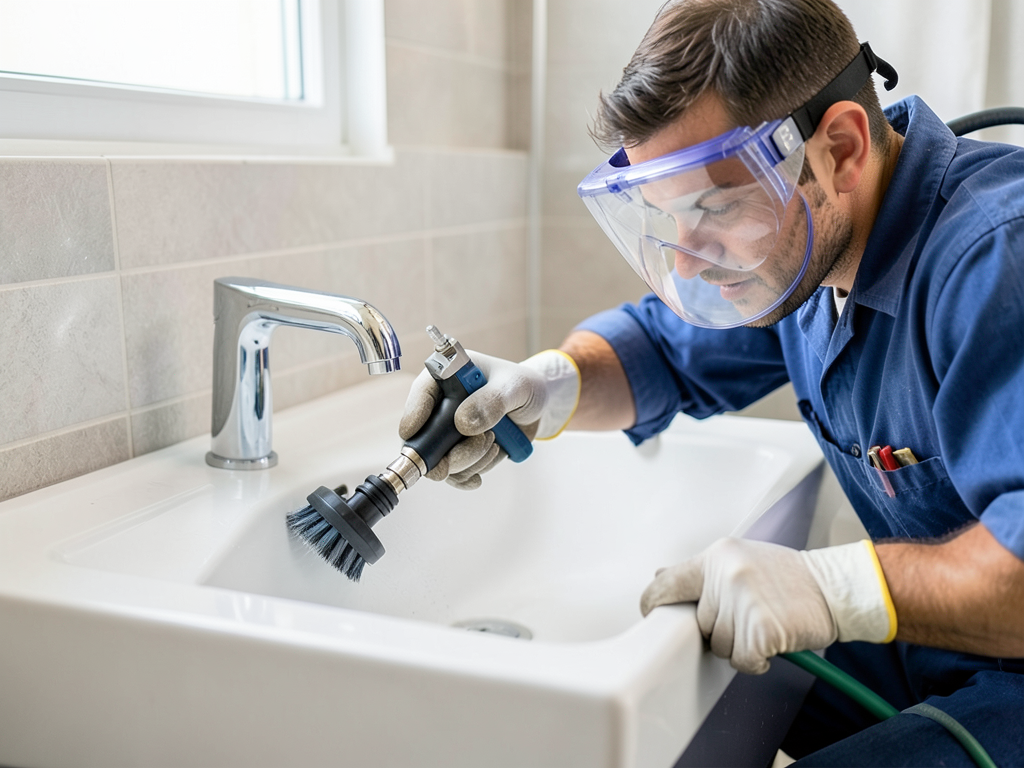
Essential Tools for Cleaning a Sink Overflow
Before starting the cleaning process, gather these specific tools that make the job effective. You’ll need a small funnel that fits into the overflow opening, a flexible cleaning brush with stiff bristles about 12-18 inches long, and a container of boiling water. A spray bottle filled with white vinegar works excellently for initial treatment, while baking soda serves as a gentle abrasive cleaner.
For tougher buildup, consider an enzymatic drain cleaner specifically formulated for sink overflows. These products contain bacteria that digest organic matter without harsh chemicals. You’ll also want rubber gloves to protect your hands, eye protection since you’ll be working with cleaning solutions, and an old toothbrush for detail work around the edges.
Avoid using metal tools that could scratch your sink’s finish or damage the overflow channel. The channel is typically made of the same material as your sink and can be scratched by metal objects. Instead, use plastic or nylon brushes designed for plumbing applications. A turkey baster or syringe can help apply cleaning solutions precisely where needed.
Keep a clean cloth or paper towels nearby to wipe up any spills. The cleaning process involves pouring liquids that may overflow from the channel, so work slowly and have cleanup materials ready. If your sink has a pop-up drain stopper, you may need to remove it temporarily to access the overflow channel fully.
Store all cleaning supplies together in a small caddy for future maintenance. Regular cleaning of the overflow hole prevents severe buildup and reduces cleaning time. Most Virginia Beach homeowners find that monthly maintenance keeps their sinks odor-free, though homes with hard water may need more frequent attention.
Method 1: The Baking Soda and Vinegar Flush (Eco-Friendly)
This natural cleaning method uses the chemical reaction between baking soda and vinegar to break down organic buildup inside the overflow channel. Start by pouring one cup of baking soda directly into the overflow hole using your small funnel. Let it sit for about five minutes to begin absorbing odors and loosening debris.
Meanwhile, heat two cups of white vinegar until warm but not boiling. The warm temperature enhances the cleaning reaction. Slowly pour the vinegar into the overflow hole where you placed the baking soda. You’ll immediately see foaming as the acidic vinegar reacts with the alkaline baking soda, creating carbon dioxide bubbles that help dislodge buildup.
Allow this mixture to work for 15-20 minutes. During this time, the foaming action pushes through the overflow channel, breaking apart biofilm and mineral deposits. The vinegar’s acidity dissolves hard water scale while the baking soda’s abrasive properties help scrub the channel walls.
After the reaction subsides, flush the channel with boiling water poured slowly through the funnel. The hot water rinses away loosened debris and kills remaining bacteria. Be careful with the boiling water and pour slowly to avoid splashing. This step also helps melt any soap scum or grease that the chemical reaction loosened.
Repeat this process if you notice significant debris still coming out during the flush. Some severe cases may require two or three applications. The baking soda and vinegar method works best for routine maintenance and mild to moderate buildup. For Virginia Beach homes with hard water issues, this method may need monthly application to prevent scale formation.
Always test this method on a small area first if you have concerns about your sink’s finish. While baking soda and vinegar are generally safe for all sink materials, some specialty finishes may react differently. The natural approach eliminates harsh chemical exposure and is safe for homes with septic systems.
Method 2: Using an Enzymatic Cleaner for Tough Biofilm
When natural methods don’t fully eliminate odors, enzymatic cleaners offer a powerful solution that continues working long after application. These specialized products contain beneficial bacteria and enzymes that digest organic matter inside the overflow channel. Unlike chemical cleaners that only treat symptoms, enzymatic cleaners address the root cause by breaking down the biofilm structure.
Choose an enzymatic cleaner specifically labeled for drain and overflow applications. These products typically come in liquid form and require dilution according to package directions. Pour the diluted solution into the overflow hole using your funnel, ensuring it reaches deep into the channel where bacteria thrive.
The key advantage of enzymatic cleaners is their ability to work over time. After application, the beneficial bacteria continue multiplying and consuming organic debris for up to 48 hours. This extended action means you may not see immediate dramatic results, but the long-term effectiveness surpasses chemical treatments.
For Virginia Beach homes dealing with persistent mold issues due to high humidity, enzymatic cleaners provide an ongoing defense. The bacteria establish themselves in the overflow channel and help prevent future biofilm formation. This makes them ideal for homes where the odor returns quickly after traditional cleaning.
Apply enzymatic cleaner during evening hours when the sink won’t be used for several hours. This allows maximum contact time for the bacteria to work. Avoid using the sink for at least six hours after application, and preferably overnight. The bacteria need time to establish colonies and begin breaking down the organic matter.
Most enzymatic cleaners are safe for all plumbing systems, including septic tanks. They’re environmentally friendly and won’t harm your local watershed like chemical alternatives. However, they work more slowly than harsh chemicals, so patience is required. The results are worth the wait, as they provide longer-lasting odor control.
Step-by-Step Instructions: Using a Pipe Brush for Manual Scrubbing
Manual scrubbing with a specialized pipe brush provides the most thorough cleaning for stubborn overflow channels. Start by removing any visible debris from the overflow hole using tweezers or needle-nose pliers. This initial step allows your brush to reach deeper into the channel without obstruction.
Insert your flexible pipe brush into the overflow hole, rotating it slowly as you push it deeper into the channel. The brush should extend at least 12 inches to reach the connection point with the main drain. Work the brush in a circular motion, applying gentle pressure to scrub the channel walls without forcing it too aggressively.
You’ll feel resistance as the brush encounters buildup. Continue rotating and pushing until you feel the brush move more freely, indicating you’ve broken through the worst of the obstruction. Pull the brush out slowly, wiping it on a paper towel between passes to check for debris removal progress.
Repeat the brushing process several times, rinsing the brush between passes. Pay special attention to the area where the overflow channel connects to the main drain, as this junction often accumulates the most buildup. The brush bristles should dislodge biofilm, mineral deposits, and any trapped debris.
After brushing, flush the channel with boiling water to rinse away loosened material. Follow this with your chosen cleaning solution vinegar for natural cleaning or enzymatic cleaner for stubborn cases. The manual scrubbing creates channels for cleaning solutions to penetrate deeper than they could on their own.
Finish by running hot water through the main sink drain for several minutes. This flushes the entire system and ensures any debris that entered the main drain gets washed away. The combination of manual scrubbing and chemical cleaning provides the most comprehensive overflow channel cleaning available without professional equipment.
[IMAGE_PLACEHOVER_2]
Safety First: What Never to Put Down Your Overflow Hole
Understanding what chemicals never to mix is crucial for safe overflow cleaning. Never combine bleach with vinegar or other acidic cleaners, as this creates toxic chlorine gas. The reaction between these substances can cause serious respiratory damage and eye irritation. Similarly, mixing bleach with ammonia produces chloramine vapors that are extremely dangerous.
Avoid using drain cleaning crystals or powders in the overflow hole. These products are designed for main drain lines and can create excessive heat when they react with water. The confined space of an overflow channel amplifies this heat, potentially damaging your sink or plumbing connections. The concentrated chemicals can also splash back during application.
Never use a wire hanger or metal tools to probe the overflow channel. These can scratch the sink’s finish, damage the channel lining, or get stuck inside the narrow passage. The metal can also react with cleaning chemicals to produce harmful compounds. Stick to plastic or nylon brushes specifically designed for plumbing applications.
Be cautious with boiling water around porcelain sinks, as extreme temperature changes can cause cracking. Always pour boiling water slowly and avoid direct contact with the sink basin. For cast iron or fireclay sinks, temperature shock is less of a concern, but gradual heating is still safer for all materials.
Wear protective equipment including rubber gloves and eye protection when working with any cleaning solutions. Even natural products like vinegar can cause eye irritation, and boiling water poses burn risks. Work in a well-ventilated area, especially when using commercial cleaners or when multiple cleaning products are involved.
Keep children and pets away from the work area during cleaning. Many cleaning products, even natural ones, can be harmful if ingested or if they contact skin. Store all cleaning supplies securely after use, and never leave cleaning solutions unattended in the sink where they might be accidentally activated.
Document any unusual findings during cleaning, such as black sludge, unusual odors, or visible damage to the channel. These could indicate larger plumbing issues requiring professional attention. If you encounter persistent problems despite thorough cleaning, the issue may lie deeper in your plumbing system rather than in the overflow channel itself.
When to Call a Virginia Beach Plumbing Professional
While most overflow cleaning tasks are DIY-friendly, certain situations require professional intervention. If you notice black, slimy buildup that persists after multiple cleaning attempts, this could indicate a more serious biofilm problem within your main drain lines. Professional plumbers have specialized equipment to clean these deeper issues safely.
Persistent sewer odors from your sink, even after thorough overflow cleaning, suggest problems with your P-trap or vent stack. The P-trap should maintain a water seal that blocks sewer gases from entering your home. If this seal is broken or if the vent stack is blocked, you’ll need professional diagnosis and repair. EPA information on indoor air quality.
Virginia Beach’s coastal environment creates unique plumbing challenges. Salt air accelerates corrosion in older plumbing systems, and the high water table can affect drain line function. If your home is near the Chesapeake Bay or in flood-prone areas like Sandbridge, professional inspection ensures your plumbing system handles these environmental stresses properly.
Signs of water damage around your sink base or cabinet indicate leaks that cleaning won’t fix. These could stem from cracked overflow channels, loose connections, or deteriorating seals. Water damage can lead to mold growth within walls, requiring immediate professional attention to prevent structural damage and health hazards.
If you experience simultaneous problems with multiple sinks or drains, the issue likely extends beyond individual overflow channels. This could indicate main sewer line problems, venting issues, or municipal sewer system complications. Virginia Beach residents should be particularly aware of how heavy rains affect local sewer infrastructure. Why Great Neck residents trust our team for trenchless sewer line repairs.
Professional plumbers can also identify whether your persistent odor issues relate to your home’s age and construction. Many Virginia Beach homes built before the 1980s have plumbing systems that don’t meet current standards. A professional inspection can reveal whether upgrades would improve your home’s plumbing performance and prevent future problems.
Liberty Plumbing Virginia Beach offers 24/7 emergency service for situations where overflow problems indicate larger plumbing emergencies. Our licensed technicians understand local building codes and the specific challenges of coastal plumbing systems. Don’t wait until a small overflow issue becomes a major plumbing failure.
Frequently Asked Questions About Sink Maintenance
How often should I clean my sink overflow hole?
For most Virginia Beach homes, cleaning the overflow hole monthly prevents odor buildup and maintains fresh-smelling sinks. Homes with hard water or high humidity may need cleaning every two weeks. Regular maintenance takes less time than addressing severe buildup and prevents the need for harsh chemical treatments.
Can I use bleach to clean the overflow hole?
While bleach kills bacteria, it’s not recommended for overflow cleaning due to safety concerns and environmental impact. Bleach can damage certain sink finishes and creates toxic gases when mixed with other common household cleaners. Natural alternatives like vinegar and baking soda are equally effective and much safer for regular use.
What causes the black slime in my overflow channel?
The black slime is a combination of bacteria, mold, and biofilm that forms in the dark, moist environment of the overflow channel. This growth accelerates in Virginia Beach’s humid climate and feeds on organic matter from toothpaste, soap, and other bathroom products that pass through the channel.
Will cleaning the overflow hole fix a slow-draining sink?
Cleaning the overflow hole addresses odors but won’t fix a slow-draining sink if the main drain line is clogged. However, severe buildup in the overflow channel can sometimes contribute to drainage issues. If cleaning doesn’t improve drainage, the problem likely lies in the P-trap or main drain line.
Are enzymatic cleaners safe for septic systems?
Yes, enzymatic cleaners are specifically designed to be safe for septic systems. They contain beneficial bacteria that actually support septic system function by breaking down organic waste. Unlike harsh chemical cleaners that can kill the beneficial bacteria in your septic tank, enzymatic cleaners enhance the natural decomposition process.
How do I know if my overflow channel is damaged?
Signs of overflow channel damage include persistent leaks around the sink rim, water stains on the cabinet below, or visible cracks in the sink material near the overflow hole. If cleaning doesn’t resolve odor issues or if you notice water damage, professional inspection can determine if channel replacement is necessary.
Can hard water affect my overflow cleaning routine?
Absolutely. Virginia Beach’s moderate hard water accelerates mineral buildup in plumbing fixtures, including overflow channels. Hard water deposits create rough surfaces where biofilm adheres more readily. Homes with hard water may need more frequent cleaning and might benefit from periodic descaling treatments using vinegar or commercial lime scale removers.
What’s the difference between an overflow hole and an air gap?
An overflow hole prevents sink flooding by allowing water to drain when the main drain is blocked. An air gap is a plumbing device that prevents contaminated water from siphoning back into your clean water supply. While both involve water safety, they serve different purposes in your plumbing system.
Should I clean the overflow hole if I never use the sink?
Yes, even unused sinks need overflow maintenance. The humid Virginia Beach climate promotes microbial growth regardless of usage. Additionally, unused plumbing fixtures can develop dry P-traps that allow sewer gases to enter your home. Regular cleaning and occasional water flow through all fixtures prevents these issues.
Can overflow problems affect my home’s resale value?
Persistent plumbing odors and visible maintenance issues can negatively impact home inspections and buyer perceptions. Well-maintained plumbing systems signal to buyers that a home has been properly cared for. Addressing overflow issues before listing your home can prevent negotiation complications during the sales process.
- Gather Your Supplies
Collect a funnel, flexible pipe brush, baking soda, vinegar, boiling water, rubber gloves, and eye protection. Having everything ready makes the process efficient and prevents mid-task interruptions.
- Initial Debris Removal
Use tweezers to remove any visible debris from the overflow hole. This allows your cleaning tools to reach deeper into the channel without obstruction.
- Apply Baking Soda
Pour one cup of baking soda into the overflow hole using your funnel. Let it sit for five minutes to begin absorbing odors and loosening debris.
- Add Vinegar Solution
Slowly pour warm vinegar into the overflow hole where you placed baking soda. Watch for foaming action that indicates the cleaning reaction is working.
- Manual Scrubbing
Insert your flexible pipe brush and rotate it while pushing deeper into the channel. Scrub thoroughly to dislodge stubborn buildup.
- Flush with Boiling Water
Pour boiling water slowly through the funnel to rinse away loosened debris and kill remaining bacteria. Be careful to avoid splashing.
- Final Rinse and Inspection
Run hot water through the main sink drain for several minutes. Check for any remaining odors or debris, and repeat cleaning if necessary.
Call (948) 207-0600 Today to Schedule Your Inspection
Don’t let a simple overflow hole problem turn into a major plumbing emergency. If you’ve tried cleaning your sink overflow multiple times without success, or if you notice signs of water damage around your sink, it’s time to call the professionals. Liberty Plumbing Virginia Beach has been serving the Hampton Roads area for over 15 years, handling everything from routine maintenance to complex plumbing emergencies.
Our licensed technicians understand the unique challenges Virginia Beach homeowners face with high humidity, hard water, and coastal plumbing systems. We use professional-grade equipment that reaches deeper than DIY methods can access, ensuring your plumbing problems are solved at the source rather than just treating symptoms.
Whether you need emergency service for a burst pipe in your Little Neck home or routine maintenance to prevent future problems, we’re available 24/7 to help. Our upfront pricing and satisfaction guarantee mean you’ll never face surprise costs or incomplete repairs. We treat your home with the same respect we’d give our own, leaving your space clean and your plumbing working perfectly. What to do when you have a burst pipe in your Little Neck home.
Pick up the phone and call (948) 207-0600 before the next storm hits or that small overflow issue becomes a major headache. Our team is ready to diagnose your problem, explain your options clearly, and get your plumbing back to peak performance. Don’t wait until that foul odor becomes a full-blown plumbing emergency Virginia Beach trusts Liberty Plumbing for fast, reliable service when it matters most.
Remember, proper sink maintenance prevents costly repairs down the road. But when DIY methods fall short, professional help is just a phone call away. Contact Liberty Plumbing Virginia Beach at (948) 207-0600 and experience the difference that 15+ years of local expertise makes in solving your plumbing problems quickly and effectively. For more information, visit CDC guidelines for plumbing hygiene.
{
“@context”: “https://schema.org”,
“@type”: “BlogPosting”,
“headline”: “How to Properly Clean That Hidden Overflow Hole in Your Brigadoon Sink”,
“description”: “Stop that foul sink odor. Learn Virginia Beach-specific methods to clean your sink overflow hole using safe tools and eco-friendly solutions from local pros.”,
“wordCount”: 3357,
“datePublished”: “2026-04-06T11:14:00.000Z”,
“dateModified”: “2026-04-06T11:14:00.000Z”,
“inLanguage”: “en-US”,
“mainEntityOfPage”: {
“@type”: “WebPage”,
“@id”: “https://libertyplumbingvirginiabeach.com”
},
“publisher”: {
“@type”: “LocalBusiness”,
“name”: “Liberty Plumbing Virginia Beach”,
“url”: “https://libertyplumbingvirginiabeach.com”
},
“author”: {
“@type”: “Organization”,
“name”: “Liberty Plumbing Virginia Beach”,
“url”: “https://libertyplumbingvirginiabeach.com”
},
“image”: {
“@type”: “ImageObject”,
“url”: “https://libertyplumbingvirginiabeach.com/wp-content/uploads/2026/03/how-to-properly-clean-that-hidden-overflow-hole-in-1.png”
}
}
{
“@context”: “https://schema.org”,
“@type”: “Plumber”,
“name”: “Liberty Plumbing Virginia Beach”,
“url”: “https://libertyplumbingvirginiabeach.com”,
“address”: {
“@type”: “PostalAddress”,
“addressLocality”: “Virginia Beach”
},
“areaServed”: {
“@type”: “City”,
“name”: “Virginia Beach”
}
}
{
“@context”: “https://schema.org”,
“@type”: “FAQPage”,
“mainEntity”: [
{
“@type”: “Question”,
“name”: “How often should I clean my sink overflow hole?”,
“acceptedAnswer”: {
“@type”: “Answer”,
“text”: “For most Virginia Beach homes, cleaning the overflow hole monthly prevents odor buildup and maintains fresh-smelling sinks. Homes with hard water or high humidity may need cleaning every two weeks. Regular maintenance takes less time than addressing severe buildup and prevents the need for harsh chemical treatments.”
}
},
{
“@type”: “Question”,
“name”: “Can I use bleach to clean the overflow hole?”,
“acceptedAnswer”: {
“@type”: “Answer”,
“text”: “While bleach kills bacteria, it’s not recommended for overflow cleaning due to safety concerns and environmental impact. Bleach can damage certain sink finishes and creates toxic gases when mixed with other common household cleaners. Natural alternatives like vinegar and baking soda are equally effective and much safer for regular use.”
}
},
{
“@type”: “Question”,
“name”: “What causes the black slime in my overflow channel?”,
“acceptedAnswer”: {
“@type”: “Answer”,
“text”: “The black slime is a combination of bacteria, mold, and biofilm that forms in the dark, moist environment of the overflow channel. This growth accelerates in Virginia Beach’s humid climate and feeds on organic matter from toothpaste, soap, and other bathroom products that pass through the channel.”
}
},
{
“@type”: “Question”,
“name”: “Will cleaning the overflow hole fix a slow-draining sink?”,
“acceptedAnswer”: {
“@type”: “Answer”,
“text”: “Cleaning the overflow hole addresses odors but won’t fix a slow-draining sink if the main drain line is clogged. However, severe buildup in the overflow channel can sometimes contribute to drainage issues. If cleaning doesn’t improve drainage, the problem likely lies in the P-trap or main drain line.”
}
},
{
“@type”: “Question”,
“name”: “Are enzymatic cleaners safe for septic systems?”,
“acceptedAnswer”: {
“@type”: “Answer”,
“text”: “Yes, enzymatic cleaners are specifically designed to be safe for septic systems. They contain beneficial bacteria that actually support septic system function by breaking down organic waste. Unlike harsh chemical cleaners that can kill the beneficial bacteria in your septic tank, enzymatic cleaners enhance the natural decomposition process.”
}
},
{
“@type”: “Question”,
“name”: “How do I know if my overflow channel is damaged?”,
“acceptedAnswer”: {
“@type”: “Answer”,
“text”: “Signs of overflow channel damage include persistent leaks around the sink rim, water stains on the cabinet below, or visible cracks in the sink material near the overflow hole. If cleaning doesn’t resolve odor issues or if you notice water damage, professional inspection can determine if channel replacement is necessary.”
}
},
{
“@type”: “Question”,
“name”: “Can hard water affect my overflow cleaning routine?”,
“acceptedAnswer”: {
“@type”: “Answer”,
“text”: “Absolutely. Virginia Beach’s moderate hard water accelerates mineral buildup in plumbing fixtures, including overflow channels. Hard water deposits create rough surfaces where biofilm adheres more readily. Homes with hard water may need more frequent cleaning and might benefit from periodic descaling treatments using vinegar or commercial lime scale removers.”
}
},
{
“@type”: “Question”,
“name”: “What’s the difference between an overflow hole and an air gap?”,
“acceptedAnswer”: {
“@type”: “Answer”,
“text”: “An overflow hole prevents sink flooding by allowing water to drain when the main drain is blocked. An air gap is a plumbing device that prevents contaminated water from siphoning back into your clean water supply. While both involve water safety, they serve different purposes in your plumbing system.”
}
},
{
“@type”: “Question”,
“name”: “Should I clean the overflow hole if I never use the sink?”,
“acceptedAnswer”: {
“@type”: “Answer”,
“text”: “Yes, even unused sinks need overflow maintenance. The humid Virginia Beach climate promotes microbial growth regardless of usage. Additionally, unused plumbing fixtures can develop dry P-traps that allow sewer gases to enter your home. Regular cleaning and occasional water flow through all fixtures prevents these issues.”
}
},
{
“@type”: “Question”,
“name”: “Can overflow problems affect my home’s resale value?”,
“acceptedAnswer”: {
“@type”: “Answer”,
“text”: “Persistent plumbing odors and visible maintenance issues can negatively impact home inspections and buyer perceptions. Well-maintained plumbing systems signal to buyers that a home has been properly cared for. Addressing overflow issues before listing your home can prevent negotiation complications during the sales process.”
}
}
]
}
{
“@context”: “https://schema.org”,
“@type”: “HowTo”,
“name”: “How to Clean Your Sink Overflow Hole”,
“step”: [
{
“@type”: “HowToStep”,
“position”: 1,
“name”: “Gather Your Supplies”,
“text”: “Collect a funnel, flexible pipe brush, baking soda, vinegar, boiling water, rubber gloves, and eye protection. Having everything ready makes the process efficient and prevents mid-task interruptions.”
},
{
“@type”: “HowToStep”,
“position”: 2,
“name”: “Initial Debris Removal”,
“text”: “Use tweezers to remove any visible debris from the overflow hole. This allows your cleaning tools to reach deeper into the channel without obstruction.”
},
{
“@type”: “HowToStep”,
“position”: 3,
“name”: “Apply Baking Soda”,
“text”: “Pour one cup of baking soda into the overflow hole using your funnel. Let it sit for five minutes to begin absorbing odors and loosening debris.”
},
{
“@type”: “HowToStep”,
“position”: 4,
“name”: “Add Vinegar Solution”,
“text”: “Slowly pour warm vinegar into the overflow hole where you placed baking soda. Watch for foaming action that indicates the cleaning reaction is working.”
},
{
“@type”: “HowToStep”,
“position”: 5,
“name”: “Manual Scrubbing”,
“text”: “Insert your flexible pipe brush and rotate it while pushing deeper into the channel. Scrub thoroughly to dislodge stubborn buildup.”
},
{
“@type”: “HowToStep”,
“position”: 6,
“name”: “Flush with Boiling Water”,
“text”: “Pour boiling water slowly through the funnel to rinse away loosened debris and kill remaining bacteria. Be careful to avoid splashing.”
},
{
“@type”: “HowToStep”,
“position”: 7,
“name”: “Final Rinse and Inspection”,
“text”: “Run hot water through the main sink drain for several minutes. Check for any remaining odors or debris, and repeat cleaning if necessary.”
}
],
“image”: “https://libertyplumbingvirginiabeach.com/wp-content/uploads/2026/03/how-to-properly-clean-that-hidden-overflow-hole-in-1.png”
}
{
“@context”: “https://schema.org”,
“@type”: “BreadcrumbList”,
“itemListElement”: [
{
“@type”: “ListItem”,
“position”: 1,
“name”: “Home”,
“item”: “https://libertyplumbingvirginiabeach.com”
},
{
“@type”: “ListItem”,
“position”: 2,
“name”: “Blog”,
“item”: “https://libertyplumbingvirginiabeach.com/blog”
},
{
“@type”: “ListItem”,
“position”: 3,
“name”: “How to Properly Clean That Hidden Overflow Hole in Your Brigadoon Sink”
}
]
}
{
“@context”: “https://schema.org”,
“@type”: “Service”,
“serviceType”: “Plumbing”,
“provider”: {
“@type”: “LocalBusiness”,
“name”: “Liberty Plumbing Virginia Beach”,
“url”: “https://libertyplumbingvirginiabeach.com”
},
“areaServed”: {
“@type”: “City”,
“name”: “Virginia Beach”
},
“description”: “Stop that foul sink odor. Learn Virginia Beach-specific methods to clean your sink overflow hole using safe tools and eco-friendly solutions from local pros.”
}