
Common Plumbing Layout Mistakes to Avoid During Your Bayside Kitchen Remodel
Planning a kitchen remodel in Bayside Virginia Beach requires careful attention to plumbing layout to prevent expensive mistakes. The humid coastal climate and aging infrastructure create unique challenges that can turn your dream renovation into a costly nightmare if not properly addressed from the start. Virginia Beach building permits.
Understanding the common pitfalls before you begin can save you thousands of dollars and weeks of delays. From proper venting requirements to water line placement every decision affects your kitchen’s functionality and long-term durability in Virginia Beach’s coastal environment. Virginia Uniform Statewide Building Code.
Understanding Your Bayside Kitchen’s Plumbing Foundation
Bayside homes built before 2000 often have galvanized steel pipes that corrode from the inside out. The salt air from nearby Chesapeake Bay accelerates this deterioration creating low water pressure and rusty water that stains new fixtures. Before finalizing your kitchen design have a licensed plumber inspect your existing pipes with a camera to assess their condition. Hard water solutions for Pungo properties using well water.
Many Bayside properties sit on sandy soil that shifts during heavy rains causing pipe joints to separate. This means relocating fixtures even a few feet can require extensive re-piping if the original lines are compromised. The cost of moving a sink often exceeds the cost of installing new supply lines if the existing ones are near failure.
Common Layout Mistakes That Cost Thousands
Placing the dishwasher too far from the sink creates long drain runs that clog frequently. The dishwasher needs to be within 6 feet of the sink trap for proper drainage. Many homeowners discover this limitation after cabinets are ordered leading to expensive last-minute modifications. Drain Cleaning & Rooter Service.
Ignoring the kitchen work triangle principle wastes steps and creates traffic jams. The sink refrigerator and cooktop should form a triangle with each leg between 4 and 9 feet. Breaking this rule means your kitchen will feel cramped even if it looks spacious in the showroom.. Read more about Why Your Kitchen Sink Sprayer Keeps Sticking (And How to Fix It Once and For All).
Underestimating garbage disposal requirements is another common error. Bayside homes often need 3/4 HP or larger units due to stringy vegetables from local gardens and seafood waste. A standard 1/2 HP disposal jams constantly when grinding crab shells or corn husks common in Virginia Beach kitchens. Keep your Chic’s Beach basement dry with a new sump pump installation.
Virginia Beach Building Codes and Permit Requirements
The Virginia Uniform Statewide Building Code requires permits for any plumbing work that moves fixtures or changes pipe sizes. Bayside specifically falls under Virginia Beach’s jurisdiction which means submitting detailed plans showing fixture locations pipe sizes and vent configurations. Missing this step can result in stop-work orders and double permit fees. Plumbing Newport News.
Local codes mandate that all kitchen islands with sinks must have proper venting through the roof or use an approved island vent system. The Island Fix method is common in Bayside where traditional roof venting is impractical due to attic configurations. This requires specific fittings that cost more than standard vents but prevent sewer gas from entering your home.
Backflow prevention devices are required for homes with irrigation systems or pools. The device must be installed above ground and tested annually by a certified technician. Many Bayside homeowners discover this requirement during final inspections causing delays in move-in dates.
Water Quality Issues Specific to Hampton Roads
Bayside’s water contains high levels of dissolved minerals creating hard water that damages fixtures and appliances. The local water authority reports hardness levels between 7-11 grains per gallon which is considered hard to very hard. This means your new faucet will develop mineral buildup within months without proper treatment.
Sediment from the Chesapeake Bay watershed enters the municipal supply especially after heavy rains. This fine silt clogs aerators and damages water heater elements. Installing a whole-house sediment filter before your kitchen remodel protects your investment in new fixtures and appliances.
Chlorine levels in Virginia Beach water are higher than national averages to combat bacteria in the aging distribution system. This chemical reacts with rubber seals and plastic components shortening the lifespan of your new plumbing fixtures. Using chlorine-resistant materials costs more upfront but prevents callbacks within the warranty period.
Pipe Material Selection for Coastal Environments
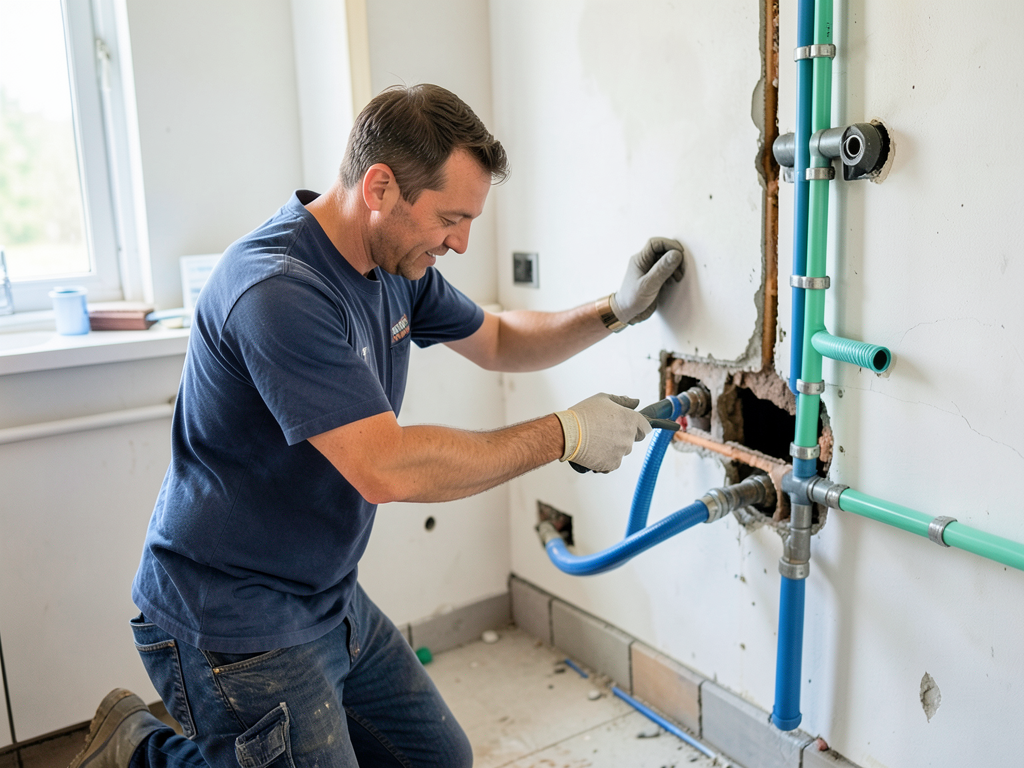
PEX piping has become the standard for kitchen remodels in Bayside due to its flexibility and resistance to corrosion. Unlike copper PEX doesn’t develop pinhole leaks from the acidic soil conditions common in coastal Virginia. The material expands slightly if frozen preventing burst pipes during rare cold snaps. What to do when you have a burst pipe in your Little Neck home.
Cross-linked polyethylene withstands the temperature fluctuations in uninsulated crawl spaces where many Bayside homes have their plumbing. The material’s flexibility allows it to bend around obstacles without joints reducing potential leak points. However PEX cannot be used directly connected to water heaters and requires special fittings.
Copper remains popular for its longevity and antimicrobial properties but requires careful installation in Bayside’s environment. The salt air accelerates oxidation creating a blue-green patina that some homeowners find unattractive. Using type L copper with proper insulation extends the life of exposed pipes by 15-20 years compared to standard installations.
Island Plumbing Challenges and Solutions
Kitchen islands create unique plumbing challenges in Bayside homes where slab foundations are common. Running water and drain lines under a concrete slab requires jackhammering that costs $500-800 per linear foot. Many homeowners opt for above-floor plumbing systems that use pumps to move waste to existing drain lines.
Island sinks require special venting that prevents gurgling and slow drainage. The traditional method involves running a vent pipe through the floor to the ceiling below then connecting to the main vent stack. This often means cutting into finished ceilings in family rooms or basements adding unexpected costs.
Electrical codes require GFCI protection for all island outlets and dedicated circuits for disposals and dishwashers. The electrical rough-in must be completed before plumbing rough-in creating scheduling challenges. Many Bayside contractors recommend completing electrical work first to avoid damaging new plumbing during wire fishing.
Appliance Placement and Water Line Requirements
Modern refrigerators with ice makers and water dispensers need dedicated 1/2 inch water lines with shut-off valves accessible without moving the appliance. The line must be protected from freezing if routed through exterior walls common in Bayside’s mixed architecture. Flexible stainless steel lines resist kinking but cost three times more than standard copper.
Pot fillers mounted on backsplashes require hot water lines that can take several minutes to deliver hot water depending on distance from the water heater. Many homeowners install recirculating pumps to solve this but the added electricity cost offsets water savings. The pump’s noise can be noticeable in open-concept kitchens.
Commercial-style faucets with pull-down sprayers need higher water pressure than standard fixtures. Bayside’s aging infrastructure often delivers only 40-45 psi at the street. Installing a booster pump ensures proper function but adds $800-1200 to the project cost and requires a dedicated electrical circuit.
Drain Line Slope and Ventilation Requirements
Building codes require drain lines to slope between 1/4 and 1/2 inch per foot. Less slope causes frequent clogs while more slope allows liquids to outrun solids creating blockages. In Bayside’s older homes achieving proper slope often means cutting into floor joists which requires an engineer’s approval and adds $1500-2500 to structural modifications.
Every fixture trap must have a vent within 6 feet for sinks and 3 feet for most other fixtures. Without proper venting water drains slowly creating gurgling sounds and allowing sewer gases to escape through traps. The vent must extend through the roof and terminate at least 12 inches above the nearest window or door.
Wet venting where one fixture’s vent serves another fixture is allowed but limited by code. A kitchen island sink can sometimes use the dishwasher’s vent if they’re within the allowed distance. This saves drilling through roof joists but requires careful planning during the rough-in phase to avoid costly changes.
Hidden Costs of Kitchen Plumbing Relocation
Moving a sink from one wall to another often reveals unexpected problems. The new location may require breaking through a load-bearing wall to run pipes creating structural concerns. Adding support beams and engineering stamps can double the cost of what seemed like a simple fixture move.. Read more about How to Safely Clear a Clog in Your Double Kitchen Sink Without Calling a Pro.
Older Bayside homes may have cast iron drain lines that connect to the main sewer at odd angles. Connecting new PVC to old cast iron requires special fittings and transition cement that costs $75-100 per connection. A typical kitchen might need 4-6 connections making this a significant hidden expense.
Floor joists in homes built before 1980 often have notches or holes for old plumbing that weaken the structure. Running new pipes through these compromised joists may require sistering new joists alongside the old ones. This structural work adds $300-500 per joist and can extend project timelines by weeks.
Smart Technology Integration in Modern Kitchens
Smart leak detectors placed under sinks and behind dishwashers can prevent thousands in water damage. These devices connect to your smartphone and shut off the main water supply automatically when they detect moisture. Installation requires both plumbing and electrical skills making it a job for licensed professionals rather than DIYers.
Touchless faucets reduce water waste but require specific water pressure and quality to function properly. The sensors can malfunction from mineral buildup common in Bayside’s hard water. Installing a water softener specifically for the kitchen reduces maintenance calls but adds $800-1200 to the project.
Smart water heaters can integrate with kitchen fixtures to provide instant hot water at the tap. These systems learn your usage patterns and heat water only when needed reducing energy costs by 15-30%. However they require both plumbing and low-voltage electrical work that many general contractors cannot complete.
Permitting Process and Inspection Timeline
The Virginia Beach permitting process for kitchen plumbing takes 2-3 weeks for plan review. Rush service is available for an additional $200-300 but still requires 5-7 business days. Starting work without permits can result in fines up to $2500 and requires exposing all work for inspection when discovered.
Plumbing inspections occur in two phases: rough-in and final. The rough-in inspection must happen before closing walls and costs $150-200. If the inspector finds issues you must expose the work and reschedule, adding 2-3 days to your timeline. The final inspection happens after all fixtures are installed and connected.
Missing an inspection or failing to call for one when required can void your permit. This means if you sell your home within the next 5 years the unpermitted work must be exposed and inspected or you risk the sale falling through. The cost of proper permitting is always less than the cost of fixing inspection failures.
Choosing the Right Contractor for Your Remodel
Not all plumbers are qualified for kitchen remodels. Look for contractors with specific experience in kitchen rough-ins and familiarity with Virginia Beach’s permitting requirements. Ask to see examples of recent kitchen projects and verify their license status with the Virginia Department of Professional and Occupational Regulation.
The cheapest bid often costs more in the long run. A plumber quoting significantly less than others may be cutting corners on materials or skipping necessary permits. Ask each contractor to provide a detailed scope of work including specific brands of fixtures and pipe materials to ensure apples-to-apples comparisons.
Communication is critical during kitchen remodels. Your plumber should provide a timeline showing when they need access to the site and when they’ll be working each day. Delays in one trade cascade through the entire project, so choose a contractor who coordinates well with other tradespeople.
Maintenance Considerations for New Plumbing
Even new plumbing requires maintenance in Bayside’s coastal environment. Clean faucet aerators every 3 months to remove mineral buildup that reduces water flow. Check under-sink connections quarterly for leaks that can damage new cabinets before you notice water damage.
Water heaters in coastal areas accumulate sediment faster than inland locations. Flushing your new water heater annually prevents the popping sounds that indicate scale buildup on the heating elements. This simple maintenance can extend the life of your water heater by 3-5 years.
Know the location of your main water shut-off valve before an emergency occurs. In many Bayside homes this valve is in the front yard under a round cover. Test it annually by turning it off and on to ensure it moves freely when you need it most.
Frequently Asked Questions
How much does it cost to move kitchen plumbing during a remodel?
Moving kitchen plumbing typically costs $2000-5000 depending on distance and complexity. Relocating a sink across the room can exceed $8000 if it requires breaking through concrete or load-bearing walls. Always get a detailed quote that includes permit fees and potential structural modifications.
Do I need a permit to replace kitchen fixtures in Virginia Beach?
Replacing fixtures like faucets and garbage disposals doesn’t require permits. However moving fixtures to new locations, changing pipe sizes, or installing new water lines all require permits from Virginia Beach. The city requires permits to ensure work meets current codes and passes inspection.
What’s the best pipe material for kitchen plumbing in coastal Virginia?
PEX is generally the best choice for coastal Virginia kitchens due to its corrosion resistance and flexibility. It handles the temperature fluctuations in uninsulated spaces better than copper and doesn’t develop pinhole leaks from acidic soil conditions. PEX also expands slightly if frozen preventing burst pipes.
How long does a kitchen plumbing rough-in take?
A typical kitchen plumbing rough-in takes 2-3 days for a straightforward installation. Complex projects involving island plumbing or moving fixtures can take 5-7 days. The timeline extends if inspections are required between phases or if unexpected issues arise during demolition.
Can I install a garbage disposal in an older Bayside home?
Yes but older homes may need electrical upgrades to support the disposal’s power requirements. The drain connection must be properly vented to prevent sink backups. Homes with cast iron drain lines may need transition fittings to connect to the disposal’s discharge pipe.
Ready to Start Your Kitchen Remodel?
Avoiding these common plumbing mistakes can save you thousands of dollars and weeks of frustration during your Bayside kitchen remodel. The key is proper planning and working with licensed professionals who understand Virginia Beach’s unique building codes and coastal environment.
Don’t let plumbing problems derail your dream kitchen. Call (948) 207-0600 today to schedule a consultation with our experienced team. We’ll inspect your existing plumbing identify potential issues and create a detailed plan that keeps your project on time and on budget.
Pick up the phone and call (948) 207-0600 before the next storm hits. Our emergency service is available 24/7 for any plumbing issues that arise during your remodel. Let us help you create the kitchen you’ve always wanted without the plumbing nightmares.
{
“@context”: “https://schema.org”,
“@type”: “BlogPosting”,
“headline”: “Common Plumbing Layout Mistakes to Avoid During Your Bayside Kitchen Remodel”,
“description”: “Avoid costly plumbing mistakes during your Bayside kitchen remodel. Learn Virginia Beach codes, proper pipe placement, and local water challenges from licensed plumbers.”,
“wordCount”: 2468,
“datePublished”: “2026-05-08T10:39:00.000Z”,
“dateModified”: “2026-05-08T10:39:00.000Z”,
“inLanguage”: “en-US”,
“mainEntityOfPage”: {
“@type”: “WebPage”,
“@id”: “https://libertyplumbingvirginiabeach.com”
},
“publisher”: {
“@type”: “LocalBusiness”,
“name”: “Liberty Plumbing Virginia Beach”,
“url”: “https://libertyplumbingvirginiabeach.com”
},
“author”: {
“@type”: “Organization”,
“name”: “Liberty Plumbing Virginia Beach”,
“url”: “https://libertyplumbingvirginiabeach.com”
},
“image”: {
“@type”: “ImageObject”,
“url”: “https://libertyplumbingvirginiabeach.com/wp-content/uploads/2026/03/common-plumbing-layout-mistakes-to-avoid-during-yo-1.png”
}
}
{
“@context”: “https://schema.org”,
“@type”: “Plumber”,
“name”: “Liberty Plumbing Virginia Beach”,
“url”: “https://libertyplumbingvirginiabeach.com”,
“address”: {
“@type”: “PostalAddress”,
“addressLocality”: “Virginia Beach”
},
“areaServed”: {
“@type”: “City”,
“name”: “Virginia Beach”
}
}
{
“@context”: “https://schema.org”,
“@type”: “FAQPage”,
“mainEntity”: [
{
“@type”: “Question”,
“name”: “How much does it cost to move kitchen plumbing during a remodel?”,
“acceptedAnswer”: {
“@type”: “Answer”,
“text”: “Moving kitchen plumbing typically costs $2000-5000 depending on distance and complexity. Relocating a sink across the room can exceed $8000 if it requires breaking through concrete or load-bearing walls. Always get a detailed quote that includes permit fees and potential structural modifications.”
}
},
{
“@type”: “Question”,
“name”: “Do I need a permit to replace kitchen fixtures in Virginia Beach?”,
“acceptedAnswer”: {
“@type”: “Answer”,
“text”: “Replacing fixtures like faucets and garbage disposals doesn’t require permits. However moving fixtures to new locations, changing pipe sizes, or installing new water lines all require permits from Virginia Beach. The city requires permits to ensure work meets current codes and passes inspection.”
}
},
{
“@type”: “Question”,
“name”: “What’s the best pipe material for kitchen plumbing in coastal Virginia?”,
“acceptedAnswer”: {
“@type”: “Answer”,
“text”: “PEX is generally the best choice for coastal Virginia kitchens due to its corrosion resistance and flexibility. It handles the temperature fluctuations in uninsulated spaces better than copper and doesn’t develop pinhole leaks from acidic soil conditions. PEX also expands slightly if frozen preventing burst pipes.”
}
},
{
“@type”: “Question”,
“name”: “How long does a kitchen plumbing rough-in take?”,
“acceptedAnswer”: {
“@type”: “Answer”,
“text”: “A typical kitchen plumbing rough-in takes 2-3 days for a straightforward installation. Complex projects involving island plumbing or moving fixtures can take 5-7 days. The timeline extends if inspections are required between phases or if unexpected issues arise during demolition.”
}
},
{
“@type”: “Question”,
“name”: “Can I install a garbage disposal in an older Bayside home?”,
“acceptedAnswer”: {
“@type”: “Answer”,
“text”: “Yes but older homes may need electrical upgrades to support the disposal’s power requirements. The drain connection must be properly vented to prevent sink backups. Homes with cast iron drain lines may need transition fittings to connect to the disposal’s discharge pipe.”
}
},
{
“@type”: “Question”,
“name”: “Ready to Start Your Kitchen Remodel?”,
“acceptedAnswer”: {
“@type”: “Answer”,
“text”: “Avoiding these common plumbing mistakes can save you thousands of dollars and weeks of frustration during your Bayside kitchen remodel. The key is proper planning and working with licensed professionals who understand Virginia Beach’s unique building codes and coastal environment.”
}
}
]
}
{
“@context”: “https://schema.org”,
“@type”: “BreadcrumbList”,
“itemListElement”: [
{
“@type”: “ListItem”,
“position”: 1,
“name”: “Home”,
“item”: “https://libertyplumbingvirginiabeach.com”
},
{
“@type”: “ListItem”,
“position”: 2,
“name”: “Blog”,
“item”: “https://libertyplumbingvirginiabeach.com/blog”
},
{
“@type”: “ListItem”,
“position”: 3,
“name”: “Common Plumbing Layout Mistakes to Avoid During Your Bayside Kitchen Remodel”
}
]
}
{
“@context”: “https://schema.org”,
“@type”: “Service”,
“serviceType”: “Plumbing”,
“provider”: {
“@type”: “LocalBusiness”,
“name”: “Liberty Plumbing Virginia Beach”,
“url”: “https://libertyplumbingvirginiabeach.com”
},
“areaServed”: {
“@type”: “City”,
“name”: “Virginia Beach”
},
“description”: “Avoid costly plumbing mistakes during your Bayside kitchen remodel. Learn Virginia Beach codes, proper pipe placement, and local water challenges from licensed plumbers.”
}