
Selecting a Heavy Duty Sump Pump for Your Low Lying Seatack Property
Living in Seatack means dealing with Virginia Beach’s unique flood challenges. The low-lying geography combined with sandy soil and high water tables creates conditions where a standard sump pump simply won’t cut it. You need a heavy-duty system designed specifically for coastal flood zones.
Seatack homes face water intrusion risks that most of Virginia Beach doesn’t experience. The neighborhood sits near Back Bay National Wildlife Refuge, where tidal influences and seasonal storms can push groundwater levels higher than normal. When hurricane season hits or a nor’easter stalls off the coast, your basement or crawl space becomes vulnerable to flooding that can damage foundations, ruin stored belongings, and create mold problems that persist for months.
A heavy-duty sump pump isn’t just about moving water—it’s about handling the specific stressors Seatack properties endure. The system needs to pump against higher static head pressures, resist saltwater corrosion from coastal air, and operate reliably during extended power outages that plague this area during storm season.
Why Seatack Properties Need Heavy-Duty Sump Systems
The Virginia Beach area experiences a water table that fluctuates dramatically with tidal cycles and seasonal rainfall. Seatack, being closer to Back Bay and the Atlantic Ocean, feels these effects more intensely than inland neighborhoods. During spring tides or after heavy rainfall, groundwater can rise to within inches of your basement floor.
Sandy soil, while excellent for drainage under normal conditions, can become saturated during prolonged wet periods. Once the soil reaches its absorption capacity, water begins to pool and seek the path of least resistance—often through foundation cracks or basement walls. The hydrostatic pressure against your foundation walls increases significantly, forcing water through even the smallest openings. Drain Cleaning & Rooter Service.
According to the Virginia Uniform Statewide Building Code (USBC) Section 405.1, basement waterproofing and drainage systems must be designed to handle the specific soil conditions and water table levels of the site. In Seatack, this often means oversizing drainage systems to account for the higher groundwater levels common in coastal flood zones.
Power outages during coastal storms pose another critical challenge. When a hurricane or strong nor’easter knocks out electricity, your primary AC-powered sump pump becomes useless at the exact moment you need it most. This vulnerability makes battery backup systems not optional but essential for Seatack properties.
Top 4 Heavy Duty Sump Pumps for Maximum Flood Protection
Selecting the right pump involves understanding the specific demands of your property. Here are four systems proven to handle Seatack’s flood conditions:
| Pump Model | Horsepower | GPH at 10ft Lift | Construction Material | Best For |
|---|---|---|---|---|
| Zoeller M53 Mighty-Mate | 1/3 HP | 2,580 | Cast Iron/Steel | Standard residential use |
| Liberty Pumps 257 | 1/2 HP | 4,200 | Stainless Steel | High-volume applications |
| Wayne CDU800 | 3/4 HP | 3,900 | Thermoplastic | Commercial/light industrial |
| Superior Pump 92341 | 1/2 HP | 4,400 | Cast Iron | Heavy-duty residential |
The Zoeller M53 serves as the reliable workhorse for most Seatack homes. Its cast iron construction resists corrosion from the salty coastal air, and the 1/3 HP motor provides sufficient power for typical residential applications. The vertical float switch prevents jamming in tight sump pits.
For properties with a history of significant flooding or larger basements, the Liberty Pumps 257 delivers superior performance. The 1/2 HP motor moves more water per minute, critical when dealing with rapid water accumulation during heavy storms. The stainless steel housing offers enhanced corrosion resistance.
The Wayne CDU800 provides industrial-grade reliability with its 3/4 HP motor. This pump handles extreme flood events where water enters faster than standard residential pumps can remove it. The thermoplastic housing resists both corrosion and impact damage.
The Superior Pump 92341 combines heavy-duty construction with high capacity. Its cast iron housing withstands the harsh coastal environment while the 1/2 HP motor provides the GPH rating needed for Seatack’s flood conditions.
The ‘Must-Have’ Feature: Battery Backup & Dual Pump Systems
Power outages during coastal storms aren’t just inconvenient—they’re dangerous for your property. When electricity fails during a hurricane or nor’easter, your primary sump pump stops working exactly when you need it most. This vulnerability makes battery backup systems essential for Seatack properties.
A quality battery backup system includes a secondary pump, deep-cycle battery, and monitoring system. The backup pump activates automatically when the primary pump fails or when water levels exceed the primary pump’s capacity. During a typical Virginia Beach storm, a properly sized battery system can run for 24-48 hours continuously.
Dual pump systems take protection further by installing two primary pumps—one AC-powered and one DC-powered battery backup. This configuration ensures continuous operation regardless of power status. The system automatically switches between pumps based on demand and power availability.
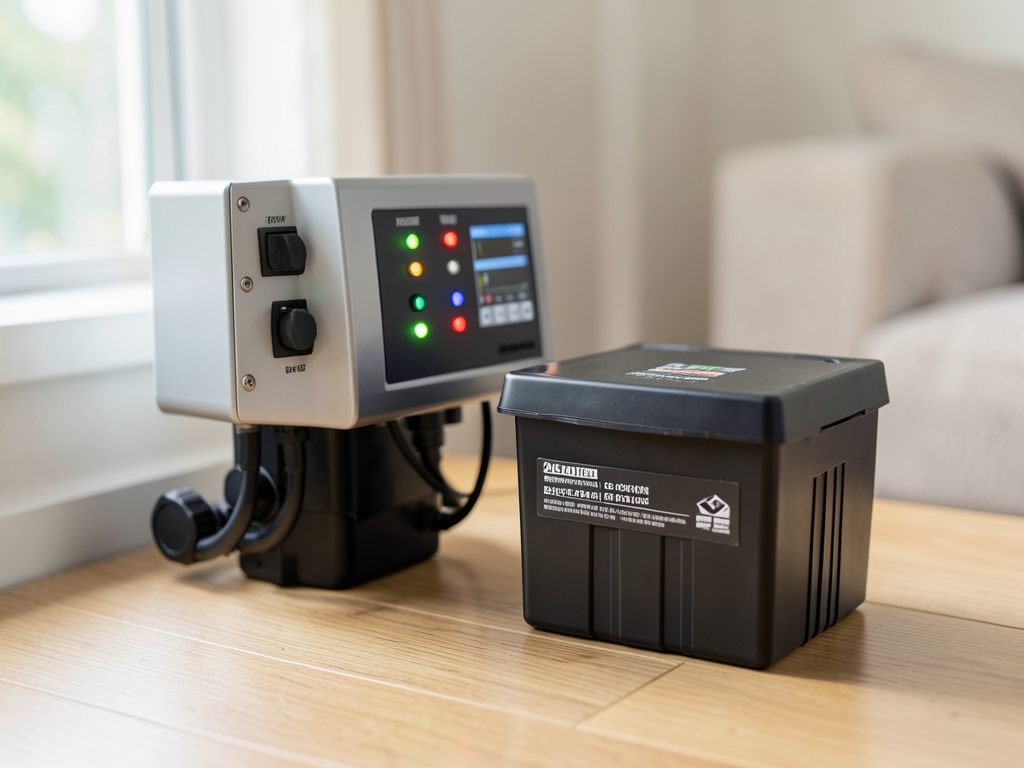
Modern battery backup systems include features that make monitoring easy. LED indicators show battery status, pump activation, and alarm conditions. Some systems connect to smartphone apps, allowing you to monitor your sump pump from anywhere. This connectivity proves invaluable during extended storm events when you can’t physically check the system.
Battery maintenance remains critical for backup system reliability. Deep-cycle batteries typically last 3-5 years with proper care. Testing the system monthly by pouring water into the sump pit ensures both pumps activate correctly and the battery holds adequate charge.
Key Selection Criteria for Coastal Flooding
Choosing the right sump pump involves several critical factors specific to Seatack’s coastal environment. Understanding these criteria helps you select a system that provides reliable protection.
Horsepower requirements depend on your property’s specific conditions. For most Seatack homes, 1/2 HP provides the best balance of capacity and efficiency. Properties with larger basements or those in lower elevation areas may require 3/4 HP or even 1 HP pumps to handle extreme flood events.
Switch type significantly impacts reliability. Vertical float switches work best in Seatack’s environment because they resist jamming in tight sump pits and aren’t affected by debris accumulation. Tethered switches, while common, can get caught on pit walls or debris, causing pump failure when you need operation most.
Housing material selection matters for coastal durability. Cast iron provides excellent durability and heat dissipation but requires corrosion-resistant coatings for saltwater environments. Stainless steel offers superior corrosion resistance but costs more. Thermoplastic resists both corrosion and impact damage but may not dissipate heat as effectively.
Head height—the vertical distance water must be pumped—affects pump selection. Seatack properties often require pumping against higher static head pressures due to the area’s low elevation. Calculate the total dynamic head by measuring from the pump’s base to the discharge point, then add 5-10 feet for friction losses in the discharge pipe.
Discharge piping material should resist corrosion and handle high flow rates. Schedule 40 PVC works well for most applications, but in highly corrosive environments, consider upgrading to corrosion-resistant materials. The discharge point should direct water at least 10-15 feet from your foundation to prevent recirculation. Upgrading to a high-efficiency toilet in your Bayside rental property.
Professional Installation vs. DIY in High-Risk Zones
Installing a sump pump in Seatack’s flood-prone environment requires expertise that goes beyond basic plumbing skills. The unique challenges of coastal flooding, high water tables, and saltwater exposure demand professional knowledge to ensure reliable long-term operation. Plumbing Newport News.
Virginia Beach building codes require permits for sump pump installations, particularly in flood zones. The permitting process ensures your system meets local requirements for discharge, backflow prevention, and electrical safety. Professional installers handle permitting, inspections, and code compliance, saving you time and potential fines.
Proper pit sizing and placement significantly impact pump performance. The sump pit must be large enough to prevent frequent cycling, which shortens pump life. A minimum 18-inch diameter and 24-inch depth works for most residential applications, but larger pits may be necessary for Seatack’s higher water table conditions.
Check valve installation prevents water from flowing back into the pit after the pump shuts off. This simple component extends pump life by preventing unnecessary cycling. The check valve must be installed in the vertical section of discharge pipe and oriented correctly to allow flow only away from the pump.
Electrical requirements for sump pumps include GFCI protection and proper grounding. Coastal environments increase the risk of electrical faults due to moisture and corrosion. Professional installation ensures all electrical components meet National Electrical Code requirements and local amendments specific to flood-prone areas.
Discharge location affects both system performance and neighborhood relations. Water must be directed away from your foundation and neighboring properties. In Seatack, where properties sit close together and elevation changes are minimal, proper discharge routing becomes critical to prevent creating problems for adjacent homes.
Professional installation includes system testing and homeowner education. Technicians verify pump operation, check for leaks, and demonstrate system features. They also provide maintenance schedules and troubleshooting guidance specific to your installation.
Maintenance Requirements for Heavy Duty Systems
Heavy-duty sump pumps in Seatack require regular maintenance to ensure reliability during storm events. The coastal environment accelerates wear on mechanical components, making preventive maintenance essential.
Monthly testing involves pouring water into the sump pit to verify both primary and backup pumps activate correctly. This simple test confirms the float switches work properly and the pumps can handle expected flow rates. Listen for unusual noises that might indicate bearing wear or impeller damage.
Battery backup systems need specific attention. Test the battery voltage quarterly and replace batteries every 3-5 years regardless of apparent performance. Clean battery terminals to prevent corrosion, which is accelerated by the salty coastal air. Ensure the charging system maintains proper voltage during float conditions.
Inlet screens require cleaning every 2-3 months to prevent debris buildup. Sand and silt from the surrounding soil can accumulate in the sump pit, potentially clogging pump intakes. Remove any visible debris and flush the pit with clean water to maintain proper flow paths.
Check valve inspection should occur annually. Look for signs of wear, debris accumulation, or improper seating. A failing check valve allows water to flow back into the pit, causing the pump to cycle more frequently and reducing its lifespan.
Discharge pipe inspection involves checking for leaks, corrosion, and proper slope. Ensure the pipe maintains a consistent downward slope from the pump to the discharge point. Look for signs of corrosion, particularly at joints and fittings where saltwater exposure is highest.
Backup system testing under load conditions provides the most reliable assessment of system readiness. Simulate a power outage by unplugging the primary pump and testing the battery backup’s ability to handle typical flow rates. This test should occur at least twice yearly, preferably before hurricane season.
Integration with Other Flood Protection Measures
Sump pumps work best as part of a comprehensive flood protection strategy. Seatack properties benefit from integrating multiple water management systems to provide layered protection against flooding.
French drains collect groundwater before it reaches your foundation and direct it to the sump pit. These subsurface drainage systems consist of perforated pipes surrounded by gravel, installed along foundation footings or in problem areas. The collected water flows by gravity to the sump pit, where the pump removes it from the property.
Crawl space encapsulation prevents moisture from entering through foundation walls and floors. This process involves installing vapor barriers, sealing vents, and sometimes adding dehumidification systems. When combined with a properly sized sump pump, encapsulation significantly reduces moisture-related problems in crawl spaces.
Exterior grading directs surface water away from your foundation. The ground should slope away from your home at a rate of 1 inch per foot for at least 6 feet. In Seatack’s flat terrain, achieving proper grading may require importing fill material or installing drainage swales.
Roof and gutter systems play a crucial role in flood prevention. Clean gutters and properly functioning downspouts prevent water from pooling near your foundation. Extend downspouts at least 6 feet from your home, and consider underground drainage systems for areas where surface extension isn’t practical.
Foundation waterproofing provides an additional barrier against water intrusion. Exterior waterproofing membranes, applied during construction or as a retrofit, prevent water from penetrating foundation walls. Interior waterproofing systems, including sealants and drainage boards, provide backup protection if exterior systems fail.
Smart home integration allows for advanced monitoring and control of flood protection systems. Water sensors placed in strategic locations can alert you to problems before they become emergencies. Some systems automatically shut off water supply lines when leaks are detected, preventing catastrophic damage.
Cost Considerations and ROI
Investing in a heavy-duty sump pump system for your Seatack property involves several cost factors. Understanding these helps you make informed decisions about system selection and installation.
Pump costs vary significantly based on capacity and features. A basic 1/3 HP residential pump costs $150-$300, while heavy-duty 1/2 HP or larger pumps range from $300-$800. Premium features like stainless steel construction or smart connectivity add $100-$200 to the base cost.
Battery backup systems add $300-$600 for the pump, battery, and controller. Premium systems with longer run times or smart features cost $500-$1,000. The battery itself represents a significant recurring cost, with replacements needed every 3-5 years at $100-$200 each.
Professional installation costs depend on system complexity and site conditions. Basic installations run $500-$1,000, while complex jobs involving pit excavation, electrical upgrades, or integration with existing systems cost $1,500-$3,000. Permit fees add $50-$200 in most Virginia Beach jurisdictions.
Maintenance costs include annual service calls at $100-$200 and battery replacements every few years. Budget $50-$100 annually for miscellaneous parts like check valves or float switches that wear out over time.
The return on investment calculation extends beyond simple cost recovery. A properly functioning sump pump system prevents flood damage that can cost thousands in repairs. Even a single prevented flood event often justifies the entire system cost. Additionally, many insurance companies offer premium discounts for properties with certified flood protection systems. EPA water management guidelines.
Property value impacts provide another ROI consideration. Homes with reliable flood protection systems often appraise higher and sell faster than comparable properties without such systems. In flood-prone areas like Seatack, this protection can be a significant selling point.
Emergency Response Planning
Even the best sump pump system requires emergency planning for extreme events. Seatack’s vulnerability to coastal storms means you need a comprehensive response strategy for when flood conditions exceed normal design parameters.
Emergency kit preparation includes items specifically for flood situations. Store a submersible utility pump, several lengths of discharge hose, and a generator with adequate fuel in an easily accessible location. Include basic plumbing tools like pipe wrenches and plumbing tape for emergency repairs. Commercial Plumbing Contractors.
Evacuation planning becomes critical when flood waters rise rapidly. Know your property’s elevation relative to known flood levels and have a plan for when to evacuate versus when to shelter in place. Keep important documents in waterproof containers and maintain a supply of essential medications.
Communication strategies ensure you can coordinate with family members and emergency services. Maintain a list of emergency contacts including your plumber, utility companies, and local emergency management offices. Consider a weather radio for receiving alerts when cellular networks become overloaded during storms.
Insurance considerations include understanding your coverage limits and exclusions. Standard homeowners insurance typically doesn’t cover flood damage—separate flood insurance through the National Flood Insurance Program or private insurers is necessary. Document your flood protection measures as they may qualify for premium discounts.
Community coordination can improve outcomes during widespread flooding events. Know your neighbors and establish communication protocols for checking on vulnerable residents. Some Seatack communities have organized flood response teams that coordinate sandbagging efforts and share resources during emergencies. Why Great Neck residents trust our team for trenchless sewer line repairs.
Post-flood procedures include proper pump restart protocols and damage assessment. After flood waters recede, thoroughly clean and disinfect the sump pit and surrounding area. Test all electrical components before restoring power, as flood water can cause hidden electrical hazards.
Frequently Asked Questions
How long should a heavy duty sump pump last in Seatack?
Quality heavy duty sump pumps typically last 7-10 years in coastal environments like Seatack. The salty air and high humidity can accelerate wear on bearings and seals. Regular maintenance can extend pump life, while poor maintenance or extreme usage may reduce it to 5-7 years.
Can I install a sump pump myself to save money?
While DIY installation is possible, professional installation is strongly recommended for Seatack properties. The complex permitting requirements, electrical safety considerations, and need for proper sizing make professional installation worthwhile. Mistakes can lead to system failure during critical moments or code violations that complicate future property sales.
What size battery backup do I need for my sump pump?
Battery size depends on your pump’s amp draw and expected runtime needs. A typical 1/2 HP pump draws 6-9 amps. For 24-hour backup capability, you need a 75-100 amp-hour deep cycle battery. Consider higher capacity if your property experiences frequent extended outages or if you need longer protection times.
How do I know if my sump pump is working properly?
Test your sump pump monthly by pouring water into the pit until the float activates the pump. The pump should start automatically and shut off when the water level drops. Listen for unusual noises, check for proper discharge, and verify the check valve prevents backflow. Annual professional inspection catches issues you might miss.
What’s the difference between a pedestal and submersible sump pump?
Submersible pumps sit entirely underwater in the sump pit, making them quieter and less obtrusive. They typically last longer in Seatack’s environment because the water cools the motor. Pedestal pumps have motors mounted above the pit, making them easier to service but noisier and more vulnerable to humidity damage in coastal areas.
Protect Your Seatack Home Today
Don’t wait for the next storm to discover your sump pump can’t handle Seatack’s flood conditions. The combination of high water tables, sandy soil, and coastal storms creates a perfect storm for basement flooding that can damage your home and belongings.
Professional assessment of your property’s specific needs ensures you get the right system for your situation. Factors like basement size, historical flooding patterns, and local water table levels all influence the optimal pump selection and installation approach.
Call (948) 207-0600 today to schedule your sump pump evaluation. Our experienced technicians understand Seatack’s unique flooding challenges and can recommend systems proven to protect local homes. We handle everything from initial assessment through professional installation and ongoing maintenance.
Pick up the phone and call (948) 207-0600 before the next storm hits. Your home deserves the protection of a properly sized, professionally installed heavy duty sump pump system. Don’t let flood damage become your next unexpected expense.
Visit our sump pump installation page to learn more about our services, or check out our water quality solutions for other common Virginia Beach plumbing challenges.
Liberty Plumbing Virginia Beach has served the Hampton Roads area for over 15 years, providing reliable plumbing solutions to coastal communities. Our team understands the specific challenges Seatack homeowners face and delivers systems built to withstand Virginia’s coastal environment.
Don’t let flood damage threaten your home’s value and your family’s comfort. Call (948) 207-0600 now and take the first step toward comprehensive flood protection. For more information, visit FEMA flood maps.
{
“@context”: “https://schema.org”,
“@type”: “BlogPosting”,
“headline”: “Selecting a Heavy Duty Sump Pump for Your Low Lying Seatack Property”,
“description”: “Protect your Seatack home from flooding with expert sump pump recommendations. Learn about heavy-duty systems designed for Virginia Beach’s high water table and coastal storms.”,
“wordCount”: 3176,
“datePublished”: “2026-04-30T11:15:00.000Z”,
“dateModified”: “2026-04-30T11:15:00.000Z”,
“inLanguage”: “en-US”,
“mainEntityOfPage”: {
“@type”: “WebPage”,
“@id”: “https://libertyplumbingvirginiabeach.com”
},
“publisher”: {
“@type”: “LocalBusiness”,
“name”: “Liberty Plumbing Virginia Beach”,
“url”: “https://libertyplumbingvirginiabeach.com”
},
“author”: {
“@type”: “Organization”,
“name”: “Liberty Plumbing Virginia Beach”,
“url”: “https://libertyplumbingvirginiabeach.com”
},
“image”: {
“@type”: “ImageObject”,
“url”: “https://libertyplumbingvirginiabeach.com/wp-content/uploads/2026/03/selecting-a-heavy-duty-sump-pump-for-your-low-lyin-1.png”
}
}
{
“@context”: “https://schema.org”,
“@type”: “Plumber”,
“name”: “Liberty Plumbing Virginia Beach”,
“url”: “https://libertyplumbingvirginiabeach.com”,
“address”: {
“@type”: “PostalAddress”,
“addressLocality”: “Virginia Beach”
},
“areaServed”: {
“@type”: “City”,
“name”: “Virginia Beach”
}
}
{
“@context”: “https://schema.org”,
“@type”: “FAQPage”,
“mainEntity”: [
{
“@type”: “Question”,
“name”: “How long should a heavy duty sump pump last in Seatack?”,
“acceptedAnswer”: {
“@type”: “Answer”,
“text”: “Quality heavy duty sump pumps typically last 7-10 years in coastal environments like Seatack. The salty air and high humidity can accelerate wear on bearings and seals. Regular maintenance can extend pump life, while poor maintenance or extreme usage may reduce it to 5-7 years.”
}
},
{
“@type”: “Question”,
“name”: “Can I install a sump pump myself to save money?”,
“acceptedAnswer”: {
“@type”: “Answer”,
“text”: “While DIY installation is possible, professional installation is strongly recommended for Seatack properties. The complex permitting requirements, electrical safety considerations, and need for proper sizing make professional installation worthwhile. Mistakes can lead to system failure during critical moments or code violations that complicate future property sales.”
}
},
{
“@type”: “Question”,
“name”: “What size battery backup do I need for my sump pump?”,
“acceptedAnswer”: {
“@type”: “Answer”,
“text”: “Battery size depends on your pump’s amp draw and expected runtime needs. A typical 1/2 HP pump draws 6-9 amps. For 24-hour backup capability, you need a 75-100 amp-hour deep cycle battery. Consider higher capacity if your property experiences frequent extended outages or if you need longer protection times.”
}
},
{
“@type”: “Question”,
“name”: “How do I know if my sump pump is working properly?”,
“acceptedAnswer”: {
“@type”: “Answer”,
“text”: “Test your sump pump monthly by pouring water into the pit until the float activates the pump. The pump should start automatically and shut off when the water level drops. Listen for unusual noises, check for proper discharge, and verify the check valve prevents backflow. Annual professional inspection catches issues you might miss.”
}
},
{
“@type”: “Question”,
“name”: “What’s the difference between a pedestal and submersible sump pump?”,
“acceptedAnswer”: {
“@type”: “Answer”,
“text”: “Submersible pumps sit entirely underwater in the sump pit, making them quieter and less obtrusive. They typically last longer in Seatack’s environment because the water cools the motor. Pedestal pumps have motors mounted above the pit, making them easier to service but noisier and more vulnerable to humidity damage in coastal areas.”
}
}
]
}
{
“@context”: “https://schema.org”,
“@type”: “BreadcrumbList”,
“itemListElement”: [
{
“@type”: “ListItem”,
“position”: 1,
“name”: “Home”,
“item”: “https://libertyplumbingvirginiabeach.com”
},
{
“@type”: “ListItem”,
“position”: 2,
“name”: “Blog”,
“item”: “https://libertyplumbingvirginiabeach.com/blog”
},
{
“@type”: “ListItem”,
“position”: 3,
“name”: “Selecting a Heavy Duty Sump Pump for Your Low Lying Seatack Property”
}
]
}
{
“@context”: “https://schema.org”,
“@type”: “Service”,
“serviceType”: “Plumbing”,
“provider”: {
“@type”: “LocalBusiness”,
“name”: “Liberty Plumbing Virginia Beach”,
“url”: “https://libertyplumbingvirginiabeach.com”
},
“areaServed”: {
“@type”: “City”,
“name”: “Virginia Beach”
},
“description”: “Protect your Seatack home from flooding with expert sump pump recommendations. Learn about heavy-duty systems designed for Virginia Beach’s high water table and coastal storms.”
}