
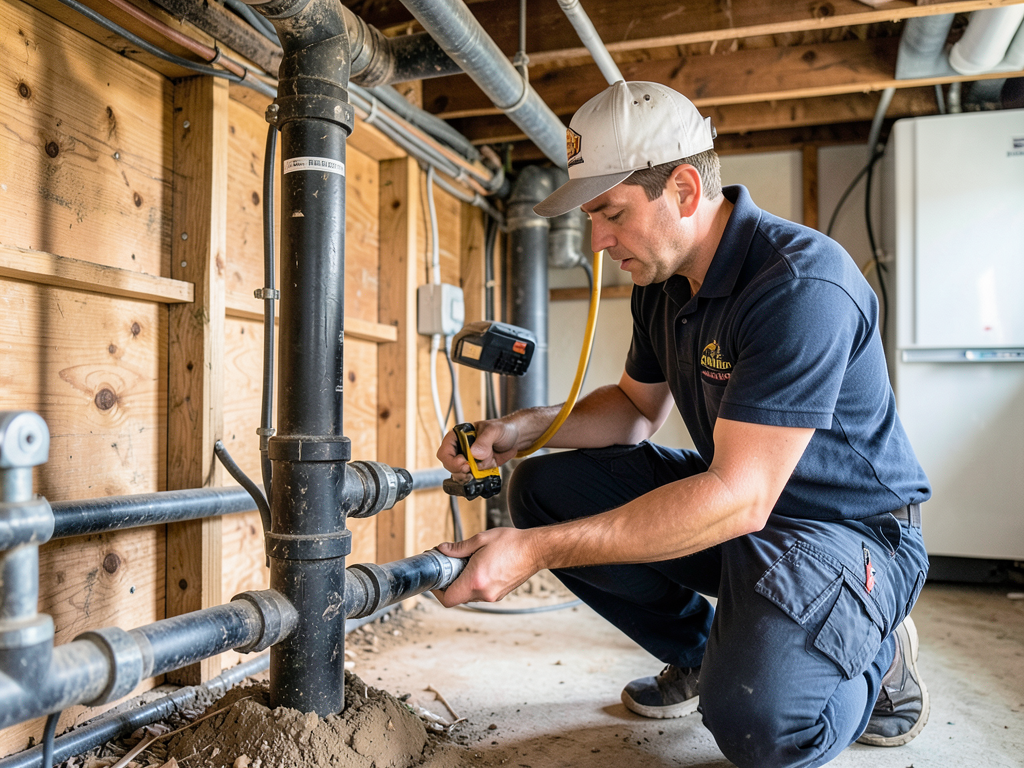
How to Route New Plumbing Lines for a Second Floor Addition in Kempsville
Adding a second floor to your Kempsville home means more than just extra square footage. It means rerouting plumbing lines through walls, ceilings, and floors to bring water, waste, and ventilation to your new space. The process requires careful planning, code compliance, and professional expertise to avoid costly mistakes down the road. Hard water solutions for Pungo properties using well water.
Before you frame that new bathroom or laundry room, you need to understand how plumbing systems work. Water comes in under pressure through supply lines. Waste leaves through drain-waste-vent (DWV) pipes that rely on gravity and air pressure. Both systems must tie into your existing setup without overloading it. In Kempsville, many homes built in the 1970s through 1990s have cast iron or galvanized pipes that may need upgrading when adding new fixtures. Upgrading to a high-efficiency toilet in your Bayside rental property.
The first step is a plumbing inspection of your current system. A licensed plumber will check your main water line size, sewer lateral capacity, and vent stack configuration. If your home has a 3/4-inch main supply line and you’re adding a full bathroom upstairs, you may need to upgrade to a 1-inch line to maintain pressure. The City of Virginia Beach requires a building permit for any new plumbing work, and your plans must comply with the Virginia Uniform Statewide Building Code (VUSBC) Chapter 13 on plumbing. City of Virginia Beach Building Permits.
Routing supply lines typically means running PEX or copper pipes through interior walls to avoid freezing in exterior walls. PEX is flexible and resists scale buildup common in Kempsville’s moderately hard water. Copper offers durability but requires more fittings and careful soldering. For waste lines, ABS or PVC pipes must maintain a minimum 1/4-inch per foot slope toward the main stack. A 2-inch shower drain cannot tie directly into a 3-inch toilet line without a proper wye fitting and vent connection. Drain Cleaning & Rooter Service.
Venting is critical. Every fixture needs a vent to prevent trap siphoning and sewer gas backup. In second floor additions, this often means extending your main vent stack through the roof or adding individual vents that tie into an existing stack. The VUSBC requires vents to be at least 1.5 inches for most fixtures and extend at least 6 inches above the roof. In Kempsville’s flat coastal terrain, roof penetrations must be sealed with proper flashing to prevent leaks during heavy rains.
Sewer capacity matters. A typical bathroom adds about 5 drainage fixture units (DFUs) to your system. Your existing sewer lateral may handle this, but if you’re adding multiple bathrooms or a kitchen, you might need a larger line. The Hampton Roads Sanitation District (HRSD) regulates sewer connections and may require a capacity study before approving your permit.
Water heater sizing is another factor. A standard 40-gallon tank may struggle with an additional bathroom. Tankless units offer endless hot water but require proper gas line sizing or electrical capacity. In coastal Virginia Beach, tankless units need annual descaling due to mineral buildup in the water supply. Virginia Uniform Statewide Building Code.
Permitting in Kempsville follows Virginia Beach procedures. You’ll submit plumbing plans to the City’s Development Services Center, pay permit fees, and schedule inspections. Rough-in inspection happens after DWV installation but before drywall. Finish inspection occurs when all fixtures are installed and operational. Missing inspections can halt your project and result in fines. Keep your Chic’s Beach basement dry with a new sump pump installation.
Cost factors include demolition of existing walls, material choice (PEX vs copper), distance from main lines, and whether you need a new water heater. A basic second floor bathroom rough-in might cost $3,000-$5,000 in materials and labor, but complex tie-ins or upgrades can push costs higher. Always get a detailed quote that includes permit fees and inspection costs.
Common mistakes to avoid: running pipes through exterior walls without insulation, using undersized vents, failing to pressure-test supply lines, and ignoring local code requirements. Each mistake can lead to frozen pipes, sewer odors, or failed inspections.
The best approach is to involve a licensed plumber early in your planning. They can review your architect’s plans, identify potential issues, and ensure your new addition integrates seamlessly with your existing system. In Kempsville, where homes range from 1970s ranches to newer constructions, local experience matters. A plumber familiar with Kempsville’s soil conditions, typical home layouts, and local inspection requirements will save you time and money.
Once your plumbing is roughed in, you’ll need to coordinate with other trades. Electricians need to know where water lines run to avoid drilling through them. HVAC installers must account for vent stacks. Drywallers need to know which walls contain plumbing to use appropriate backing. Plumbing Newport News.
Final inspection ensures everything meets code. Your plumber will test all fixtures, check for leaks, and verify proper drainage. They’ll also ensure all cleanouts are accessible and properly labeled. This inspection is your last chance to catch issues before closing up walls.
Adding a second floor in Kempsville is a significant investment. Proper plumbing routing protects that investment by ensuring your new space functions as intended for years to come. Don’t cut corners on this critical infrastructure.
Call (948) 207-0600 today to schedule your plumbing inspection and get a detailed quote for your second floor addition. Our licensed plumbers understand Kempsville’s specific requirements and will ensure your project passes inspection the first time.
Key Plumbing Considerations for Second Floor Additions
Before starting construction, evaluate these critical factors that affect your plumbing routing decisions:
- Existing pipe material and condition
- Main water line capacity
- Sewer lateral size and slope
- Vent stack configuration
- Fixture count and drainage fixture units
- Water heater capacity
- Access for future maintenance
Common Plumbing Materials Comparison
| Material | Cost per Foot | Lifespan | Best Use |
|---|---|---|---|
| PEX | $0.50-$2.00 | 40-50 years | Supply lines, retrofitting |
| Copper | $2.00-$4.00 | 50-70 years | Main supply lines, visible runs |
| ABS | $0.75-$2.00 | 50-80 years | Waste lines, venting |
| PVC | $0.50-$1.50 | 50-100 years | Drain lines, vent stacks |
Permit Requirements in Kempsville
The City of Virginia Beach requires building permits for any new plumbing work. Here’s what you need to know:
- Submit detailed plumbing plans with your building permit application
- Pay permit fees based on project scope (typically $100-$500)
- Schedule rough-in inspection after DWV installation
- Schedule finish inspection when all fixtures are installed
- Obtain final approval before closing walls
Permits ensure your work meets VUSBC requirements and protects you from liability issues when selling your home.
Frequently Asked Questions
How long does it take to rough in plumbing for a second floor addition?
Typically 2-4 days for a single bathroom, depending on complexity and existing conditions. This includes demolition, installation, pressure testing, and inspection preparation.
Can I use my existing water heater for a new bathroom?
Maybe. A standard 40-gallon tank works for one additional bathroom if your existing unit is in good condition. For multiple fixtures or if your current heater is over 8 years old, consider upgrading to a larger tank or tankless unit.
What happens if my sewer line can’t handle the new addition?
Your plumber will identify this during the initial inspection. Solutions include upgrading the main sewer line, installing a separate septic system if you’re outside city limits, or reducing fixture count to stay within capacity limits.
Do I need a permit if I’m just adding one bathroom?
Yes. Virginia Beach requires permits for any new plumbing installation, regardless of size. This ensures your work meets safety standards and won’t cause problems for you or future homeowners.
How do I know if my existing pipes need replacement?
Signs include discolored water, low pressure, frequent leaks, or pipes over 40 years old. A plumber can use camera inspection to assess interior pipe condition without demolition.
Ready to Start Your Addition?
Don’t let plumbing complications derail your second floor addition. The right planning and professional installation make all the difference. Call (948) 207-0600 now to speak with a licensed plumber who understands Kempsville’s specific requirements. We’ll help you navigate permits, choose the right materials, and ensure your new space has reliable plumbing for years to come.
{
“@context”: “https://schema.org”,
“@type”: “BlogPosting”,
“headline”: “How to Route New Plumbing Lines for a Second Floor Addition in Kempsville”,
“description”: “Learn the exact steps for routing new plumbing lines during a second floor addition in Kempsville. Discover local codes, permit requirements, and professional installation tips.”,
“wordCount”: 1364,
“datePublished”: “2026-05-02T12:38:00.000Z”,
“dateModified”: “2026-05-02T12:38:00.000Z”,
“inLanguage”: “en-US”,
“mainEntityOfPage”: {
“@type”: “WebPage”,
“@id”: “https://libertyplumbingvirginiabeach.com”
},
“publisher”: {
“@type”: “LocalBusiness”,
“name”: “Liberty Plumbing Virginia Beach”,
“url”: “https://libertyplumbingvirginiabeach.com”
},
“author”: {
“@type”: “Organization”,
“name”: “Liberty Plumbing Virginia Beach”,
“url”: “https://libertyplumbingvirginiabeach.com”
},
“image”: {
“@type”: “ImageObject”,
“url”: “https://libertyplumbingvirginiabeach.com/wp-content/uploads/2026/03/how-to-route-new-plumbing-lines-for-a-second-floor-1.png”
}
}
{
“@context”: “https://schema.org”,
“@type”: “Plumber”,
“name”: “Liberty Plumbing Virginia Beach”,
“url”: “https://libertyplumbingvirginiabeach.com”,
“address”: {
“@type”: “PostalAddress”,
“addressLocality”: “Virginia Beach”
},
“areaServed”: {
“@type”: “City”,
“name”: “Virginia Beach”
}
}
{
“@context”: “https://schema.org”,
“@type”: “FAQPage”,
“mainEntity”: [
{
“@type”: “Question”,
“name”: “How long does it take to rough in plumbing for a second floor addition?”,
“acceptedAnswer”: {
“@type”: “Answer”,
“text”: “Typically 2-4 days for a single bathroom, depending on complexity and existing conditions. This includes demolition, installation, pressure testing, and inspection preparation.”
}
},
{
“@type”: “Question”,
“name”: “Can I use my existing water heater for a new bathroom?”,
“acceptedAnswer”: {
“@type”: “Answer”,
“text”: “Maybe. A standard 40-gallon tank works for one additional bathroom if your existing unit is in good condition. For multiple fixtures or if your current heater is over 8 years old, consider upgrading to a larger tank or tankless unit.”
}
},
{
“@type”: “Question”,
“name”: “What happens if my sewer line can’t handle the new addition?”,
“acceptedAnswer”: {
“@type”: “Answer”,
“text”: “Your plumber will identify this during the initial inspection. Solutions include upgrading the main sewer line, installing a separate septic system if you’re outside city limits, or reducing fixture count to stay within capacity limits.”
}
},
{
“@type”: “Question”,
“name”: “Do I need a permit if I’m just adding one bathroom?”,
“acceptedAnswer”: {
“@type”: “Answer”,
“text”: “Yes. Virginia Beach requires permits for any new plumbing installation, regardless of size. This ensures your work meets safety standards and won’t cause problems for you or future homeowners.”
}
},
{
“@type”: “Question”,
“name”: “How do I know if my existing pipes need replacement?”,
“acceptedAnswer”: {
“@type”: “Answer”,
“text”: “Signs include discolored water, low pressure, frequent leaks, or pipes over 40 years old. A plumber can use camera inspection to assess interior pipe condition without demolition.”
}
},
{
“@type”: “Question”,
“name”: “Ready to Start Your Addition?”,
“acceptedAnswer”: {
“@type”: “Answer”,
“text”: “Don’t let plumbing complications derail your second floor addition. The right planning and professional installation make all the difference. Call (948) 207-0600 now to speak with a licensed plumber who understands Kempsville’s specific requirements. We’ll help you navigate permits, choose the right materials, and ensure your new space has reliable plumbing for years to come.”
}
}
]
}
{
“@context”: “https://schema.org”,
“@type”: “BreadcrumbList”,
“itemListElement”: [
{
“@type”: “ListItem”,
“position”: 1,
“name”: “Home”,
“item”: “https://libertyplumbingvirginiabeach.com”
},
{
“@type”: “ListItem”,
“position”: 2,
“name”: “Blog”,
“item”: “https://libertyplumbingvirginiabeach.com/blog”
},
{
“@type”: “ListItem”,
“position”: 3,
“name”: “How to Route New Plumbing Lines for a Second Floor Addition in Kempsville”
}
]
}
{
“@context”: “https://schema.org”,
“@type”: “Service”,
“serviceType”: “Plumbing”,
“provider”: {
“@type”: “LocalBusiness”,
“name”: “Liberty Plumbing Virginia Beach”,
“url”: “https://libertyplumbingvirginiabeach.com”
},
“areaServed”: {
“@type”: “City”,
“name”: “Virginia Beach”
},
“description”: “Learn the exact steps for routing new plumbing lines during a second floor addition in Kempsville. Discover local codes, permit requirements, and professional installation tips.”
}