
Comparing Electric vs Heat Pump Water Heaters for Your Virginia Beach Rental
Choosing the right water heater for your Virginia Beach rental property can cut energy bills by hundreds of dollars per year. Electric resistance models are simple and cheap to install but use three times more electricity than heat pump systems. Heat pump water heaters extract heat from the surrounding air, delivering the same hot water while slashing operating costs. The decision comes down to your budget, available space, and long-term energy goals. Energy Department heat pump guide.
How They Work: Hybrid Heat Pump vs Standard Electric Resistance
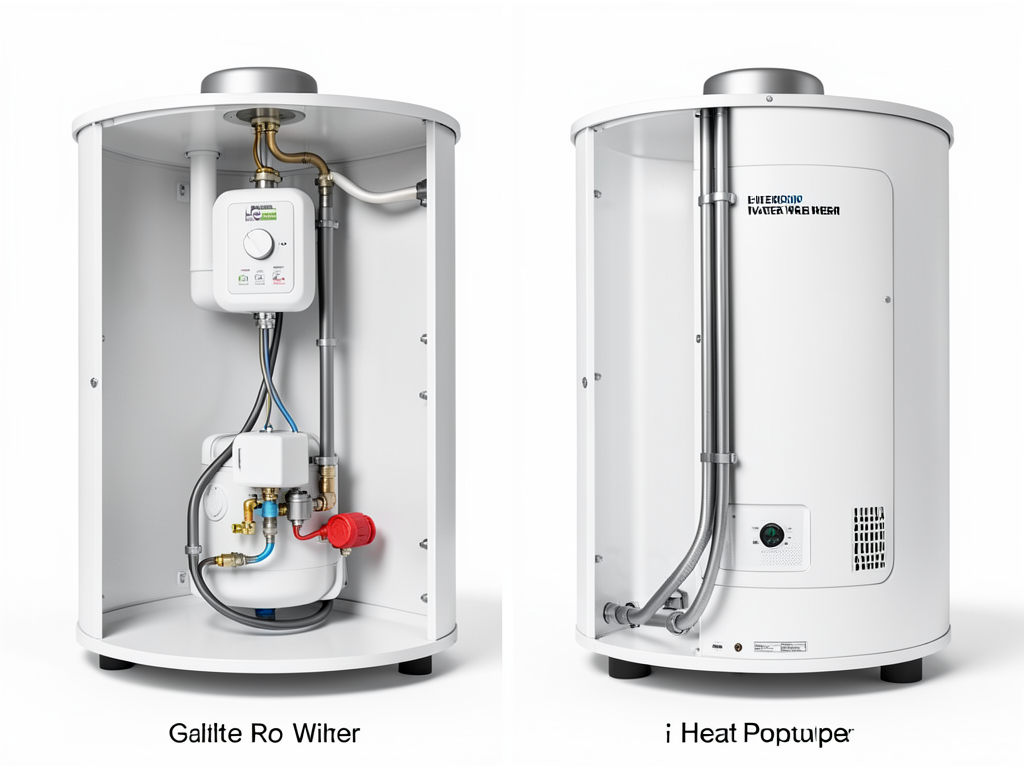
Standard electric water heaters use submerged heating elements to warm water directly. They draw power continuously until the tank reaches the set temperature. Heat pump water heaters reverse that process. A compressor and evaporator coil pull heat from the air, concentrate it, and transfer it to the tank. When demand spikes, built-in electric elements provide backup. This hybrid design means the unit runs on electricity but uses far less of it. Hard water solutions for Pungo properties using well water.
Heat pumps need adequate airflow—typically a 750-1,000 cubic foot space—and a condensate drain for moisture removed from the air. In Virginia Beach’s humid climate, that moisture removal also acts as a bonus dehumidifier for garages or utility rooms. Electric models fit almost anywhere but offer no climate control benefit. Keep your Chic’s Beach basement dry with a new sump pump installation.
Energy Efficiency and Performance in the Virginia Climate
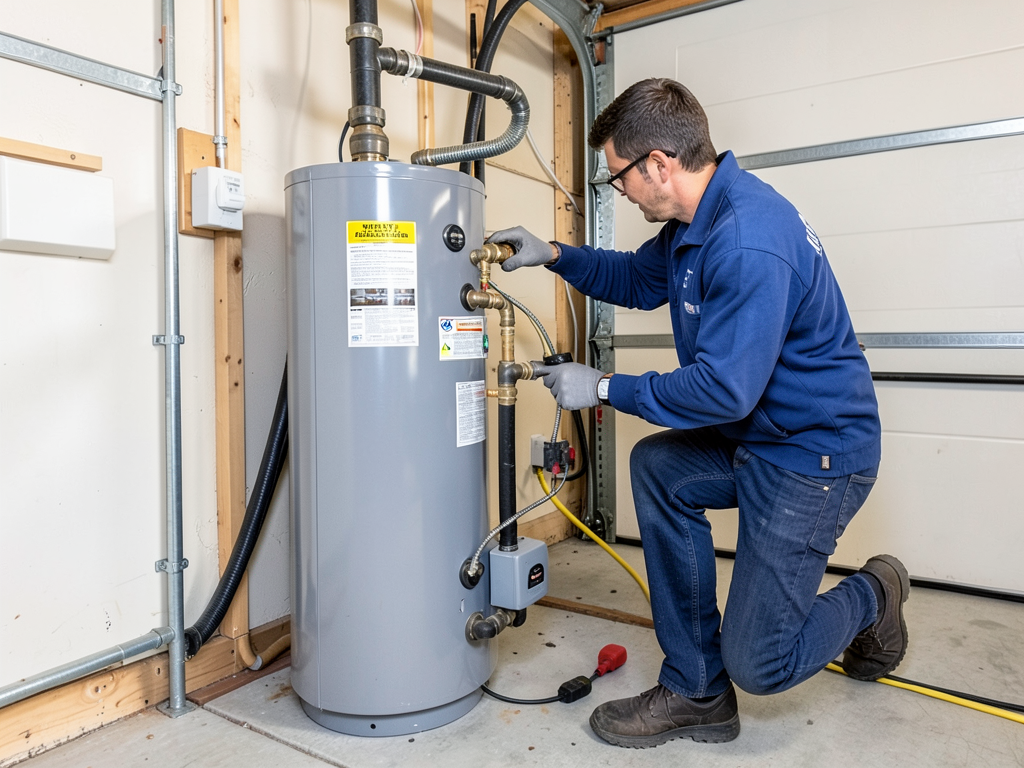
Virginia Beach’s mild winters and long, muggy summers create ideal conditions for heat pump water heaters. The units perform best when ambient air stays above 40°F, which is almost all year here. In summer, they help cool and dry the space around them, reducing the load on your air conditioner. During occasional cold snaps, the electric elements kick in automatically.
Uniform Energy Factor (UEF) ratings show the efficiency gap. A standard 50-gallon electric model might rate 0.92 UEF, while a heat pump model rates 3.0 or higher. That means for every dollar of electricity, you get three dollars worth of hot water. Over a year, a family of four can save $300 to $400 on utility bills.
Cost Comparison: Upfront Investment vs Long-Term Savings
Initial prices differ sharply. A basic 50-gallon electric heater costs $400 to $600, while a heat pump model runs $1,200 to $1,800. Installation adds $300 to $500 for electric and $500 to $800 for heat pump due to electrical and condensate line requirements. That puts total first costs at $700 to $1,100 for electric and $1,700 to $2,600 for heat pump.
Annual operating costs tell the rest of the story. Dominion Energy’s current residential rate is about $0.12 per kWh. An electric heater uses roughly 4,800 kWh per year, costing $576. A heat pump uses about 1,600 kWh, costing $192. That $384 yearly saving means the heat pump pays for its extra cost in 3 to 5 years. After that, savings go straight to your bottom line. Dominion Energy rebates.
Federal tax credits sweeten the deal. The Inflation Reduction Act offers a 30% credit on heat pump water heaters up to $2,000. Dominion Energy also provides rebates of up to $500 in Virginia Beach. Combined, these incentives can cut the net price difference by half.
Installation Requirements: Space, Noise, and Condensate Drainage
Electric units install in a closet, attic, or garage with minimal clearance. Heat pumps need breathing room. Manufacturers recommend at least 750 cubic feet of air volume and a ceiling height of 7 feet. If space is tight, you can install a smaller 40-gallon model or choose a split-system design with the compressor outside.
Noise is another factor. Heat pumps generate 45 to 55 decibels during operation—about the sound of a microwave. In a garage or basement, this is rarely an issue, but in a small utility closet, it may be noticeable. Most models include a “sleep” mode to reduce noise during night hours.
Condensate drainage is critical. The unit pulls moisture from the air and must drain it to a nearby floor drain or utility sink. In Virginia Beach, local codes require an air gap to prevent backflow. A licensed plumber can install a proper condensate line and check valve to meet Virginia Uniform Statewide Building Code (USBC) requirements. Drain Cleaning & Rooter Service.
Pros and Cons Summary
| Feature | Electric Water Heater | Heat Pump Water Heater |
|---|---|---|
| Upfront Cost | $700-$1,100 | $1,700-$2,600 |
| Annual Energy Cost | $576 | $192 |
| Space Needed | Minimal | 750+ cubic feet |
| Noise Level | Silent | 45-55 dB |
| Dehumidification | None | Yes |
| Federal Tax Credit | No | Up to $2,000 |
| Payback Period | N/A | 3-5 years |
Maintenance and Longevity
Both systems last 10 to 15 years with proper care. Electric heaters need an annual flush to remove sediment and a check of the anode rod every three years. Heat pumps add a few more steps. Clean the air filter every three months to maintain efficiency. Check the condensate line for clogs, especially during pollen season when debris can block drains.
Coastal salt air can accelerate corrosion. In Virginia Beach, install a powered anode rod for extra tank protection. This small upgrade costs $50 to $80 but can add years to the unit’s life. Also, inspect the condensate drain pan for mineral buildup, which can cause leaks if ignored.
Making the Right Choice for Your Rental
If your property has limited space or you need the lowest first cost, an electric heater works fine. If you plan to keep the property long-term, want lower utility bills, and can meet the space requirements, a heat pump delivers the best value. The dehumidification benefit is a bonus in Virginia Beach’s sticky summers.
For landlords, the lower operating cost improves cash flow and can be a selling point for tenants. Many renters today value energy efficiency and lower utility bills. A heat pump water heater can help your property stand out in a competitive market.
Call (948) 207-0600 today to schedule your inspection. We’ll measure your space, check electrical capacity, and provide a clear cost comparison so you can make the best choice for your Virginia Beach rental.
Frequently Asked Questions
Do heat pump water heaters work in cold weather?
Yes. They operate efficiently above 40°F, which covers most of Virginia Beach’s year. During rare cold snaps, built-in electric elements provide backup heat automatically.
How much noise do they make?
Most models run at 45 to 55 decibels, similar to a microwave. In a garage or basement, this is usually not noticeable. Many have a quiet mode for night hours.
Are there rebates available in Virginia Beach?
Yes. Dominion Energy offers rebates up to $500 for qualifying heat pump water heaters. The federal government also provides a 30% tax credit up to $2,000 under the Inflation Reduction Act.
Can I install one in a small utility closet?
Probably not. Heat pumps need at least 750 cubic feet of air volume and a condensate drain. In tight spaces, an electric model is the better fit.
How often should I service a heat pump water heater?
Clean the air filter every three months and flush the tank annually. Check the condensate line for clogs and inspect the anode rod every three years.
Will a heat pump help with humidity in my garage?
Yes. The unit removes moisture from the air as it operates, which can help reduce dampness and prevent mold growth in humid Virginia Beach summers.
{
“@context”: “https://schema.org”,
“@type”: “BlogPosting”,
“headline”: “Comparing Electric vs Heat Pump Water Heaters for Your Virginia Beach Rental”,
“description”: “Compare heat pump vs electric water heaters for Virginia Beach rentals. See energy savings, installation needs, and local rebates to make the right choice.”,
“wordCount”: 1236,
“datePublished”: “2026-05-05T12:40:00.000Z”,
“dateModified”: “2026-05-05T12:40:00.000Z”,
“inLanguage”: “en-US”,
“mainEntityOfPage”: {
“@type”: “WebPage”,
“@id”: “https://libertyplumbingvirginiabeach.com”
},
“publisher”: {
“@type”: “LocalBusiness”,
“name”: “Liberty Plumbing Virginia Beach”,
“url”: “https://libertyplumbingvirginiabeach.com”
},
“author”: {
“@type”: “Organization”,
“name”: “Liberty Plumbing Virginia Beach”,
“url”: “https://libertyplumbingvirginiabeach.com”
},
“image”: {
“@type”: “ImageObject”,
“url”: “https://libertyplumbingvirginiabeach.com/wp-content/uploads/2026/03/comparing-electric-vs-heat-pump-water-heaters-for-1.png”
}
}
{
“@context”: “https://schema.org”,
“@type”: “Plumber”,
“name”: “Liberty Plumbing Virginia Beach”,
“url”: “https://libertyplumbingvirginiabeach.com”,
“address”: {
“@type”: “PostalAddress”,
“addressLocality”: “Virginia Beach”
},
“areaServed”: {
“@type”: “City”,
“name”: “Virginia Beach”
}
}
{
“@context”: “https://schema.org”,
“@type”: “FAQPage”,
“mainEntity”: [
{
“@type”: “Question”,
“name”: “Do heat pump water heaters work in cold weather?”,
“acceptedAnswer”: {
“@type”: “Answer”,
“text”: “Yes. They operate efficiently above 40°F, which covers most of Virginia Beach’s year. During rare cold snaps, built-in electric elements provide backup heat automatically.”
}
},
{
“@type”: “Question”,
“name”: “How much noise do they make?”,
“acceptedAnswer”: {
“@type”: “Answer”,
“text”: “Most models run at 45 to 55 decibels, similar to a microwave. In a garage or basement, this is usually not noticeable. Many have a quiet mode for night hours.”
}
},
{
“@type”: “Question”,
“name”: “Are there rebates available in Virginia Beach?”,
“acceptedAnswer”: {
“@type”: “Answer”,
“text”: “Yes. Dominion Energy offers rebates up to $500 for qualifying heat pump water heaters. The federal government also provides a 30% tax credit up to $2,000 under the Inflation Reduction Act.”
}
},
{
“@type”: “Question”,
“name”: “Can I install one in a small utility closet?”,
“acceptedAnswer”: {
“@type”: “Answer”,
“text”: “Probably not. Heat pumps need at least 750 cubic feet of air volume and a condensate drain. In tight spaces, an electric model is the better fit.”
}
},
{
“@type”: “Question”,
“name”: “How often should I service a heat pump water heater?”,
“acceptedAnswer”: {
“@type”: “Answer”,
“text”: “Clean the air filter every three months and flush the tank annually. Check the condensate line for clogs and inspect the anode rod every three years.”
}
},
{
“@type”: “Question”,
“name”: “Will a heat pump help with humidity in my garage?”,
“acceptedAnswer”: {
“@type”: “Answer”,
“text”: “Yes. The unit removes moisture from the air as it operates, which can help reduce dampness and prevent mold growth in humid Virginia Beach summers.”
}
}
]
}
{
“@context”: “https://schema.org”,
“@type”: “BreadcrumbList”,
“itemListElement”: [
{
“@type”: “ListItem”,
“position”: 1,
“name”: “Home”,
“item”: “https://libertyplumbingvirginiabeach.com”
},
{
“@type”: “ListItem”,
“position”: 2,
“name”: “Blog”,
“item”: “https://libertyplumbingvirginiabeach.com/blog”
},
{
“@type”: “ListItem”,
“position”: 3,
“name”: “Comparing Electric vs Heat Pump Water Heaters for Your Virginia Beach Rental”
}
]
}
{
“@context”: “https://schema.org”,
“@type”: “Service”,
“serviceType”: “Plumbing”,
“provider”: {
“@type”: “LocalBusiness”,
“name”: “Liberty Plumbing Virginia Beach”,
“url”: “https://libertyplumbingvirginiabeach.com”
},
“areaServed”: {
“@type”: “City”,
“name”: “Virginia Beach”
},
“description”: “Compare heat pump vs electric water heaters for Virginia Beach rentals. See energy savings, installation needs, and local rebates to make the right choice.”
}