
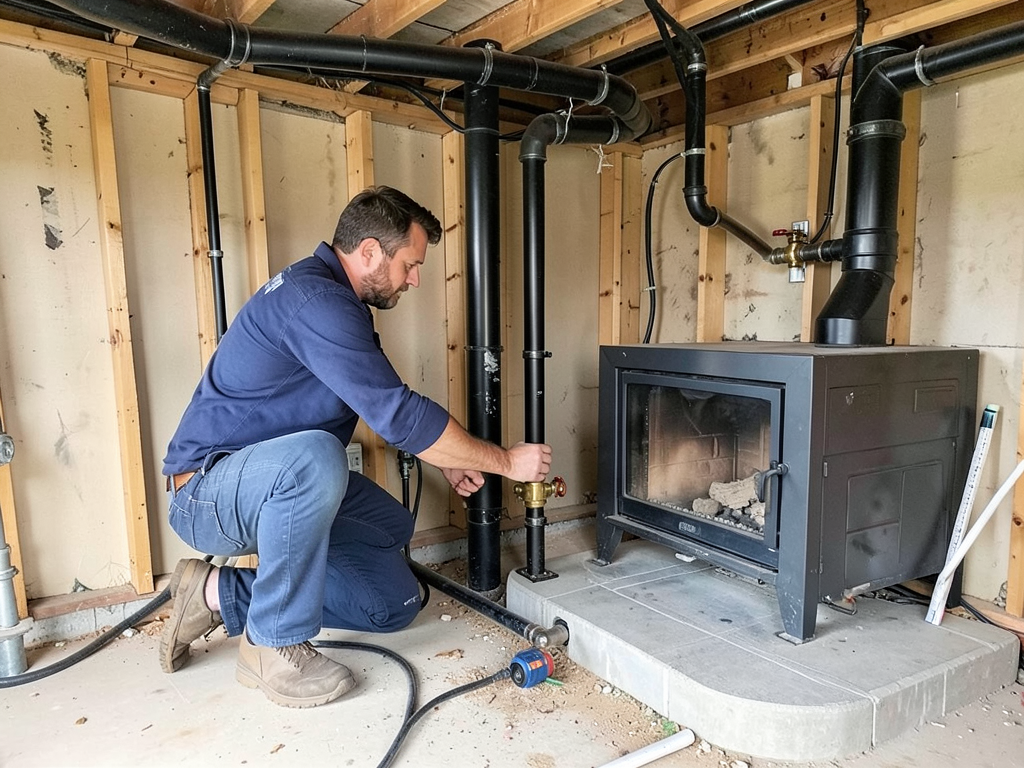
Adding a Natural Gas Line for Your New Fireplace in Lake Shores
Installing a natural gas line for a new fireplace in Lake Shores requires careful planning, proper permits, and expert execution to ensure both safety and compliance with Virginia Beach building codes. Most homeowners underestimate the complexity of running a gas line to a fireplace, especially in older neighborhoods where underground conditions can vary. The first step is always determining the BTU load of your fireplace insert, which dictates pipe sizing and pressure requirements under the Virginia Fuel Gas Code (NFPA 54). A licensed Virginia Master Gas Fitter will calculate these factors before any trenching begins, preventing costly rework and ensuring your system passes final inspection by the City of Virginia Beach. NFPA 54 National Fuel Gas Code.
Lake Shores homes, built primarily in the 1970s and 1980s, often have sandy soil conditions that can shift over time, making rigid black iron pipe a common choice for underground runs. However, modern Corrugated Stainless Steel Tubing (CSST) offers flexibility and corrosion resistance, especially near coastal air exposure. The choice between materials depends on the specific installation path and local code requirements. Regardless of material, every gas line must include a properly sized shut-off valve within six feet of the appliance and undergo pressure testing to 1.5 times the operating pressure before being covered or connected.
Permitting in Virginia Beach is handled through the Planning & Community Development Department, and a gas line installation for a fireplace typically requires both a building permit and a gas permit. The process includes submitting detailed plans showing pipe routing, sizing, and appliance locations. Once installed, the work must pass a final inspection before use. Skipping permits or using unlicensed contractors not only risks fines but also voids homeowner insurance in the event of a leak or fire. Always verify your contractor holds a valid Virginia Contractor License and carries liability insurance specific to gas work. Virginia Contractor License Information.
Call (948) 207-0600 today to schedule your gas line assessment and ensure your new fireplace is installed safely and to code.
Why Professional Installation Matters in Lake Shores
Lake Shores sits near the Chesapeake Bay, where high humidity and salt air accelerate corrosion on outdoor gas lines. Homes in this area also experience occasional soil settling due to the sandy composition, which can stress rigid piping over time. A professional installation accounts for these local factors by using corrosion-resistant materials where needed and anchoring pipes to prevent movement. DIY gas work is not only illegal in Virginia but extremely dangerous; even a small leak can lead to explosion or carbon monoxide poisoning. Licensed fitters use electronic leak detectors and perform soap bubble tests at every connection to confirm system integrity.
Another local consideration is the age of Lake Shores homes. Many were built before modern gas codes, meaning existing lines may not meet current BTU demands or safety standards. Upgrading to a new line ensures your fireplace operates efficiently without overloading older infrastructure. Professional installers also coordinate with your fireplace dealer to ensure the gas input matches the unit’s requirements, avoiding underperformance or shutdowns. Upgrading to a high-efficiency toilet in your Bayside rental property.
Don’t risk your family’s safety with unlicensed work. Call (948) 207-0600 and speak with a Virginia Beach Master Gas Fitter who understands Lake Shores’ unique conditions. Keep your Chic’s Beach basement dry with a new sump pump installation.
Understanding Gas Line Sizing and BTU Requirements
Gas line sizing is determined by the total BTU load of all appliances on the line, not just your fireplace. The Virginia Fuel Gas Code requires a detailed calculation that factors in pipe length, diameter, and the number of fittings, which create pressure drops. For a standard 30,000 BTU fireplace insert, a 1/2-inch black iron pipe may suffice for a short run, but longer distances or additional appliances require upsizing to maintain adequate pressure. Undersized lines cause weak flames, delayed ignition, or complete failure to light.
CSST sizing follows the same principles but allows for longer runs with fewer fittings due to its flexibility. However, CSST must be properly bonded to prevent lightning-induced arcing, a requirement often overlooked by inexperienced installers. The bonding conductor must connect to the electrical service ground and be clearly labeled. Failure to bond CSST voids the manufacturer’s warranty and can create a fire hazard during electrical storms common in coastal Virginia.
Accurate BTU calculation prevents these issues. Your installer should provide a written sizing report showing pipe diameter, material, and pressure drop at the farthest appliance. This documentation is required for the final inspection and proves the system was designed to code.
Call (948) 207-0600 for a professional BTU calculation and gas line design tailored to your Lake Shores home.
The Virginia Beach Permitting Process for Gas Lines
Obtaining permits for a gas line in Virginia Beach involves two departments: the Planning & Community Development Department for the building permit and the Fire Prevention Bureau for the gas permit. The process begins with submitting a completed permit application, site plans showing the proposed line route, and a gas line sizing calculation. Fees vary by project scope but typically range from $50 to $200 for residential work. Permits are usually issued within 3-5 business days if plans meet code requirements.
Once work begins, the city requires an inspection at two stages: after trenching and before covering the pipe, and again after installation and pressure testing. The final inspection includes checking for proper shut-off valve placement, leak testing documentation, and compliance with local amendments to the Virginia Uniform Statewide Building Code. Skipping inspections or covering work before approval results in stop-work orders and potential fines.
Professional installers handle permitting as part of their service, ensuring all paperwork is filed correctly and inspections are scheduled. This saves homeowners from navigating city bureaucracy and guarantees the work meets legal requirements. Unpermitted work discovered during a home sale can derail transactions, making compliance critical for future property value.
Call (948) 207-0600 to have your gas line installation fully permitted and inspected by Virginia Beach code officials.
Our Installation Process Step by Step
Professional gas line installation follows a proven sequence that protects your home and ensures code compliance. The process begins with a site assessment where the installer evaluates the fireplace location, existing utilities, and the most efficient pipe route. This includes checking for underground obstacles like irrigation lines or tree roots that could complicate trenching. The assessment also identifies the best location for the gas meter shut-off and any required pressure regulators.
Next comes the BTU calculation and pipe sizing. Using the Virginia Fuel Gas Code tables, the installer determines the correct pipe diameter based on total load and run length. For example, a 40-foot run to a 35,000 BTU fireplace may require 3/4-inch pipe, while a shorter run could use 1/2-inch. The material selection—black iron or CSST—depends on local conditions and code allowances.
Installation begins with trenching to the required depth: 18 inches for black iron in sandy soil, 12 inches for CSST if protected by a conduit. Pipes are supported every 6 feet with approved hangers and protected from corrosion with approved coatings or sleeves where they pass through concrete. All joints are sealed with pipe dope or approved tape, and each connection is tested with a soap solution for leaks before pressure testing.
Pressure testing involves isolating the new line, pressurizing it to 1.5 times the operating pressure, and monitoring for drops over 15 minutes. A drop indicates a leak that must be located and repaired. Only after passing this test can the line be covered and connected to the fireplace. The final inspection by the city confirms all work meets code before the system is activated.
Call (948) 207-0600 to schedule your professional gas line installation with a step-by-step process that guarantees safety and compliance.
Gas Line Materials: Black Iron vs. CSST
Choosing between black iron pipe and CSST affects installation cost, durability, and code compliance. Black iron is the traditional choice, offering unmatched durability and resistance to physical damage. It’s required for underground runs in many jurisdictions and performs well in sandy soils where shifting can stress flexible lines. However, black iron is heavy, requires threading and precise fitting, and is susceptible to corrosion if not properly coated or sleeved.
CSST, introduced in the 1990s, is a thin-walled stainless steel tube with a yellow polyethylene jacket. Its flexibility allows it to snake through walls and around obstacles without joints, reducing leak points and installation time. CSST is lighter and easier to handle but must be properly bonded to prevent lightning damage—a step often overlooked by untrained installers. The jacket also provides UV protection for above-ground runs.
Local codes in Virginia Beach allow both materials, but the choice depends on the specific application. Black iron is preferred for underground runs and high-traffic areas where physical damage is likely. CSST excels in interior runs and where complex routing would require many black iron fittings. Some installers use a hybrid approach: black iron underground transitioning to CSST inside the home.
Cost differences are minimal for typical fireplace installations, with CSST sometimes costing slightly more per foot but saving labor due to faster installation. The critical factor is proper installation technique, regardless of material. Both require pressure testing and code-compliant fittings.
Call (948) 207-0600 to discuss which gas line material is best for your Lake Shores fireplace installation.
Safety Features and Code Requirements
Virginia code mandates several safety features for gas lines that protect your home and family. Every gas line must include a shut-off valve within six feet of the appliance that can be operated without tools. This valve allows you to quickly stop gas flow in an emergency. The valve must be accessible and clearly marked, not hidden behind walls or under floors.
Pressure regulators are required when incoming gas pressure exceeds the appliance’s maximum inlet pressure, typically 14 inches water column for residential appliances. The regulator reduces high street pressure to a safe level and includes a vent that must terminate outdoors to prevent gas accumulation inside walls. Improper regulator installation can cause overpressure, damaging appliances or creating leak hazards. Hard water solutions for Pungo properties using well water.
Gas lines passing through walls, floors, or ceilings must be protected with approved bushings or sleeves to prevent abrasion and maintain fire ratings. Where pipes penetrate fire-rated assemblies, fire caulk or approved firestopping materials maintain the assembly’s integrity. These penetrations are common failure points if not properly sealed, allowing fire or gas to spread between building compartments.
Annual inspections by a qualified technician catch developing issues before they become hazards. This includes checking valve operation, testing for leaks with electronic detectors, and verifying proper combustion air for the fireplace. In Lake Shores’ humid climate, inspectors also check for corrosion on exposed pipes and fittings, particularly near the coast where salt air accelerates deterioration.
Call (948) 207-0600 to ensure your gas line includes all required safety features and passes Virginia Beach inspection standards.
Converting from Wood to Gas Fireplace
Many Lake Shores homeowners are switching from wood-burning to gas fireplaces for convenience and cleaner operation. The conversion process begins with selecting the right gas log set or insert that fits your existing firebox dimensions. Vented gas logs mimic the look of wood fires but require a functional chimney for exhaust. Vent-free logs are more efficient but release combustion byproducts into the room, requiring adequate ventilation and oxygen depletion sensors.
Before installation, the chimney must be inspected for structural integrity and cleared of creosote buildup. Gas appliances produce less heat up the chimney than wood fires, so existing dampers may need modification to prevent backdrafting. Some homeowners install direct-vent inserts that draw combustion air from outside and vent exhaust through a wall, eliminating chimney requirements entirely.
The gas line installation for a conversion is similar to new construction but must tie into existing gas service if available. If your home lacks a gas meter, the utility company must extend service, which can take several weeks. Professional installers coordinate with the utility to ensure the meter and regulator are properly sized for your total gas load, including the new fireplace.
Converting to gas eliminates the need for firewood storage, chimney cleaning, and ash removal. Modern gas fireplaces offer remote control, thermostat operation, and even smartphone integration. However, the initial investment in the gas line and insert often exceeds $3,000, making professional installation critical to protect your investment. Drain Cleaning & Rooter Service.
Call (948) 207-0600 to explore wood-to-gas conversion options for your Lake Shores home.
Maintenance and Troubleshooting
Gas fireplace lines require minimal maintenance but benefit from annual professional inspection. Technicians check for gas leaks using electronic sniffers, verify proper burner operation, and clean the pilot assembly to prevent nuisance shutdowns. In Lake Shores’ coastal environment, salt air can corrode exposed fittings, making regular inspection crucial for early detection of deterioration.
Common issues include pilot light failure, often caused by dirty thermocouples or low gas pressure. If your fireplace won’t stay lit, check that the shut-off valve is fully open and that other gas appliances are functioning. If the problem persists, it may indicate a blockage in the line or a failing pressure regulator. Never attempt to disassemble gas valves or regulators yourself—these contain springs and diaphragms that require specialized tools and training.
Odor detection is critical for gas safety. Natural gas is odorless, so utilities add mercaptan for leak detection. If you smell gas, evacuate immediately and call your utility’s emergency line from outside. Do not operate switches, phones, or anything that could create a spark. Professional leak detection uses combustible gas detectors that can pinpoint leaks as small as 10 parts per million, far below the threshold of human smell.
For seasonal homes in Lake Shores, consider shutting off the gas at the meter during extended absences. This prevents accidental leaks from developing due to pressure changes or equipment failure. When reopening, always perform a leak check before relighting appliances.
Call (948) 207-0600 for annual gas line maintenance and troubleshooting in Lake Shores.
Cost Factors and Budgeting
Gas line installation costs vary based on several factors, with typical fireplace installations ranging from $800 to $2,500. The primary cost drivers are pipe length, material selection, and permit fees. A short run using CSST in an accessible basement might cost $800, while a 50-foot underground run with black iron and concrete boring could exceed $2,000. Permit fees in Virginia Beach add $50 to $200, depending on project scope.
Additional costs include pressure testing equipment, which some installers charge separately, and any required pressure regulators or excess flow valves. If your home lacks a gas meter, utility extension fees can add $500 to $1,500. Converting from wood to gas adds the cost of the log set or insert, ranging from $500 for basic vented logs to $3,000 for high-efficiency direct-vent inserts.
DIY installation might seem cheaper but carries severe risks. Unpermitted work discovered during inspection or sale can result in fines, required removal, and professional reinstallation at higher cost. Insurance claims for gas-related incidents are denied if work wasn’t performed by a licensed contractor. The long-term cost of professional installation includes peace of mind, code compliance, and warranty protection.
Professional installers provide detailed written estimates showing all cost components, including materials, labor, permits, and inspection fees. This transparency helps you budget accurately and avoid surprise charges. Some companies offer financing options for larger projects, spreading costs over manageable payments.
Call (948) 207-0600 for a detailed, no-obligation estimate on your Lake Shores gas line installation.
Frequently Asked Questions
How long does gas line installation take?
Most fireplace gas line installations in Lake Shores take one to two days. This includes site assessment, trenching, pipe installation, pressure testing, and final inspection. Complex runs requiring boring under driveways or extensive trenching may take longer.
Can I install a gas line myself in Virginia?
No. Virginia law requires licensed gas fitters to install gas lines. DIY gas work is illegal and extremely dangerous, risking explosion, fire, or carbon monoxide poisoning. Always hire a Virginia Master Gas Fitter with proper insurance and permits.
What’s the difference between natural gas and propane for fireplaces?
Natural gas is typically cheaper and more convenient if your home has service, but requires a permanent line. Propane offers flexibility for homes without gas service but requires tank installation and regular refills. Your choice affects pipe sizing and pressure requirements.
How do I know if my home has a gas line?
Check for a gas meter on the exterior of your home. If you don’t see one, contact your utility provider to confirm service availability. Homes without gas service can often have lines extended, though this incurs additional costs.
What permits are required for gas line installation?
Virginia Beach requires both a building permit and a gas permit for new installations. The process includes plan submission, inspections at multiple stages, and final approval before use. Professional installers handle all permitting as part of their service.
Call (948) 207-0600 with any other questions about gas line installation in Lake Shores.
Adding a natural gas line for your new fireplace in Lake Shores is a significant home improvement that requires professional expertise, proper permitting, and code compliance. The unique coastal conditions in Lake Shores, including sandy soil and salt air, make professional installation even more critical for long-term safety and performance. From BTU calculations to pressure testing and final inspection, every step must meet Virginia Fuel Gas Code requirements to protect your home and family.
Don’t trust your gas line installation to anyone without the proper licenses, insurance, and local experience. Call (948) 207-0600 today to schedule your professional gas line assessment and ensure your new fireplace is installed safely, efficiently, and to code. Your family’s safety and your home’s value depend on getting it right the first time.
{
“@context”: “https://schema.org”,
“@type”: “BlogPosting”,
“headline”: “Adding a Natural Gas Line for Your New Fireplace in Lake Shores”,
“description”: “Learn the exact permitting, code, and installation steps for adding a natural gas line to your Lake Shores fireplace. Virginia Beach licensed fitters ensure safety and compliance.”,
“wordCount”: 2976,
“datePublished”: “2026-04-21T12:34:00.000Z”,
“dateModified”: “2026-04-21T12:34:00.000Z”,
“inLanguage”: “en-US”,
“mainEntityOfPage”: {
“@type”: “WebPage”,
“@id”: “https://libertyplumbingvirginiabeach.com”
},
“publisher”: {
“@type”: “LocalBusiness”,
“name”: “Liberty Plumbing Virginia Beach”,
“url”: “https://libertyplumbingvirginiabeach.com”
},
“author”: {
“@type”: “Organization”,
“name”: “Liberty Plumbing Virginia Beach”,
“url”: “https://libertyplumbingvirginiabeach.com”
},
“image”: {
“@type”: “ImageObject”,
“url”: “https://libertyplumbingvirginiabeach.com/wp-content/uploads/2026/03/adding-a-natural-gas-line-for-your-new-fireplace-i-1.png”
}
}
{
“@context”: “https://schema.org”,
“@type”: “Plumber”,
“name”: “Liberty Plumbing Virginia Beach”,
“url”: “https://libertyplumbingvirginiabeach.com”,
“address”: {
“@type”: “PostalAddress”,
“addressLocality”: “Virginia Beach”
},
“areaServed”: {
“@type”: “City”,
“name”: “Virginia Beach”
}
}
{
“@context”: “https://schema.org”,
“@type”: “FAQPage”,
“mainEntity”: [
{
“@type”: “Question”,
“name”: “How long does gas line installation take?”,
“acceptedAnswer”: {
“@type”: “Answer”,
“text”: “Most fireplace gas line installations in Lake Shores take one to two days. This includes site assessment, trenching, pipe installation, pressure testing, and final inspection. Complex runs requiring boring under driveways or extensive trenching may take longer.”
}
},
{
“@type”: “Question”,
“name”: “Can I install a gas line myself in Virginia?”,
“acceptedAnswer”: {
“@type”: “Answer”,
“text”: “No. Virginia law requires licensed gas fitters to install gas lines. DIY gas work is illegal and extremely dangerous, risking explosion, fire, or carbon monoxide poisoning. Always hire a Virginia Master Gas Fitter with proper insurance and permits.”
}
},
{
“@type”: “Question”,
“name”: “What’s the difference between natural gas and propane for fireplaces?”,
“acceptedAnswer”: {
“@type”: “Answer”,
“text”: “Natural gas is typically cheaper and more convenient if your home has service, but requires a permanent line. Propane offers flexibility for homes without gas service but requires tank installation and regular refills. Your choice affects pipe sizing and pressure requirements.”
}
},
{
“@type”: “Question”,
“name”: “What permits are required for gas line installation?”,
“acceptedAnswer”: {
“@type”: “Answer”,
“text”: “Virginia Beach requires both a building permit and a gas permit for new installations. The process includes plan submission, inspections at multiple stages, and final approval before use. Professional installers handle all permitting as part of their service.”
}
}
]
}
{
“@context”: “https://schema.org”,
“@type”: “BreadcrumbList”,
“itemListElement”: [
{
“@type”: “ListItem”,
“position”: 1,
“name”: “Home”,
“item”: “https://libertyplumbingvirginiabeach.com”
},
{
“@type”: “ListItem”,
“position”: 2,
“name”: “Blog”,
“item”: “https://libertyplumbingvirginiabeach.com/blog”
},
{
“@type”: “ListItem”,
“position”: 3,
“name”: “Adding a Natural Gas Line for Your New Fireplace in Lake Shores”
}
]
}
{
“@context”: “https://schema.org”,
“@type”: “Service”,
“serviceType”: “Plumbing”,
“provider”: {
“@type”: “LocalBusiness”,
“name”: “Liberty Plumbing Virginia Beach”,
“url”: “https://libertyplumbingvirginiabeach.com”
},
“areaServed”: {
“@type”: “City”,
“name”: “Virginia Beach”
},
“description”: “Learn the exact permitting, code, and installation steps for adding a natural gas line to your Lake Shores fireplace. Virginia Beach licensed fitters ensure safety and compliance.”
}