
Salt air and ocean spray in Sandbridge accelerate the corrosion of outdoor plumbing fixtures through a relentless chemical reaction that begins the moment salt particles settle on metal surfaces. The high chloride content in coastal air combines with moisture to create an electrolyte solution that eats away at protective coatings and underlying metals. This process is particularly aggressive in Virginia Beach’s humid subtropical climate where salt-laden air can travel several miles inland. Keep your Chic’s Beach basement dry with a new sump pump installation.
Homeowners in Sandbridge experience this corrosion firsthand when outdoor faucets turn green within months of installation or when stainless steel fixtures develop rust spots despite their corrosion-resistant design. The problem intensifies during summer when high humidity levels keep surfaces wet for extended periods allowing the corrosive reaction to continue uninterrupted. Understanding this chemistry is the first step toward protecting your outdoor plumbing investment. Plumbing Newport News.
The Science Behind Salt Air Corrosion
Salt air corrosion occurs when sodium chloride particles carried by ocean breezes settle on metal surfaces. When humidity rises above 60 percent these salt crystals dissolve creating an electrolyte solution that conducts electricity. This electrical current flows between different metals or between stressed and unstressed areas of the same metal causing microscopic pitting and eventual structural failure.
The corrosion process accelerates in Virginia Beach due to several factors unique to our coastal environment. Our average relative humidity ranges from 75 to 85 percent throughout the year providing constant moisture for salt activation. The Chesapeake Bay and Atlantic Ocean generate steady onshore breezes that carry salt particles miles inland affecting properties in Sandbridge and beyond. Summer thunderstorms concentrate salt deposits on outdoor fixtures creating localized corrosion hotspots.. Read more about How to Install an Outdoor Pet Wash Station for Your Active North End Beach Dog.
Different metals react to salt air exposure in predictable ways. Copper develops a blue-green patina that actually protects underlying metal from further corrosion. Brass and bronze resist corrosion better than iron but still develop surface oxidation. Stainless steel with lower chromium content shows rust spots while higher-grade marine stainless remains unaffected. Understanding these material responses helps homeowners make informed fixture choices.
Common Signs of Salt Air Damage in Local Plumbing Systems
Salt air damage manifests through several visible and functional indicators that Sandbridge homeowners should recognize. Green discoloration on copper pipes indicates active corrosion where chloride ions have penetrated the metal’s surface. White powdery deposits on aluminum fixtures signal advanced oxidation that weakens structural integrity. Rust streaks on stainless steel suggest the protective chromium layer has been compromised by chloride exposure.
Outdoor hose bibs in Sandbridge often fail prematurely due to salt air exposure. The constant temperature cycling causes metal components to expand and contract creating microscopic cracks where salt water can penetrate. Once inside these cracks corrosion accelerates dramatically reducing fixture lifespan from decades to just a few years. Many Sandbridge properties require hose bib replacement every 3 to 5 years compared to 15 to 20 years in inland areas. Hard water solutions for Pungo properties using well water.
Water heater performance degrades faster in coastal environments due to salt air exposure. The heat exchanger coils develop scale buildup more rapidly when exposed to salt-laden air. Anode rods in tank-style heaters corrode up to 50 percent faster requiring more frequent replacement. Tankless units mounted outdoors show similar degradation patterns with heat exchanger efficiency dropping significantly after just one year of exposure.. Read more about Dealing with Low Water Pressure During Peak Summer Tourist Season at the Oceanfront.
Condensate drain lines from air conditioning systems represent another vulnerability point. These plastic pipes carry acidic water created when warm humid air contacts cold evaporator coils. When combined with salt air exposure the acidic condensate becomes more aggressive eating through pipe walls and creating leaks that damage walls and foundations. Sandbridge homeowners often discover this damage only after significant water intrusion has occurred. Drain Cleaning & Rooter Service.
Material Matters: The Best Piping for Beachfront Properties
Material selection determines how well outdoor plumbing fixtures withstand salt air exposure in Sandbridge. Not all metals and plastics perform equally when exposed to coastal conditions. Understanding the strengths and limitations of each material helps homeowners make cost-effective choices that provide long-term value. Commercial Plumbing Contractors.
| Material | Lifespan in Sandbridge | Corrosion Resistance | Cost per Fixture |
|---|---|---|---|
| 316 Stainless Steel | 15-20 years | Excellent | $$ |
| PVD Coated Brass | 8-12 years | Very Good | $ |
| Standard Brass | 3-5 years | Poor | $ |
| Copper | 5-8 years | Moderate | $$ |
| PEX | 20+ years | Excellent | $ |
316-grade stainless steel offers the best corrosion resistance for outdoor fixtures in Sandbridge. The higher nickel and molybdenum content creates a passive oxide layer that resists chloride penetration. This material costs more initially but provides 3 to 4 times the lifespan of standard brass fixtures. The investment pays off through reduced replacement frequency and fewer emergency service calls.
Physical Vapor Deposition coatings represent a cost-effective alternative to solid stainless steel. PVD applies a thin layer of corrosion-resistant material through vacuum deposition creating a finish that withstands salt air exposure while maintaining the appearance of polished brass or chrome. These fixtures typically last 8 to 12 years in coastal environments making them suitable for homeowners seeking balance between cost and durability.
PEX piping outperforms metal alternatives for underground and concealed applications in Sandbridge properties. The cross-linked polyethylene material resists chemical degradation and maintains flexibility across temperature extremes. Unlike copper or galvanized steel PEX does not develop pinhole leaks from chloride-induced corrosion. Installation costs run 30 to 40 percent lower than copper while providing superior long-term performance.
Brass fixtures with marine-grade finishes provide good value for visible outdoor applications. The copper-zinc alloy resists corrosion better than iron-based materials while accepting various protective finishes. Modern electroplated finishes extend brass fixture life to 8 to 10 years in coastal environments compared to just 2 to 3 years for untreated brass. Regular cleaning and occasional polishing maintain the protective finish.
Preventive Maintenance: Protecting Your HVAC and Outdoor Fixtures
Regular maintenance significantly extends the life of outdoor plumbing fixtures in Sandbridge’s corrosive environment. A proactive approach prevents minor corrosion from becoming major failures requiring expensive replacements. Establishing a seasonal maintenance routine protects your investment and maintains system efficiency.
- Spring Inspection
Check all outdoor fixtures for green discoloration white deposits or rust spots. Test water flow and pressure at each hose bib. Replace any fixture showing signs of advanced corrosion before summer humidity increases corrosion rates.
- Summer Protection
Apply marine-grade corrosion inhibitor to all metal fixtures every 90 days. Rinse fixtures with fresh water after storms to remove salt deposits. Keep vegetation trimmed back to allow air circulation around fixtures reducing moisture retention.
- Fall Preparation
Inspect anode rods in water heaters and replace if corroded beyond 50 percent. Check condensate drain lines for leaks or blockages. Test emergency shutoff valves to ensure they operate smoothly.
- Winterization
Drain outdoor faucets and insulate exposed pipes when temperatures drop below freezing. Apply protective covers to hose bibs during winter months. Consider installing frost-free hose bibs in exposed locations.
Marine-grade corrosion inhibitors provide an effective barrier against salt air damage. These products contain zinc compounds that sacrifice themselves to protect underlying metal surfaces. Application every 90 days during the April through October exposure season creates a protective layer that extends fixture life by 30 to 50 percent. Products meeting MIL-C-16173E military specifications offer the highest protection levels.
Water quality testing helps identify corrosion acceleration factors unique to individual properties. High chloride levels in municipal water combined with salt air exposure create a double corrosion threat. Water with pH below 6.5 or above 8.5 accelerates metal degradation. Testing every six months allows homeowners to adjust treatment strategies before significant damage occurs.
Electrical grounding systems affect corrosion rates through galvanic action. Improper grounding creates electrical potential differences between metal components accelerating corrosion through electrolysis. Sandbridge properties built before 2010 often lack proper grounding for outdoor plumbing systems. Professional inspection and correction of grounding issues can double fixture lifespan in severe corrosion environments.
Protective coatings provide another defense layer against salt air damage. Ceramic coatings applied to outdoor fixtures create a barrier that salt particles cannot penetrate. These coatings last 3 to 5 years before requiring reapplication. Clear polymer sealants offer similar protection with easier DIY application but require reapplication every 12 to 18 months for optimal performance.
When to Call a Virginia Beach Specialist for Corrosion Repair
Recognizing when professional intervention becomes necessary saves money and prevents property damage. Some corrosion indicators signal immediate action requirements while others suggest planned maintenance timing. Understanding these distinctions helps Sandbridge homeowners make informed decisions about repair timing and scope. EPA WaterSense Program.
Green discoloration covering more than 25 percent of a fixture surface indicates advanced corrosion requiring replacement rather than repair. The underlying metal has likely developed pitting that compromises structural integrity. Continuing to use severely corroded fixtures risks sudden failure causing water damage to surrounding structures. Professional assessment determines whether repair or replacement provides better long-term value.
Reduced water pressure at multiple outdoor fixtures suggests internal pipe corrosion affecting flow capacity. Salt air exposure causes copper pipes to develop pinhole leaks that restrict water movement while maintaining enough flow for basic use. These leaks often occur behind walls or underground making detection difficult until significant damage has occurred. Professional leak detection using acoustic or thermal imaging technology locates problems before catastrophic failure.
Water discoloration when first turning on outdoor faucets indicates internal pipe corrosion releasing particles into the water stream. The presence of blue green or rust colored water signals advanced corrosion requiring immediate attention. Continuing to use contaminated water risks staining outdoor surfaces and damaging plants through mineral buildup. Professional assessment determines whether pipe replacement or internal cleaning provides the best solution.
Frequent fixture replacement every 2 to 3 years suggests environmental factors beyond normal salt air exposure accelerating corrosion. Poor electrical grounding high water acidity or incompatible metal combinations create accelerated degradation patterns. Professional corrosion assessment identifies these contributing factors and recommends corrective actions that extend fixture life to normal expectations.
Condensate drain line leaks causing water damage to walls or foundations require immediate professional attention. Salt air accelerates the acidic corrosion of these drain lines creating hidden leaks that cause significant structural damage before detection. Professional inspection uses moisture meters and thermal imaging to locate leaks and assess damage extent. Repair typically involves line replacement with corrosion-resistant materials and correction of contributing factors.
Water heater performance issues including reduced hot water volume or increased energy consumption often result from salt air accelerated corrosion. Anode rod degradation beyond normal expectations allows tank corrosion to accelerate dramatically reducing system efficiency. Professional inspection determines whether repair or replacement provides better value based on tank condition and energy efficiency considerations.
Building Code Requirements for Coastal Plumbing in Virginia Beach
Virginia Beach building codes address coastal corrosion through specific material and installation requirements for properties in high-salinity zones. The Virginia Uniform Statewide Building Code (USBC) Section 12 mandates corrosion-resistant materials for outdoor plumbing installations within 1500 feet of mean high tide. These requirements ensure minimum performance standards and protect property values in coastal communities.
Section 12-34.1 of the Virginia Beach Zoning Ordinance requires additional corrosion protection for properties in the Coastal Zone Overlay District which includes Sandbridge. This section mandates the use of 316 stainless steel or approved equal for all outdoor plumbing fixtures exposed to salt spray. The ordinance also requires protective coatings on ferrous metal components and specifies minimum coating thickness requirements based on exposure severity.
The International Plumbing Code adopted by Virginia requires specific installation practices that reduce corrosion acceleration. Section 305.3 mandates proper electrical bonding of all metal plumbing components to prevent galvanic corrosion. This bonding creates electrical continuity that prevents current flow between dissimilar metals. Many pre-2010 installations lack this protection creating accelerated corrosion patterns in coastal properties. International Plumbing Code.
Virginia Beach Code Section 15-33-130 addresses water quality requirements that affect corrosion rates. The section mandates pH testing for properties in high-corrosion zones and requires treatment when water chemistry falls outside acceptable ranges. Properties with pH below 6.5 or above 8.5 must install neutralizing systems to prevent accelerated metal degradation. These requirements protect both plumbing systems and public water infrastructure.
Stormwater management regulations affect outdoor plumbing corrosion through drainage requirements. Virginia Beach Code Section 14-75 mandates proper drainage away from building foundations preventing water accumulation that accelerates corrosion. Properties must maintain grade slopes of at least 2 percent within 10 feet of structures. Poor drainage creates moisture pockets that concentrate salt deposits and accelerate corrosion in vulnerable areas.
Energy efficiency requirements in the Virginia Energy Conservation Code affect outdoor plumbing through insulation mandates. Section 503.3 requires insulation of exposed hot water pipes in unconditioned spaces reducing condensation that accelerates corrosion. Properties failing to maintain proper insulation experience higher corrosion rates due to constant moisture exposure on pipe surfaces.
Understanding these code requirements helps homeowners ensure compliance while protecting their investment. Professional plumbers familiar with coastal building codes can identify compliance issues and recommend corrective actions that prevent both code violations and accelerated corrosion. Regular inspections ensure continued compliance as codes evolve to address emerging coastal challenges.
Cost-Benefit Analysis of Corrosion-Resistant Upgrades
Investing in corrosion-resistant plumbing upgrades provides measurable returns for Sandbridge homeowners through reduced maintenance costs and extended system life. A comprehensive upgrade strategy considers initial costs against long-term savings from reduced replacements and prevented damage. Understanding these economics helps homeowners make informed decisions about protection levels.
Complete outdoor plumbing system upgrades for typical Sandbridge homes cost between $3,500 and $7,000 depending on property size and existing conditions. This investment includes replacement of all outdoor fixtures with 316 stainless steel or PVD coated brass and installation of protective coatings on remaining metal components. The upgrade extends fixture life from 3 to 5 years to 15 to 20 years reducing replacement frequency by 70 percent.
Water heater upgrades for coastal properties cost $800 to $1,200 including installation of marine-grade anode rods and corrosion-resistant heat exchangers. These upgrades extend water heater life by 5 to 8 years compared to standard units in coastal environments. Energy efficiency improvements from corrosion-resistant components provide additional savings of $50 to $100 annually through reduced heating costs.
Condensate drain line upgrades using corrosion-resistant materials cost $300 to $500 per line including professional installation and testing. These upgrades prevent the $2,000 to $5,000 in structural damage typically caused by undetected leaks in standard drain lines. The investment pays for itself within 3 to 5 years through prevented damage and reduced maintenance requirements.
Protective coating systems for existing fixtures cost $200 to $400 annually for professional application and maintenance. These systems extend fixture life by 3 to 5 years providing 300 to 500 percent return on investment through deferred replacement costs. Property owners can perform basic maintenance reducing professional service costs to $100 to $200 annually while maintaining most benefits.
Insurance premium reductions often offset 10 to 15 percent of upgrade costs through reduced risk profiles. Many insurance companies offer premium discounts for properties with documented corrosion protection systems. These discounts increase as insurance companies recognize the reduced claim frequency from properly protected coastal properties. Documentation of upgrades and maintenance records support premium reduction requests.
Property value increases from corrosion-resistant upgrades typically range from 2 to 4 percent of property value. Coastal buyers recognize the value of protected plumbing systems and factor this into purchase decisions. Professional appraisal documentation supports value claims and helps recover upgrade costs through increased equity when selling properties.
Local Success Stories: Sandbridge Property Protection
Several Sandbridge properties demonstrate the effectiveness of comprehensive corrosion protection strategies. These success stories highlight specific approaches that delivered measurable results in real coastal environments. Understanding these examples helps homeowners identify applicable strategies for their properties.
A Sandbridge oceanfront property installed complete 316 stainless steel outdoor plumbing systems in 2018 at a cost of $6,200. The property experienced annual fixture replacement costs of $1,800 before the upgrade. Three years post-installation the property has incurred zero outdoor plumbing maintenance costs while neighboring properties continue replacing fixtures annually. The investment paid for itself through maintenance savings in just 3.5 years.
A Sandbridge rental property implemented a comprehensive corrosion protection program including protective coatings water quality treatment and electrical grounding correction in 2019. The $2,800 investment reduced annual maintenance costs from $2,200 to $450 while improving tenant satisfaction through reliable fixture performance. The property now commands 8 percent higher rental rates due to documented system reliability.
A Sandbridge vacation rental installed PEX piping systems with brass fixtures featuring PVD coatings in 2020. The $4,500 investment eliminated the annual $1,500 in emergency repair costs caused by corrosion-related failures during peak rental season. The property increased occupancy rates by 12 percent as guests reported improved water pressure and reliability compared to competing properties.
A Sandbridge homeowner implemented a phased upgrade approach replacing the most vulnerable fixtures first while applying protective coatings to remaining components. The $3,200 investment over two years reduced annual maintenance costs by 70 percent while allowing budget planning for complete system upgrades. This approach provided immediate benefits while spreading capital costs over multiple budget periods.
A Sandbridge commercial property installed comprehensive corrosion monitoring systems including electrical potential sensors and moisture detection in 2021. The $5,800 investment provides early warning of corrosion acceleration allowing preventive maintenance before failures occur. The system reduced emergency repair costs by 85 percent while extending fixture life by 40 percent compared to neighboring properties without monitoring.
These success stories demonstrate that corrosion protection investments deliver measurable returns through reduced maintenance costs improved reliability and increased property values. Property owners implementing comprehensive protection strategies consistently report returns exceeding 200 percent over five-year periods while eliminating the stress and inconvenience of frequent plumbing failures.
Frequently Asked Questions
How quickly does salt air corrode outdoor plumbing fixtures in Sandbridge?
Salt air begins corroding outdoor fixtures immediately upon exposure with visible effects appearing within 3 to 6 months in Sandbridge’s humid environment. Standard brass fixtures typically fail within 2 to 3 years while 316 stainless steel fixtures last 15 to 20 years with proper maintenance.
Can I protect my existing outdoor fixtures from salt air damage?
Yes. Marine-grade corrosion inhibitors applied every 90 days create a protective barrier that extends fixture life by 30 to 50 percent. Regular rinsing with fresh water after storms and applying protective coatings can double the lifespan of existing fixtures.
What building codes apply to outdoor plumbing in Sandbridge?
Virginia Beach requires 316 stainless steel or approved equal for all outdoor plumbing fixtures within 1,500 feet of mean high tide. The Virginia Uniform Statewide Building Code also mandates proper electrical bonding and corrosion protection for coastal properties.
How much does it cost to upgrade outdoor plumbing for salt air resistance?
Complete outdoor plumbing upgrades for typical Sandbridge homes cost $3,500 to $7,000. This investment extends fixture life from 3 to 5 years to 15 to 20 years providing 300 to 500 percent return through reduced replacement costs.
Should I replace my water heater due to salt air exposure?
If your water heater is over 8 years old and located in an unconditioned space near the ocean it likely suffers from accelerated corrosion. Professional inspection can determine whether repair or replacement provides better value based on tank condition and efficiency considerations.
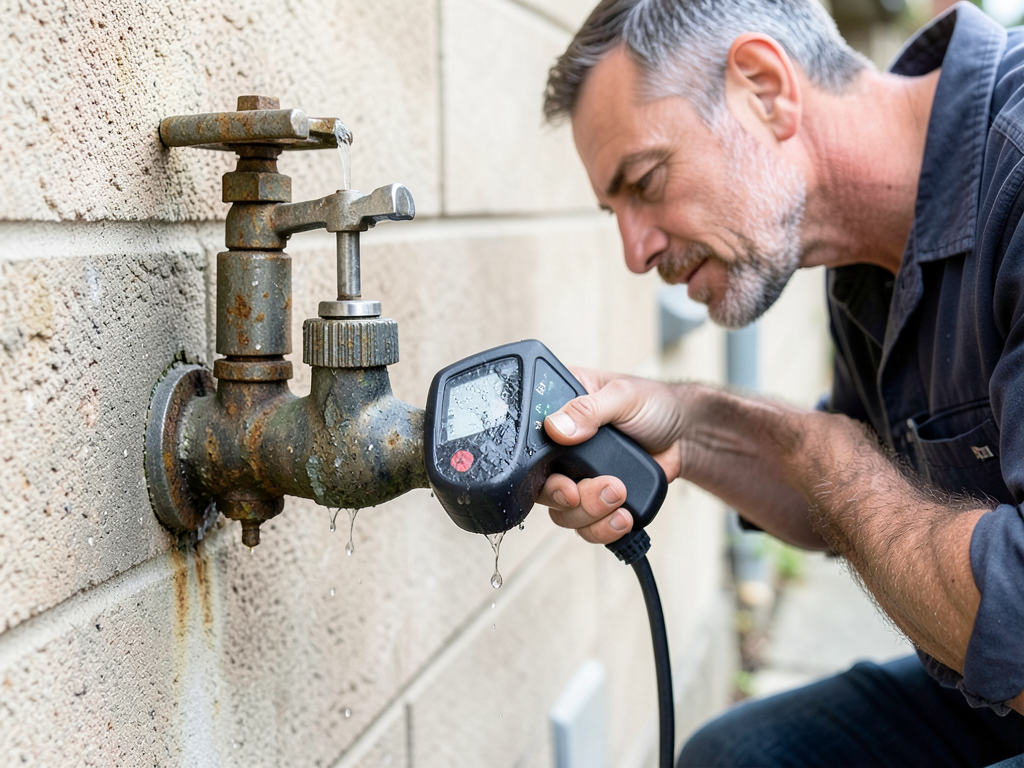
Diagram showing the electrochemical process of salt air corrosion on copper pipes with chloride ions penetrating the metal surface
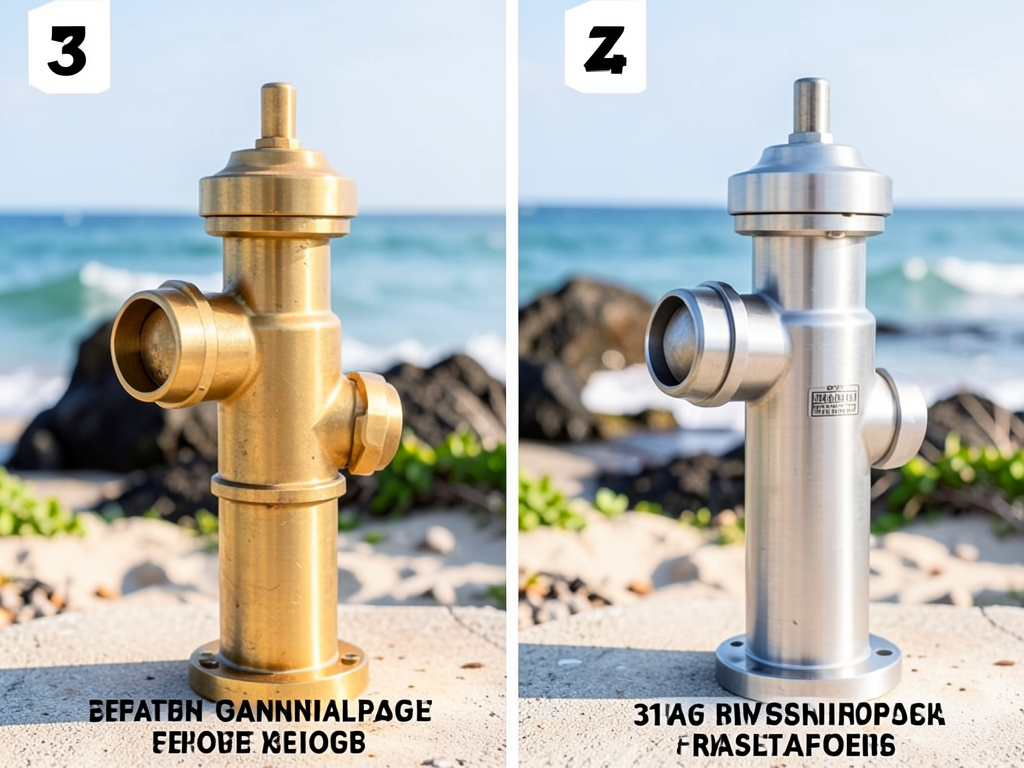
Comparison photo of corroded standard brass outdoor faucet versus new 316 stainless steel fixture after three years of coastal exposure
Maintenance checklist calendar showing seasonal tasks for protecting outdoor plumbing from salt air damage
Salt air corrosion poses a serious threat to outdoor plumbing fixtures in Sandbridge but understanding the science and implementing proper protection strategies can save thousands in replacement costs. The corrosive effects of Virginia Beach’s coastal environment accelerate fixture failure rates by 300 to 500 percent compared to inland properties. Homeowners who invest in corrosion-resistant materials and implement regular maintenance programs protect their property value while eliminating the stress of frequent plumbing emergencies.
Don’t wait until green discoloration or rust spots appear on your outdoor fixtures. The cost of prevention is always lower than emergency repairs. Professional assessment can identify your property’s specific corrosion risks and recommend targeted protection strategies that provide maximum return on investment. Whether you need complete system upgrades or seasonal maintenance our team understands the unique challenges facing Sandbridge properties.
Pick up the phone and call (948) 207-0600 before the next storm hits. Our corrosion protection specialists will inspect your outdoor plumbing system identify vulnerable components and recommend solutions that protect your investment for years to come. Don’t let salt air eat away at your property value one fixture at a time.
Call (948) 207-0600 today to schedule your inspection. Our team serves Sandbridge and all of Virginia Beach with emergency response times under two hours for critical corrosion issues. Protect your outdoor plumbing before minor corrosion becomes major property damage.
You may also find this helpful. Is Your Garden Hose Secretly Driving Up Your Water Bill in Southgate?.
{
“@context”: “https://schema.org”,
“@type”: “BlogPosting”,
“headline”: “How Salt Air and Ocean Spray Corrode Your Outdoor Fixtures in Sandbridge”,
“description”: “Discover how Virginia Beach’s salt air destroys outdoor plumbing fixtures in Sandbridge and learn proven solutions to protect your investment from coastal corrosion.”,
“wordCount”: 3452,
“datePublished”: “2026-05-15T11:05:00.000Z”,
“dateModified”: “2026-05-15T11:05:00.000Z”,
“inLanguage”: “en-US”,
“mainEntityOfPage”: {
“@type”: “WebPage”,
“@id”: “https://libertyplumbingvirginiabeach.com”
},
“publisher”: {
“@type”: “LocalBusiness”,
“name”: “Liberty Plumbing Virginia Beach”,
“url”: “https://libertyplumbingvirginiabeach.com”
},
“author”: {
“@type”: “Organization”,
“name”: “Liberty Plumbing Virginia Beach”,
“url”: “https://libertyplumbingvirginiabeach.com”
},
“image”: {
“@type”: “ImageObject”,
“url”: “https://libertyplumbingvirginiabeach.com/wp-content/uploads/2026/03/how-salt-air-and-ocean-spray-corrode-your-outdoor-1.png”
}
}
{
“@context”: “https://schema.org”,
“@type”: “Plumber”,
“name”: “Liberty Plumbing Virginia Beach”,
“url”: “https://libertyplumbingvirginiabeach.com”,
“address”: {
“@type”: “PostalAddress”,
“addressLocality”: “Virginia Beach”
},
“areaServed”: {
“@type”: “City”,
“name”: “Virginia Beach”
}
}
{
“@context”: “https://schema.org”,
“@type”: “FAQPage”,
“mainEntity”: [
{
“@type”: “Question”,
“name”: “How quickly does salt air corrode outdoor plumbing fixtures in Sandbridge?”,
“acceptedAnswer”: {
“@type”: “Answer”,
“text”: “Salt air begins corroding outdoor fixtures immediately upon exposure with visible effects appearing within 3 to 6 months in Sandbridge’s humid environment. Standard brass fixtures typically fail within 2 to 3 years while 316 stainless steel fixtures last 15 to 20 years with proper maintenance.”
}
},
{
“@type”: “Question”,
“name”: “Can I protect my existing outdoor fixtures from salt air damage?”,
“acceptedAnswer”: {
“@type”: “Answer”,
“text”: “Yes. Marine-grade corrosion inhibitors applied every 90 days create a protective barrier that extends fixture life by 30 to 50 percent. Regular rinsing with fresh water after storms and applying protective coatings can double the lifespan of existing fixtures.”
}
},
{
“@type”: “Question”,
“name”: “What building codes apply to outdoor plumbing in Sandbridge?”,
“acceptedAnswer”: {
“@type”: “Answer”,
“text”: “Virginia Beach requires 316 stainless steel or approved equal for all outdoor plumbing fixtures within 1,500 feet of mean high tide. The Virginia Uniform Statewide Building Code also mandates proper electrical bonding and corrosion protection for coastal properties.”
}
},
{
“@type”: “Question”,
“name”: “How much does it cost to upgrade outdoor plumbing for salt air resistance?”,
“acceptedAnswer”: {
“@type”: “Answer”,
“text”: “Complete outdoor plumbing upgrades for typical Sandbridge homes cost $3,500 to $7,000. This investment extends fixture life from 3 to 5 years to 15 to 20 years providing 300 to 500 percent return through reduced replacement costs.”
}
},
{
“@type”: “Question”,
“name”: “Should I replace my water heater due to salt air exposure?”,
“acceptedAnswer”: {
“@type”: “Answer”,
“text”: “If your water heater is over 8 years old and located in an unconditioned space near the ocean it likely suffers from accelerated corrosion. Professional inspection can determine whether repair or replacement provides better value based on tank condition and efficiency considerations.”
}
}
]
}
{
“@context”: “https://schema.org”,
“@type”: “HowTo”,
“name”: “Seasonal Maintenance for Coastal Plumbing”,
“step”: [
{
“@type”: “HowToStep”,
“position”: 1,
“name”: “Spring Inspection”,
“text”: “Check all outdoor fixtures for green discoloration white deposits or rust spots. Test water flow and pressure at each hose bib. Replace any fixture showing signs of advanced corrosion before summer humidity increases corrosion rates.”
},
{
“@type”: “HowToStep”,
“position”: 2,
“name”: “Summer Protection”,
“text”: “Apply marine-grade corrosion inhibitor to all metal fixtures every 90 days. Rinse fixtures with fresh water after storms to remove salt deposits. Keep vegetation trimmed back to allow air circulation around fixtures reducing moisture retention.”
},
{
“@type”: “HowToStep”,
“position”: 3,
“name”: “Fall Preparation”,
“text”: “Inspect anode rods in water heaters and replace if corroded beyond 50 percent. Check condensate drain lines for leaks or blockages. Test emergency shutoff valves to ensure they operate smoothly.”
},
{
“@type”: “HowToStep”,
“position”: 4,
“name”: “Winterization”,
“text”: “Drain outdoor faucets and insulate exposed pipes when temperatures drop below freezing. Apply protective covers to hose bibs during winter months. Consider installing frost-free hose bibs in exposed locations.”
}
],
“image”: “https://libertyplumbingvirginiabeach.com/wp-content/uploads/2026/03/how-salt-air-and-ocean-spray-corrode-your-outdoor-1.png”
}
{
“@context”: “https://schema.org”,
“@type”: “BreadcrumbList”,
“itemListElement”: [
{
“@type”: “ListItem”,
“position”: 1,
“name”: “Home”,
“item”: “https://libertyplumbingvirginiabeach.com”
},
{
“@type”: “ListItem”,
“position”: 2,
“name”: “Blog”,
“item”: “https://libertyplumbingvirginiabeach.com/blog”
},
{
“@type”: “ListItem”,
“position”: 3,
“name”: “How Salt Air and Ocean Spray Corrode Your Outdoor Fixtures in Sandbridge”
}
]
}
{
“@context”: “https://schema.org”,
“@type”: “Service”,
“serviceType”: “Plumbing”,
“provider”: {
“@type”: “LocalBusiness”,
“name”: “Liberty Plumbing Virginia Beach”,
“url”: “https://libertyplumbingvirginiabeach.com”
},
“areaServed”: {
“@type”: “City”,
“name”: “Virginia Beach”
},
“description”: “Discover how Virginia Beach’s salt air destroys outdoor plumbing fixtures in Sandbridge and learn proven solutions to protect your investment from coastal corrosion.”
}