
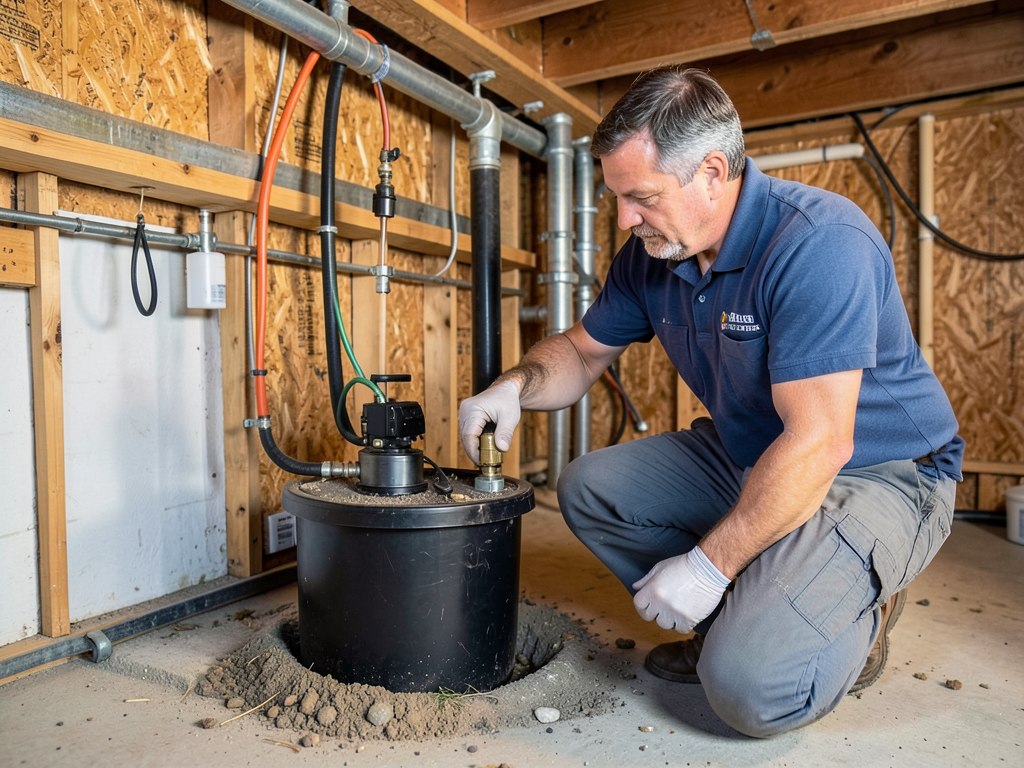
Preparing your outdoor plumbing for a Virginia Beach hurricane or tropical storm
Virginia Beach homeowners know hurricane season can bring more than just high winds. Storm surge, heavy rain, and power outages can turn outdoor plumbing into a flood risk. This guide walks you through the critical steps to protect your home’s water lines, sump pump, and drainage systems before the next storm hits. Keep your Chic’s Beach basement dry with a new sump pump installation.
Why Virginia Beach outdoor plumbing is vulnerable during hurricanes
Virginia Beach sits in a unique coastal zone where high water tables and sandy soil create specific challenges. When heavy rain and storm surge hit, saturated ground can push water back into sewer lines, overwhelm sump pumps, and cause outdoor fixtures to crack under pressure. Homes near the Chesapeake Bay or Atlantic coast face the highest risk of backflow and flooding. Hard water solutions for Pungo properties using well water.
Step 1: Locate and test your main water shut-off valve
Knowing where your main water valve is located can prevent contaminated water from entering your home if a line breaks. Most Virginia Beach homes built after the 1980s have a ball valve near the water meter, often in the front yard or basement. Turn the valve clockwise to shut off water. Test it now—if it’s stuck, call a plumber immediately.
Tip: If you have a well system, locate the well pump disconnect switch instead. Sandbridge and Pungo homes often rely on private wells that need separate shut-off procedures.
Step 2: Inspect and secure outdoor faucets and hose bibs
Remove all hoses and splitters from outdoor faucets. Even in summer, freezing isn’t the only risk—storm debris can crack exposed fixtures. Install insulated covers on each faucet to protect against wind-driven rain and debris impact. Check for leaks by turning the water on briefly and watching for drips.
Step 3: Clean gutters and downspouts to prevent foundation saturation
Clogged gutters overflow during heavy rain, sending water straight to your foundation. Clear leaves, twigs, and sediment from all gutters and downspouts. Ensure downspouts extend at least 6 feet away from your home’s foundation. For homes in flood-prone zones like Chic’s Beach or Sandbridge, consider adding extensions or splash blocks to direct water farther away.
Step 4: Test and maintain your sump pump
A working sump pump is your first defense against basement flooding. Pour a bucket of water into the sump pit to trigger the pump. Listen for unusual noises—grinding or humming may indicate a failing motor. Check the discharge pipe for clogs and ensure it directs water at least 10 feet from your foundation.
Critical: Install a battery backup sump pump. Virginia Beach often loses power during storms, and a standard pump won’t work without electricity. The Virginia Uniform Statewide Building Code (USBC) Section 2802 now requires battery backup for new installations in flood-prone areas.
Step 5: Install or inspect a backwater valve
Backwater valves prevent sewage from backing up into your home when storm surge or heavy rain overwhelms the city sewer system. Homes in low-lying areas like Oceanfront or Shore Drive are especially vulnerable. A licensed plumber can install a valve on your main sewer line. Test it by pouring water into the cleanout and watching for proper closure.
Step 6: Protect your water heater from storm damage
Turn off the gas supply to your water heater if you have a gas model. For electric models, switch off the circuit breaker. This prevents damage from power surges or flooding. If your water heater is in a basement or crawlspace, consider elevating it on a platform to reduce flood risk.
Step 7: Secure outdoor plumbing fixtures and equipment
Anchor or remove outdoor water softeners, irrigation controllers, and pool equipment. High winds can topple unsecured units, breaking pipes and causing flooding. For tankless water heaters mounted outside, check that the unit is properly strapped and that the gas line has an automatic shut-off valve.
Step 8: Clear area drains and French drains
Area drains and French drains prevent water from pooling around your home. Remove debris from drain covers and check for standing water, which may indicate a clog. If you notice slow drainage, call a plumber before the storm—post-storm service calls can take days. Drain Cleaning & Rooter Service.
Step 9: Store potable water safely
Fill clean, food-grade containers with tap water before the storm. The Virginia Beach Department of Public Utilities recommends storing at least one gallon per person per day for three days. Do not rely on filling bathtubs—they are not food-safe and can leak. Label containers with the date and store in a cool, dark place.
Step 10: Know when to call a professional
If you notice any of the following, call a licensed plumber immediately:
- Unusual noises from your sump pump or water heater
- Persistent slow drains or gurgling sounds in multiple fixtures
- Visible corrosion on outdoor pipes or fixtures
- Water pooling near your foundation after light rain
Post-storm plumbing checklist
After the storm passes, inspect your home for plumbing damage: Plumbing Newport News.
- Check for leaks around outdoor faucets, hose bibs, and exposed pipes.
- Test your sump pump by pouring water into the pit.
- Look for signs of sewage backup—slow drains, foul odors, or gurgling toilets.
- Inspect your water heater for damage or leaks.
- Check area drains and gutters for debris that may have accumulated.
If you find any issues, do not attempt DIY repairs. Contaminated water and damaged gas lines pose serious health and safety risks.
Virginia Beach emergency contacts
Save these numbers in your phone before the storm:
- Virginia Beach Department of Public Utilities: (757) 385-4631
- HRSD Emergency: (757) 460-7000
- Liberty Plumbing Virginia Beach (24/7): (948) 207-0600
For real-time storm updates, visit Virginia Beach Government or Virginia Department of Emergency Management.
Frequently Asked Questions
Should I turn off my water main during a hurricane?
Yes, if you plan to evacuate or if your home is in a flood-prone zone. Shutting off the main valve prevents contaminated water from entering your home if a line breaks.
How often should I test my sump pump before hurricane season?
Test your sump pump at least twice a year—once before hurricane season and once in early spring. Regular testing ensures the pump is ready when you need it most.
Can I install a backwater valve myself?
No. Backwater valve installation requires a licensed plumber and compliance with local codes. Improper installation can cause more problems than it solves.
What should I do if my sump pump fails during a storm?
If your sump pump fails and water is rising, use a wet/dry vacuum or buckets to remove water if safe. Call a plumber immediately. Do not enter a flooded basement with standing water due to electrocution risk.
Take action before the next storm
Don’t wait until the last minute. Call (948) 207-0600 today to schedule your pre-hurricane plumbing inspection. Our licensed Virginia Beach plumbers will test your sump pump, inspect backflow prevention, and ensure your outdoor plumbing is storm-ready. Pick up the phone and call (948) 207-0600 before the next storm hits. Commercial Plumbing Contractors.
Liberty Plumbing Virginia Beach is your trusted local expert for emergency plumbing, sump pump installation, and backflow prevention. We serve Virginia Beach, Newport News, Hampton, and surrounding areas with 24/7 emergency service.
{
“@context”: “https://schema.org”,
“@type”: “BlogPosting”,
“headline”: “Preparing your outdoor plumbing for a Virginia Beach hurricane or tropical storm”,
“description”: “Protect your Virginia Beach home from storm surge and flooding with expert outdoor plumbing prep. Learn sump pump maintenance, backflow prevention, and emergency shut-off steps.”,
“wordCount”: 1220,
“datePublished”: “2026-03-25T12:49:00.000Z”,
“dateModified”: “2026-03-25T12:49:00.000Z”,
“inLanguage”: “en-US”,
“mainEntityOfPage”: {
“@type”: “WebPage”,
“@id”: “https://libertyplumbingvirginiabeach.com”
},
“publisher”: {
“@type”: “LocalBusiness”,
“name”: “Liberty Plumbing Virginia Beach”,
“url”: “https://libertyplumbingvirginiabeach.com”
},
“author”: {
“@type”: “Organization”,
“name”: “Liberty Plumbing Virginia Beach”,
“url”: “https://libertyplumbingvirginiabeach.com”
},
“image”: {
“@type”: “ImageObject”,
“url”: “https://libertyplumbingvirginiabeach.com/wp-content/uploads/2026/03/preparing-your-outdoor-plumbing-for-a-virginia-bea-1.png”
}
}
{
“@context”: “https://schema.org”,
“@type”: “Plumber”,
“name”: “Liberty Plumbing Virginia Beach”,
“url”: “https://libertyplumbingvirginiabeach.com”,
“address”: {
“@type”: “PostalAddress”,
“addressLocality”: “Virginia Beach”
},
“areaServed”: {
“@type”: “City”,
“name”: “Virginia Beach”
}
}
{
“@context”: “https://schema.org”,
“@type”: “FAQPage”,
“mainEntity”: [
{
“@type”: “Question”,
“name”: “Should I turn off my water main during a hurricane?”,
“acceptedAnswer”: {
“@type”: “Answer”,
“text”: “Yes, if you plan to evacuate or if your home is in a flood-prone zone. Shutting off the main valve prevents contaminated water from entering your home if a line breaks.”
}
},
{
“@type”: “Question”,
“name”: “How often should I test my sump pump before hurricane season?”,
“acceptedAnswer”: {
“@type”: “Answer”,
“text”: “Test your sump pump at least twice a year—once before hurricane season and once in early spring. Regular testing ensures the pump is ready when you need it most.”
}
},
{
“@type”: “Question”,
“name”: “Can I install a backwater valve myself?”,
“acceptedAnswer”: {
“@type”: “Answer”,
“text”: “No. Backwater valve installation requires a licensed plumber and compliance with local codes. Improper installation can cause more problems than it solves.”
}
},
{
“@type”: “Question”,
“name”: “What should I do if my sump pump fails during a storm?”,
“acceptedAnswer”: {
“@type”: “Answer”,
“text”: “If your sump pump fails and water is rising, use a wet/dry vacuum or buckets to remove water if safe. Call a plumber immediately. Do not enter a flooded basement with standing water due to electrocution risk.”
}
}
]
}
{
“@context”: “https://schema.org”,
“@type”: “BreadcrumbList”,
“itemListElement”: [
{
“@type”: “ListItem”,
“position”: 1,
“name”: “Home”,
“item”: “https://libertyplumbingvirginiabeach.com”
},
{
“@type”: “ListItem”,
“position”: 2,
“name”: “Blog”,
“item”: “https://libertyplumbingvirginiabeach.com/blog”
},
{
“@type”: “ListItem”,
“position”: 3,
“name”: “Preparing your outdoor plumbing for a Virginia Beach hurricane or tropical storm”
}
]
}
{
“@context”: “https://schema.org”,
“@type”: “Service”,
“serviceType”: “Plumbing”,
“provider”: {
“@type”: “LocalBusiness”,
“name”: “Liberty Plumbing Virginia Beach”,
“url”: “https://libertyplumbingvirginiabeach.com”
},
“areaServed”: {
“@type”: “City”,
“name”: “Virginia Beach”
},
“description”: “Protect your Virginia Beach home from storm surge and flooding with expert outdoor plumbing prep. Learn sump pump maintenance, backflow prevention, and emergency shut-off steps.”
}