
The Best Ways to Handle Commercial Grease Trap Issues for Restaurants in the ViBe District
When your grease trap backs up during a Friday dinner rush in the ViBe District, every minute costs you money. That foul odor seeping from the kitchen floor drain isn’t just unpleasant—it’s a ticking health department violation clock. In Virginia Beach’s coastal environment, where salt air accelerates corrosion and humidity creates perfect conditions for bacterial growth, grease trap problems can escalate from minor inconvenience to major emergency in hours. Virginia Code on Sewer Use and Pretreatment.
Commercial kitchens in the ViBe District face unique challenges. The area’s mix of historic buildings and newer construction means aging plumbing systems often connect to modern grease interceptors. Add in the daily volume of fats, oils, and grease (FOG) from restaurants serving everything from craft beer to gourmet burgers, and you have a perfect storm for system failures. Plumbing Newport News.
The first sign of trouble is usually a slow drain or gurgling sound from the floor drain. Within 24 hours, that can become a complete blockage, with wastewater backing up into your kitchen and creating unsanitary conditions that force you to shut down operations. Hard water solutions for Pungo properties using well water.
Common Commercial Grease Trap Problems in Virginia Beach
Understanding what goes wrong helps you prevent disasters. Here are the most frequent issues we see in ViBe District restaurants:
Baffle Wall Deterioration
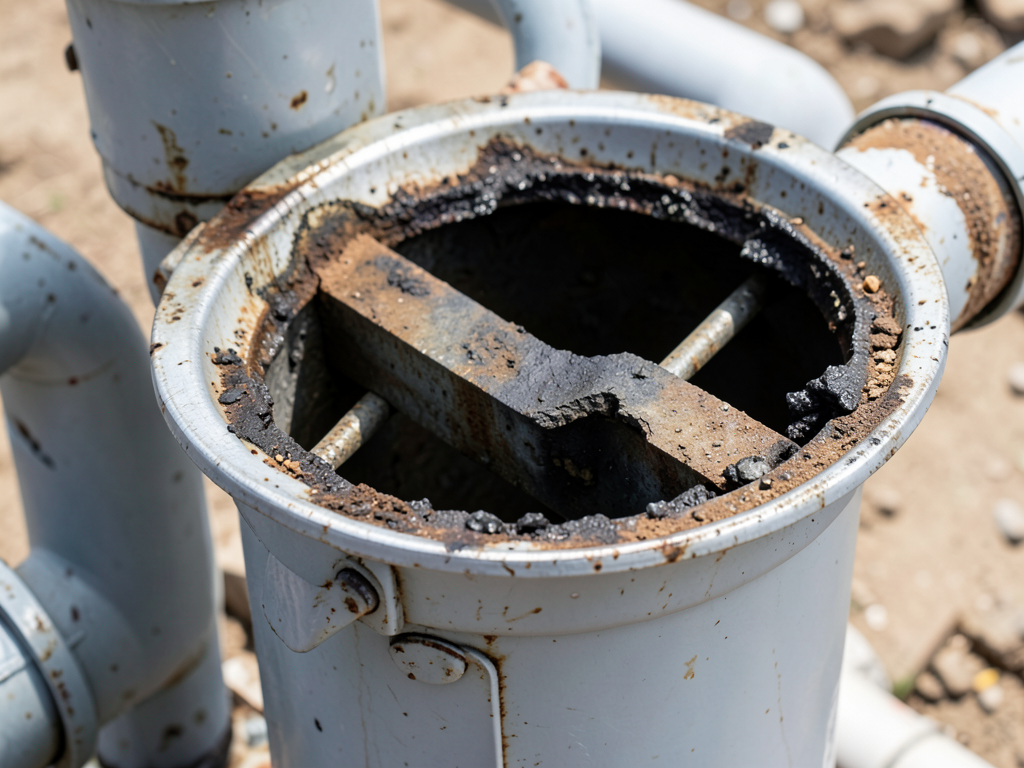
The internal baffle walls separate incoming FOG from outgoing wastewater. In Virginia Beach’s humid climate, these plastic or concrete baffles crack and deteriorate faster than in drier regions. When baffles fail, grease bypasses the trap entirely and flows directly into the sewer system, causing blockages downstream. Keep your Chic’s Beach basement dry with a new sump pump installation.
Inlet/Outlet Pipe Erosion
Constant exposure to hot grease and harsh cleaning chemicals erodes the pipes entering and exiting your trap. The corrosion creates rough surfaces where grease builds up more quickly, leading to chronic clogging. We often find pipes with walls thinned to paper thickness in restaurants that haven’t had proper maintenance. Drain Cleaning & Rooter Service.
Cover and Gasket Failures
The trap’s lid and gasket seal create an airtight barrier that prevents odors and contains gases. Salt air in Virginia Beach causes metal covers to rust and rubber gaskets to degrade. A failed seal means odors escape, gases build pressure, and the trap can’t function properly.
Hydro-mechanical Component Issues
Many newer traps use mechanical components like float switches and automatic timers. These electronic parts fail when exposed to the corrosive environment of a commercial kitchen. A stuck float switch can cause the trap to overflow, while a failed timer means the system never initiates cleaning cycles.
HRSD Compliance Requirements for ViBe District Restaurants
The Hampton Roads Sanitation District enforces strict FOG regulations throughout Virginia Beach. Section 10.2 of the HRSD Fats, Oils, and Grease Control Program requires restaurants to maintain interceptors that prevent discharge of more than 100 parts per million of FOG into the sewer system. Hampton Roads Sanitation District FOG Program.
Restaurants in the ViBe District must install interceptors sized according to their kitchen’s wastewater flow rate. A typical 100-seat restaurant needs a minimum 1,000-gallon interceptor. The code also mandates that interceptors be cleaned when grease accumulation reaches 25% of the tank’s capacity.
Violations result in fines starting at $500 for first offenses, with repeat violations potentially leading to water service termination. The Virginia Beach Department of Public Utilities conducts random inspections, and any restaurant showing signs of FOG violations faces immediate compliance orders.
Local ordinance 24-121 specifically addresses grease trap maintenance in commercial districts. It requires restaurants to keep detailed cleaning logs and make them available for inspection upon request. The logs must show the date of service, gallons removed, and the service provider’s information.
Emergency Repair Process for Commercial Kitchens
When your grease trap fails during service hours, you need a systematic approach that minimizes downtime. Here’s our proven emergency repair process:
- Initial Assessment
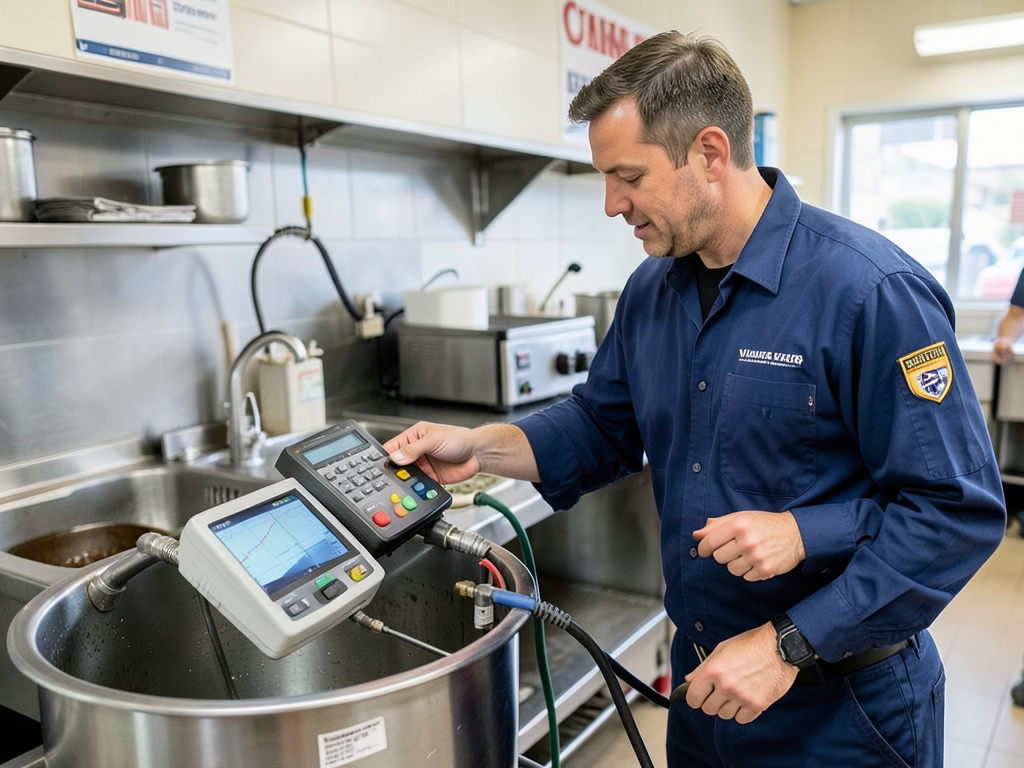
Our technician arrives within 90 minutes of your call, equipped with diagnostic tools to identify the exact failure point. We check for obvious blockages, test baffle integrity, and inspect all mechanical components.
- Containment and Safety
We establish containment barriers to prevent contamination of your kitchen. This includes setting up temporary drainage solutions and ensuring all standing water is properly disposed of according to HRSD regulations.
- Problem Isolation
Using camera inspection equipment, we locate the exact source of the blockage or failure. This might be a collapsed baffle, a clogged inlet pipe, or a failed mechanical component.
- Immediate Repair or Bypass
Depending on the severity, we either perform immediate repairs or install temporary bypass plumbing to restore kitchen operations while permanent repairs are completed.
- System Testing
After repairs, we run the system through multiple cycles to ensure proper function. We test for leaks, verify baffle separation, and confirm that all mechanical components are operating correctly.
Preventive Maintenance Strategies
The best way to handle grease trap issues is to prevent them entirely. Here’s our recommended maintenance schedule for ViBe District restaurants:
Weekly Kitchen Staff Training
Your kitchen staff should know what goes into the trap and what doesn’t. Train them to scrape plates thoroughly, use sink strainers, and never pour fryer oil down the drain. Even small amounts of grease accumulate over time.
Monthly Inspection Checklist
Every month, check for these warning signs:
- Slow draining sinks
- Gurgling sounds from floor drains
- Unpleasant odors near the trap
- Water pooling around the trap area
- Unusual noises from mechanical components
Quarterly Professional Cleaning
Even with good kitchen practices, your trap needs professional cleaning every three months. This involves pumping out all contents, pressure washing the interior, inspecting all components, and testing system functionality.
Annual Comprehensive Service
Once a year, have a licensed plumber perform a complete system evaluation. This includes camera inspection of all connected pipes, testing of mechanical components, and assessment of the trap’s structural integrity.
Cost Comparison: Repair vs. Replacement
Understanding when to repair versus replace your grease trap can save you thousands of dollars. Here’s a breakdown of typical costs for different scenarios:
| Issue Type | Repair Cost Range | Replacement Cost Range | Recommended Action |
|---|---|---|---|
| Baffle Wall Damage | $300 – $800 | $2,500 – $5,000 | Repair if under 5 years old |
| Inlet/Outlet Pipe Corrosion | $400 – $1,200 | $3,000 – $6,000 | Repair if localized |
| Cover and Gasket Failure | $150 – $400 | $2,000 – $4,000 | Always repair |
| Complete System Failure | $N/A | $4,000 – $10,000 | Replacement required |
Choosing the Right Service Provider
Not all plumbing companies have the expertise to handle commercial grease trap issues properly. Here’s what to look for:
Virginia Contractor License
Verify the company holds a valid Virginia Contractor Class A or B license with appropriate endorsements. Commercial grease trap work requires specific certifications that residential plumbers may not possess.
HRSD Certification
Technicians should be certified by the Hampton Roads Sanitation District for FOG program compliance. This ensures they understand local regulations and can properly document all work performed.
Insurance Coverage
Commercial work requires higher insurance limits than residential plumbing. Verify the company carries at least $1 million in general liability coverage and worker’s compensation insurance.
Emergency Response Capability
Ask about response times and availability. A company that can’t guarantee 24/7 emergency service isn’t prepared for the realities of commercial kitchen operations.
Impact of Virginia Beach Climate on Grease Trap Performance
The coastal climate in Virginia Beach creates specific challenges for grease trap systems. High humidity accelerates corrosion of metal components, while occasional hard freezes can cause pipes to burst if water remains in the system. What to do when you have a burst pipe in your Little Neck home.
During hurricane season, power outages can disable mechanical components, causing traps to overflow when they can’t process incoming wastewater. The salt air also accelerates deterioration of rubber seals and plastic components.
Temperature fluctuations common in Virginia Beach cause pipes to expand and contract, creating stress points where leaks develop. This is particularly problematic in older buildings where pipes may already be compromised.
Health Department Inspection Preparation
Health department inspections can happen without notice, and grease trap violations are among the most common reasons restaurants fail inspections. Here’s how to prepare:
Documentation Requirements
Keep detailed records of all maintenance performed, including dates, service providers, and gallons of grease removed. Health inspectors will ask to see these records during inspections.
Visual Inspection Checklist
Before any inspection, check for:
- Clean exterior surfaces with no visible grease buildup
- Intact seals and gaskets
- Proper labeling of all components
- Accessible cleanout points
- No standing water around the trap
Common Violations to Avoid
The most frequent violations we see include:
- Missing or incomplete maintenance logs
- Overflowing traps
- Improper disposal of grease waste
- Missing required signage
- Failed mechanical components
Technology and Modern Solutions
Modern grease trap technology offers solutions to many traditional problems. Automatic grease removal units (AGRU) use mechanical skimmers to continuously remove FOG, reducing the need for manual pumping.
Smart monitoring systems can alert you when grease levels approach critical thresholds, allowing you to schedule maintenance before problems occur. Some systems even integrate with building management systems to provide real-time monitoring.
Bioremediation systems use beneficial bacteria to break down FOG naturally, reducing the volume that accumulates in your trap. These systems work best as part of a comprehensive maintenance strategy.
Frequently Asked Questions
How often should my restaurant’s grease trap be cleaned?
Most restaurants need professional cleaning every 1-3 months, depending on kitchen volume and menu type. Restaurants serving fried foods may need monthly service, while those with lighter menus might go quarterly.
What are the signs that my grease trap needs immediate attention?
Slow draining sinks, gurgling sounds, foul odors, water backing up in floor drains, and visible grease around the trap area all indicate urgent problems requiring immediate service.
Can I clean my grease trap myself?
While basic maintenance is possible, professional cleaning ensures proper disposal of waste according to HRSD regulations and includes inspection of all components for potential problems.
What happens if my grease trap fails a health department inspection?
You’ll receive a violation notice requiring immediate correction. Depending on the severity, you may need to cease operations until repairs are completed, potentially costing thousands in lost revenue.
How much does emergency grease trap repair cost?
Emergency service typically costs 1.5-2 times standard rates, with most repairs ranging from $300-$1,500 depending on the problem’s complexity and required parts.
Are there any local grants or assistance programs for grease trap upgrades?
The City of Virginia Beach occasionally offers compliance assistance programs for small businesses. Contact the Department of Public Utilities to inquire about current availability.
Don’t let grease trap problems shut down your restaurant and cost you thousands in lost revenue. The ViBe District’s vibrant restaurant scene depends on reliable kitchen operations, and a failed grease trap can bring everything to a grinding halt.
Our team understands the unique challenges Virginia Beach restaurants face. We’re familiar with HRSD regulations, local building codes, and the specific climate factors that affect grease trap performance in coastal environments.
When you call (948) 207-0600, you’re reaching a team that responds within 90 minutes, not 24 hours. We carry the parts and equipment needed to handle most repairs on the first visit, minimizing your downtime and getting your kitchen back online quickly.
Pick up the phone and call (948) 207-0600 before the next dinner rush. Whether you need emergency repair, routine maintenance, or a complete system evaluation, we’re ready to help keep your restaurant running smoothly.
Remember, a small investment in preventive maintenance today can prevent a major emergency tomorrow. Don’t wait until your kitchen floods to call for help.
{
“@context”: “https://schema.org”,
“@type”: “BlogPosting”,
“headline”: “The Best Ways to Handle Commercial Grease Trap Issues for Restaurants in the ViBe District”,
“description”: “Emergency grease trap repair for Virginia Beach restaurants. 24/7 service in the ViBe District. HRSD compliance and health department violations prevented. Call (948) 207-0600.”,
“wordCount”: 1937,
“datePublished”: “2026-04-19T09:10:00.000Z”,
“dateModified”: “2026-04-19T09:10:00.000Z”,
“inLanguage”: “en-US”,
“mainEntityOfPage”: {
“@type”: “WebPage”,
“@id”: “https://libertyplumbingvirginiabeach.com”
},
“publisher”: {
“@type”: “LocalBusiness”,
“name”: “Liberty Plumbing Virginia Beach”,
“url”: “https://libertyplumbingvirginiabeach.com”
},
“author”: {
“@type”: “Organization”,
“name”: “Liberty Plumbing Virginia Beach”,
“url”: “https://libertyplumbingvirginiabeach.com”
},
“image”: {
“@type”: “ImageObject”,
“url”: “https://libertyplumbingvirginiabeach.com/wp-content/uploads/2026/03/the-best-ways-to-handle-commercial-grease-trap-iss-1.png”
}
}
{
“@context”: “https://schema.org”,
“@type”: “Plumber”,
“name”: “Liberty Plumbing Virginia Beach”,
“url”: “https://libertyplumbingvirginiabeach.com”,
“address”: {
“@type”: “PostalAddress”,
“addressLocality”: “Virginia Beach”
},
“areaServed”: {
“@type”: “City”,
“name”: “Virginia Beach”
}
}
{
“@context”: “https://schema.org”,
“@type”: “FAQPage”,
“mainEntity”: [
{
“@type”: “Question”,
“name”: “How often should my restaurant’s grease trap be cleaned?”,
“acceptedAnswer”: {
“@type”: “Answer”,
“text”: “Most restaurants need professional cleaning every 1-3 months, depending on kitchen volume and menu type. Restaurants serving fried foods may need monthly service, while those with lighter menus might go quarterly.”
}
},
{
“@type”: “Question”,
“name”: “What are the signs that my grease trap needs immediate attention?”,
“acceptedAnswer”: {
“@type”: “Answer”,
“text”: “Slow draining sinks, gurgling sounds, foul odors, water backing up in floor drains, and visible grease around the trap area all indicate urgent problems requiring immediate service.”
}
},
{
“@type”: “Question”,
“name”: “Can I clean my grease trap myself?”,
“acceptedAnswer”: {
“@type”: “Answer”,
“text”: “While basic maintenance is possible, professional cleaning ensures proper disposal of waste according to HRSD regulations and includes inspection of all components for potential problems.”
}
},
{
“@type”: “Question”,
“name”: “What happens if my grease trap fails a health department inspection?”,
“acceptedAnswer”: {
“@type”: “Answer”,
“text”: “You’ll receive a violation notice requiring immediate correction. Depending on the severity, you may need to cease operations until repairs are completed, potentially costing thousands in lost revenue.”
}
},
{
“@type”: “Question”,
“name”: “How much does emergency grease trap repair cost?”,
“acceptedAnswer”: {
“@type”: “Answer”,
“text”: “Emergency service typically costs 1.5-2 times standard rates, with most repairs ranging from $300-$1,500 depending on the problem’s complexity and required parts.”
}
},
{
“@type”: “Question”,
“name”: “Are there any local grants or assistance programs for grease trap upgrades?”,
“acceptedAnswer”: {
“@type”: “Answer”,
“text”: “The City of Virginia Beach occasionally offers compliance assistance programs for small businesses. Contact the Department of Public Utilities to inquire about current availability.”
}
}
]
}
{
“@context”: “https://schema.org”,
“@type”: “HowTo”,
“name”: “Emergency Grease Trap Repair”,
“step”: [
{
“@type”: “HowToStep”,
“position”: 1,
“name”: “Initial Assessment”,
“text”: “Our technician arrives within 90 minutes of your call, equipped with diagnostic tools to identify the exact failure point. We check for obvious blockages, test baffle integrity, and inspect all mechanical components.”
},
{
“@type”: “HowToStep”,
“position”: 2,
“name”: “Containment and Safety”,
“text”: “We establish containment barriers to prevent contamination of your kitchen. This includes setting up temporary drainage solutions and ensuring all standing water is properly disposed of according to HRSD regulations.”
},
{
“@type”: “HowToStep”,
“position”: 3,
“name”: “Problem Isolation”,
“text”: “Using camera inspection equipment, we locate the exact source of the blockage or failure. This might be a collapsed baffle, a clogged inlet pipe, or a failed mechanical component.”
},
{
“@type”: “HowToStep”,
“position”: 4,
“name”: “Immediate Repair or Bypass”,
“text”: “Depending on the severity, we either perform immediate repairs or install temporary bypass plumbing to restore kitchen operations while permanent repairs are completed.”
},
{
“@type”: “HowToStep”,
“position”: 5,
“name”: “System Testing”,
“text”: “After repairs, we run the system through multiple cycles to ensure proper function. We test for leaks, verify baffle separation, and confirm that all mechanical components are operating correctly.”
}
],
“image”: “https://libertyplumbingvirginiabeach.com/wp-content/uploads/2026/03/the-best-ways-to-handle-commercial-grease-trap-iss-1.png”
}
{
“@context”: “https://schema.org”,
“@type”: “BreadcrumbList”,
“itemListElement”: [
{
“@type”: “ListItem”,
“position”: 1,
“name”: “Home”,
“item”: “https://libertyplumbingvirginiabeach.com”
},
{
“@type”: “ListItem”,
“position”: 2,
“name”: “Blog”,
“item”: “https://libertyplumbingvirginiabeach.com/blog”
},
{
“@type”: “ListItem”,
“position”: 3,
“name”: “The Best Ways to Handle Commercial Grease Trap Issues for Restaurants in the ViBe District”
}
]
}
{
“@context”: “https://schema.org”,
“@type”: “Service”,
“serviceType”: “Plumbing”,
“provider”: {
“@type”: “LocalBusiness”,
“name”: “Liberty Plumbing Virginia Beach”,
“url”: “https://libertyplumbingvirginiabeach.com”
},
“areaServed”: {
“@type”: “City”,
“name”: “Virginia Beach”
},
“description”: “Emergency grease trap repair for Virginia Beach restaurants. 24/7 service in the ViBe District. HRSD compliance and health department violations prevented. Call (948) 207-0600.”
}