
The Hidden Signs of Slab Leaks in Older Diamond Springs Ranch Style Homes
Slab leaks in Virginia Beach ranch homes can cause thousands of dollars in damage before you even know they exist. These hidden plumbing failures occur when pressurized water lines beneath your concrete foundation develop cracks or pinholes, allowing water to seep into the slab and surrounding soil. In Diamond Springs, many homes built between the 1960s and 1980s have copper pipes that are now reaching the end of their lifespan, making them particularly vulnerable to corrosion from our coastal environment. Virginia Uniform Statewide Building Code.
The first sign is often subtle. You might notice your water bill creeping up without explanation, or feel a warm spot on your floor that shouldn’t be there. These early warning signs are easy to dismiss, but they indicate water is already escaping beneath your home’s foundation. By the time you see visible damage, the repair costs can multiply quickly. EPA WaterSense Fix a Leak Week.
Virginia Beach’s unique combination of sandy soil, high water table, and salt air creates the perfect conditions for slab leaks to develop and worsen. The shifting soil puts stress on buried pipes while the humid coastal air accelerates copper corrosion through a process called electrolysis. Understanding these local factors is crucial for Diamond Springs homeowners who want to protect their investment. Keep your Chic’s Beach basement dry with a new sump pump installation.
Understanding Your Home’s Plumbing System
Ranch style homes in Diamond Springs typically feature a concrete slab foundation with pressurized water lines running through the slab before branching up to fixtures. These pipes are often copper, which was the standard material for decades. However, copper’s vulnerability to pitting corrosion becomes a serious issue in our coastal environment. Hard water solutions for Pungo properties using well water.
The water lines in your slab carry pressurized water from your main supply line to every faucet, toilet, and appliance in your home. Unlike drain lines that only carry waste when fixtures are used, pressurized lines are constantly under pressure. This means a small leak can waste hundreds of gallons per day, causing both water damage and structural issues. Drain Cleaning & Rooter Service.
Many Diamond Springs homes were built during a construction boom when building codes were less stringent about pipe material and installation methods. Some homes have pipes that were run too close to the surface of the slab or installed without proper insulation from the concrete, making them more susceptible to temperature fluctuations and physical stress.
7 Warning Signs You Cannot Ignore
Recognizing the early signs of a slab leak can save you thousands in repair costs. Here are the most common indicators that Diamond Springs homeowners should watch for:
- Unexplained increases in your water bill – If your HRSD water bill jumps by 20% or more without a change in usage, you likely have a hidden leak somewhere in your system.
- Warm spots on your floor – Hot water line leaks create temperature differences you can feel through tile, hardwood, or even carpet. These spots often appear in consistent patterns corresponding to pipe runs.
- Sound of running water when all fixtures are off – If you hear water moving through pipes when everything is turned off, you’re hearing pressurized water escaping somewhere it shouldn’t be.
- Cracks in your foundation or walls – As water erodes the soil beneath your slab, the foundation can shift and settle unevenly, causing visible cracks.
- Damp carpet or warped flooring – Water wicking up through the slab creates moisture problems that affect your flooring materials, often starting near walls or in corners.
- Musty odors or visible mold growth – Virginia Beach’s high humidity combined with hidden moisture creates ideal conditions for mold, which often appears as black spots on baseboards or in corners.
- Low water pressure throughout the house – A significant leak reduces the pressure available to your fixtures, causing weak flow at faucets and showerheads.
These signs often appear gradually, making them easy to dismiss as minor issues. However, each one indicates that water is already damaging your home’s structure and creating conditions for more serious problems.
Why Diamond Springs Homes Are Especially Vulnerable
The Diamond Springs area sits on a layer of sandy loam soil that drains well but also shifts easily when saturated. This soil movement puts constant stress on buried pipes, causing microscopic cracks that grow over time. The high water table in this part of Virginia Beach means the water level is often just a few feet below the surface, increasing hydrostatic pressure on your home’s foundation.. Read more about Why Your West Neck Home Has Mysterious Cracks in the Plumbing (The Soil Problem).
Coastal salt air contains chloride ions that accelerate copper pipe corrosion through electrolysis. This process creates tiny pinholes in the pipe walls that grow larger over time. The Virginia Department of Environmental Quality has documented accelerated pipe corrosion rates in coastal areas compared to inland regions.
Many Diamond Springs homes were built during the 1970s construction boom when copper was the primary material used for water lines. These pipes are now 45-55 years old and approaching the end of their expected service life. The combination of age, material, and environmental factors makes these homes particularly susceptible to slab leaks.
Distinguishing Slab Leaks from Other Plumbing Issues
Not every plumbing problem requires slab leak detection. Understanding the difference can save you time and money. A slab leak occurs beneath your concrete foundation, while other leaks happen in more accessible locations. Plumbing Newport News.
Service line leaks occur between your water meter and your home’s main shutoff valve. These leaks are in your yard rather than under your slab and often create visible wet spots or pooling water in your lawn. You can usually locate your service line by finding the water meter near the street and following the pipe path to your home.
Fixture leaks are the most obvious type – they occur at faucets, toilets, or appliances and are usually visible as dripping or pooling water. These are typically easy to repair without professional detection equipment.
The key difference with slab leaks is that they are completely hidden. You cannot see, hear, or easily access the damaged pipe. This is why professional detection methods using specialized equipment are necessary for accurate diagnosis.
The DIY Meter Test: Your First Diagnostic Step
Before calling a professional, you can perform a simple water meter test to confirm whether you have a leak anywhere in your system. This test won’t tell you if it’s a slab leak specifically, but it will confirm if water is escaping somewhere.
Start by locating your water meter, typically in a small box near the street. Most HRSD meters have a small triangular dial or digital display that shows water flow. Turn off all water fixtures in your home, including ice makers and sprinkler systems. Watch the meter for 15-30 minutes. If the dial moves or the numbers increase, you have a leak.
For a more accurate test, record the meter reading, wait two hours without using any water, then check again. Any increase indicates water is escaping somewhere. If the meter shows no movement but you still suspect a leak based on your symptoms, the leak may be very small or intermittent.. Read more about How to Check if Your Older Property in College Park Still Has Lead Pipes.
This test is valuable because it gives you concrete evidence before investing in professional detection services. However, it cannot tell you where the leak is located or what type of repair is needed.
Professional Detection Technology We Use
Modern leak detection has evolved far beyond the old method of jackhammering random sections of your floor. Today’s technology allows us to pinpoint leaks with remarkable accuracy, minimizing damage to your home.
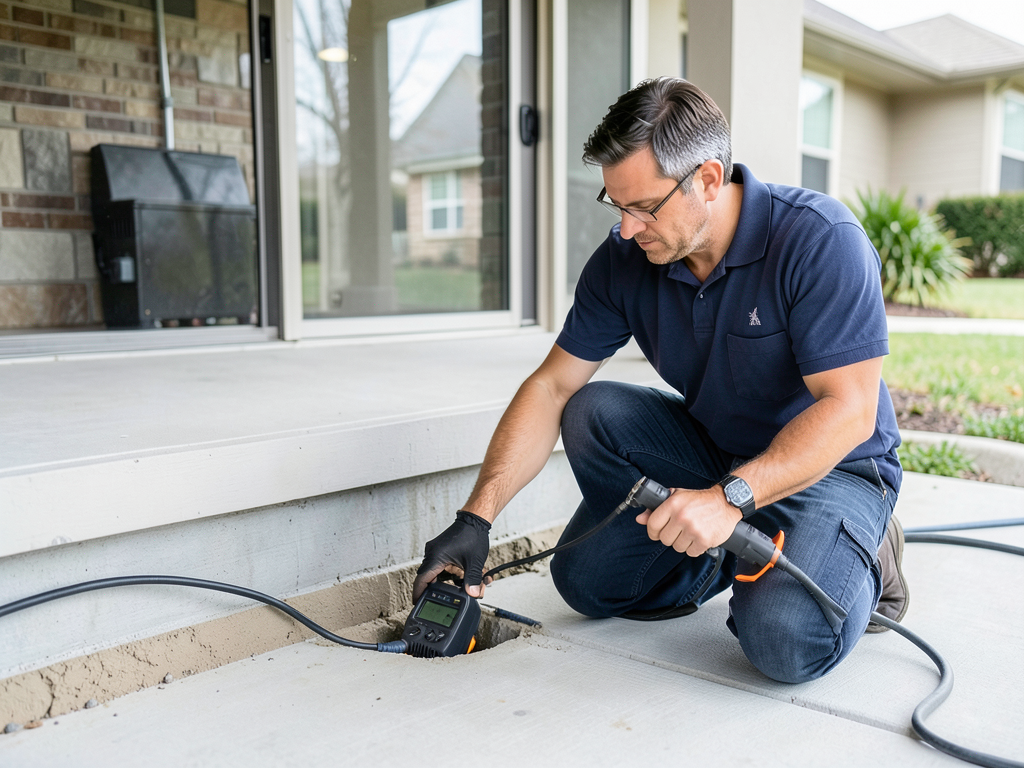
Electronic leak detection uses sensitive listening devices to hear the sound of water escaping from pipes. These devices can detect the specific frequency of water movement through different materials and can isolate the sound to a particular area of your home. The technology is sensitive enough to distinguish between a slab leak and normal household sounds.
Thermal imaging cameras detect temperature differences in your floor caused by hot water line leaks. These cameras create a visual map showing exactly where the warm water is pooling beneath your slab. This method is particularly effective for hot water line leaks, which are more common than cold water line leaks in our area.
Pressure testing involves isolating sections of your plumbing system and monitoring pressure changes. A drop in pressure indicates a leak in that section. This method helps narrow down the location before using more precise detection methods. Commercial Plumbing Contractors.
Moisture meters measure the amount of water in your concrete slab at various depths. These readings help determine how long a leak has been active and how widespread the moisture problem has become.
Repair Options: What to Expect
Once we’ve located your leak, several repair approaches are available depending on the specific situation. The best option depends on factors like the leak’s location, your home’s age, and your long-term plans for the property.
Spot repair involves accessing the damaged pipe section directly. For accessible leaks, we may be able to tunnel under your slab rather than breaking through the concrete. This method preserves your flooring and is less disruptive to your home. However, if the leak is in the middle of a room or near load-bearing walls, we may need to break through the slab.
Repiping replaces all the water lines in your home rather than just fixing the leaking section. This approach makes sense for older homes with multiple potential failure points. We typically run new PEX or copper lines through your walls and attic, bypassing the old slab pipes entirely. This eliminates the risk of future slab leaks and often improves your water pressure.
Pipe relining involves inserting a new liner inside your existing pipes. This trenchless method creates a new pipe within the old one without accessing the damaged section directly. However, this method isn’t suitable for all situations, particularly if the pipe has collapsed or has severe corrosion.
The Virginia Uniform Statewide Building Code requires that all plumbing repairs meet specific standards for material quality and installation methods. We ensure all our repairs comply with these requirements, including proper pressure testing and documentation.
Cost Factors and Insurance Considerations
The cost of slab leak detection and repair varies significantly based on several factors. Detection typically costs between $200-$500, while repairs can range from $500 for simple spot repairs to $5,000+ for extensive repiping projects.
Factors affecting cost include the leak’s location, the repair method chosen, your home’s construction type, and whether you need temporary water service during repairs. Repairs that require breaking through the slab and replacing flooring are considerably more expensive than tunnel-based repairs.
Most Virginia Beach homeowners insurance policies cover the cost of tearing out and replacing flooring to access a leaking pipe, but they typically do not cover the actual plumbing repair or the pipe itself. This means your insurance might pay for removing and replacing your tile or carpet, but you’re responsible for the plumbing work.
Some policies offer additional coverage for service line repairs, which would cover leaks in the pipe between your meter and your home. Check your policy details or contact your insurance provider to understand what’s covered before proceeding with repairs.
Preventing Future Slab Leaks
While you can’t eliminate the risk of slab leaks entirely, several steps can reduce your vulnerability. Regular plumbing inspections can catch early signs of pipe deterioration before leaks develop. We recommend annual inspections for homes over 30 years old or those with known plumbing issues.
Water pressure monitoring is crucial. Excessive water pressure stresses your pipes and accelerates corrosion. The ideal residential water pressure is between 40-60 psi. If your pressure exceeds 80 psi, installing a pressure-reducing valve can extend your pipes’ lifespan significantly.
Water quality affects pipe longevity. Hard water accelerates mineral buildup and corrosion, while water with high chlorine content can degrade pipe materials over time. Water testing can identify quality issues that might be addressed with filtration systems.
For homes with copper pipes approaching 40-50 years old, proactive repiping might be more cost-effective than waiting for leaks to occur. The cost of preventive repiping is often less than the cumulative cost of multiple emergency repairs plus water damage restoration.
According to the EPA’s WaterSense program, a single household leak can waste nearly 10,000 gallons of water per year. Fixing leaks promptly not only prevents damage but also conserves water and reduces your utility bills.
When to Call a Professional Immediately
Some situations require immediate professional attention to prevent catastrophic damage. Call us right away if you experience any of these scenarios:
- Water pooling inside your home with no obvious source
- Sudden, severe drops in water pressure affecting your entire house
- Visible foundation movement or large cracks appearing suddenly
- Water heater running constantly despite normal usage
- Sewer odors coming from drains or your yard
These symptoms indicate problems that could worsen rapidly, potentially causing structural damage or creating health hazards from mold growth. Our 24/7 emergency service means we can respond quickly to prevent further damage.
Time is critical with slab leaks. Water continuously erodes soil and concrete, and mold can begin growing within 24-48 hours of moisture exposure. The longer you wait, the more extensive and expensive the repairs become.
Call (948) 207-0600 today to schedule your inspection. Our experienced technicians use advanced detection equipment to locate leaks quickly and accurately, minimizing damage to your home. Don’t let a small leak become a major disaster.
Frequently Asked Questions
How long does slab leak detection take?
Most slab leak detection appointments take 1-2 hours, depending on your home’s size and the complexity of your plumbing system. Our technicians use advanced equipment to pinpoint leaks quickly and accurately.
Can I stay in my home during repairs?
Yes, in most cases you can remain in your home during slab leak repairs. We work to minimize disruption and can often maintain partial water service. For extensive repiping projects, temporary arrangements might be necessary.
How much does slab leak repair cost in Virginia Beach?
Repair costs vary widely based on the specific situation. Simple spot repairs might cost $500-$1,500, while extensive repiping can range from $3,000-$8,000. We provide detailed estimates before starting any work.
Will my insurance cover slab leak damage?
Most homeowners insurance policies cover the cost of accessing and repairing the leak, including flooring removal and replacement, but not the actual plumbing repair. Check your specific policy or contact your insurance provider for details.
How can I prevent slab leaks in my older home?
Regular plumbing inspections, maintaining proper water pressure, and addressing small issues promptly can help prevent slab leaks. For homes with aging copper pipes, proactive repiping might be the most cost-effective long-term solution.
What’s the difference between a slab leak and a foundation problem?
A slab leak is a plumbing issue where water escapes from pipes beneath your concrete slab. Foundation problems involve the structural integrity of your home’s base. While slab leaks can cause foundation issues over time, they are distinct problems requiring different solutions.
You may also find this helpful. Why Your Sump Pump Needs a Battery Backup Before the Next Virginia Beach Nor’easter.
You may also find this helpful. Is Your Garden Hose Secretly Driving Up Your Water Bill in Southgate?.
{
“@context”: “https://schema.org”,
“@type”: “BlogPosting”,
“headline”: “The Hidden Signs of Slab Leaks in Older Diamond Springs Ranch Style Homes”,
“description”: “Spot the warning signs of slab leaks in your Diamond Springs ranch home before costly damage occurs. Learn what to watch for and when to call Virginia Beach’s leak detection experts.”,
“wordCount”: 2509,
“datePublished”: “2026-05-18T07:37:00.000Z”,
“dateModified”: “2026-05-18T07:37:00.000Z”,
“inLanguage”: “en-US”,
“mainEntityOfPage”: {
“@type”: “WebPage”,
“@id”: “https://libertyplumbingvirginiabeach.com”
},
“publisher”: {
“@type”: “LocalBusiness”,
“name”: “Liberty Plumbing Virginia Beach”,
“url”: “https://libertyplumbingvirginiabeach.com”
},
“author”: {
“@type”: “Organization”,
“name”: “Liberty Plumbing Virginia Beach”,
“url”: “https://libertyplumbingvirginiabeach.com”
},
“image”: {
“@type”: “ImageObject”,
“url”: “https://libertyplumbingvirginiabeach.com/wp-content/uploads/2026/03/the-hidden-signs-of-slab-leaks-in-older-diamond-sp-1.png”
}
}
{
“@context”: “https://schema.org”,
“@type”: “Plumber”,
“name”: “Liberty Plumbing Virginia Beach”,
“url”: “https://libertyplumbingvirginiabeach.com”,
“address”: {
“@type”: “PostalAddress”,
“addressLocality”: “Virginia Beach”
},
“areaServed”: {
“@type”: “City”,
“name”: “Virginia Beach”
}
}
{
“@context”: “https://schema.org”,
“@type”: “FAQPage”,
“mainEntity”: [
{
“@type”: “Question”,
“name”: “How long does slab leak detection take?”,
“acceptedAnswer”: {
“@type”: “Answer”,
“text”: “Most slab leak detection appointments take 1-2 hours, depending on your home’s size and the complexity of your plumbing system. Our technicians use advanced equipment to pinpoint leaks quickly and accurately.”
}
},
{
“@type”: “Question”,
“name”: “Can I stay in my home during repairs?”,
“acceptedAnswer”: {
“@type”: “Answer”,
“text”: “Yes, in most cases you can remain in your home during slab leak repairs. We work to minimize disruption and can often maintain partial water service. For extensive repiping projects, temporary arrangements might be necessary.”
}
},
{
“@type”: “Question”,
“name”: “How much does slab leak repair cost in Virginia Beach?”,
“acceptedAnswer”: {
“@type”: “Answer”,
“text”: “Repair costs vary widely based on the specific situation. Simple spot repairs might cost $500-$1,500, while extensive repiping can range from $3,000-$8,000. We provide detailed estimates before starting any work.”
}
},
{
“@type”: “Question”,
“name”: “Will my insurance cover slab leak damage?”,
“acceptedAnswer”: {
“@type”: “Answer”,
“text”: “Most homeowners insurance policies cover the cost of accessing and repairing the leak, including flooring removal and replacement, but not the actual plumbing repair. Check your specific policy or contact your insurance provider for details.”
}
},
{
“@type”: “Question”,
“name”: “How can I prevent slab leaks in my older home?”,
“acceptedAnswer”: {
“@type”: “Answer”,
“text”: “Regular plumbing inspections, maintaining proper water pressure, and addressing small issues promptly can help prevent slab leaks. For homes with aging copper pipes, proactive repiping might be the most cost-effective long-term solution.”
}
},
{
“@type”: “Question”,
“name”: “What’s the difference between a slab leak and a foundation problem?”,
“acceptedAnswer”: {
“@type”: “Answer”,
“text”: “A slab leak is a plumbing issue where water escapes from pipes beneath your concrete slab. Foundation problems involve the structural integrity of your home’s base. While slab leaks can cause foundation issues over time, they are distinct problems requiring different solutions.”
}
}
]
}
{
“@context”: “https://schema.org”,
“@type”: “BreadcrumbList”,
“itemListElement”: [
{
“@type”: “ListItem”,
“position”: 1,
“name”: “Home”,
“item”: “https://libertyplumbingvirginiabeach.com”
},
{
“@type”: “ListItem”,
“position”: 2,
“name”: “Blog”,
“item”: “https://libertyplumbingvirginiabeach.com/blog”
},
{
“@type”: “ListItem”,
“position”: 3,
“name”: “The Hidden Signs of Slab Leaks in Older Diamond Springs Ranch Style Homes”
}
]
}
{
“@context”: “https://schema.org”,
“@type”: “Service”,
“serviceType”: “Plumbing”,
“provider”: {
“@type”: “LocalBusiness”,
“name”: “Liberty Plumbing Virginia Beach”,
“url”: “https://libertyplumbingvirginiabeach.com”
},
“areaServed”: {
“@type”: “City”,
“name”: “Virginia Beach”
},
“description”: “Spot the warning signs of slab leaks in your Diamond Springs ranch home before costly damage occurs. Learn what to watch for and when to call Virginia Beach’s leak detection experts.”
}