
The Most Effective Whole House Carbon Filters for Removing Chlorine in Robinhood City Water
Robinhood City water contains chlorine levels that create a noticeable chemical taste and odor in your home. Whole house carbon filtration systems remove these contaminants at the point where water enters your home providing clean filtered water to every faucet and appliance. Professional installation ensures proper sizing and integration with your existing plumbing system. Water Quality Association.
Virginia Beach residents experience chlorine levels between 1.0 and 1.5 parts per million in municipal water supplies. These levels meet safety standards but create the characteristic swimming pool smell and taste many homeowners find objectionable. Whole house carbon filters eliminate these sensory issues while protecting plumbing fixtures from chemical corrosion. Keep your Chic’s Beach basement dry with a new sump pump installation.
Understanding Robinhood City Water Quality
The Virginia Beach Department of Public Utilities treats water from Lake Gaston and the Northwest River to meet EPA standards. The treatment process adds chlorine to kill bacteria and other pathogens. While effective for disinfection the residual chlorine creates several problems for homeowners. EPA National Primary Drinking Water Regulations.
Chlorine levels fluctuate throughout the year. Summer months typically see higher concentrations as warmer temperatures increase bacterial growth risk. These seasonal variations mean your water quality changes without warning affecting taste and odor consistency. Hard water solutions for Pungo properties using well water.
Chloramine is increasingly used as an alternative disinfectant in some Virginia Beach service areas. This compound combines chlorine with ammonia creating a more stable disinfectant that lasts longer in distribution systems. However chloramine requires specialized catalytic carbon filters for effective removal unlike standard activated carbon.
Water hardness in Robinhood City averages 3 to 5 grains per gallon. While not considered hard water this level combined with chlorine creates scale buildup in pipes and appliances. Carbon filtration does not remove hardness minerals but prevents chemical interactions that accelerate scaling.
Granular Activated Carbon vs Catalytic Carbon Filters
Granular Activated Carbon (GAC) filters use coconut shell or coal based carbon with millions of tiny pores. Water flows through these pores where chlorine molecules adsorb onto the carbon surface. Standard GAC removes 85 to 90 percent of chlorine and most VOCs but struggles with chloramine.
Catalytic carbon represents an advanced filtration media. The carbon undergoes special processing that creates catalytic sites on the surface. These sites break the chemical bonds in chloramine converting it to harmless compounds. Catalytic carbon removes both chlorine and chloramine with 95 to 99 percent efficiency.
Flow rate capacity differs significantly between media types. GAC filters handle higher flow rates making them suitable for larger homes with multiple bathrooms. Catalytic carbon filters have lower flow rates requiring larger filter housings or multiple units for whole house applications.
Filter life expectancy depends on water usage and contaminant load. A typical 4 person household uses 12000 to 15000 gallons monthly. GAC filters last 6 to 12 months while catalytic carbon filters typically need replacement every 12 to 18 months due to their higher contaminant capacity.
Point of Entry System Installation Requirements
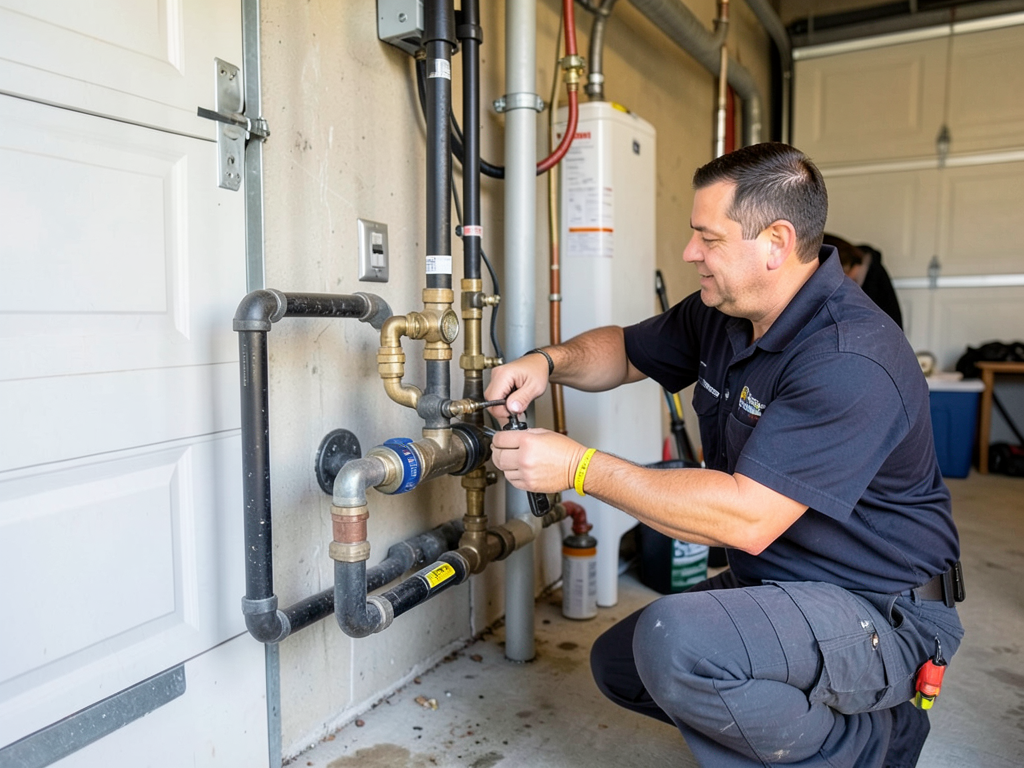
Whole house carbon filters install at the main water line where it enters your home. This location requires adequate space typically in a garage utility closet or basement. The system needs a minimum 24 inch clearance for maintenance access and filter changes.
Plumbing integration involves cutting the main line and installing bypass valves. These valves allow water to bypass the filter during maintenance or emergencies. Professional plumbers use lead free brass or stainless steel fittings meeting Virginia Residential Plumbing Code requirements. Plumbing Newport News.
Pressure drop through carbon filters ranges from 2 to 5 psi depending on filter size and water flow. Homes with marginal water pressure may need booster pumps to maintain adequate flow. A typical 3 bathroom home requires a minimum 10 gallon per minute flow rate.
Drain connections handle backwash water for systems with automatic cleaning cycles. These systems periodically reverse water flow through the filter to remove trapped sediment and extend carbon life. Backwash discharge must comply with local plumbing codes and cannot connect to septic systems. Drain Cleaning & Rooter Service.
Pre Filtration and System Protection
Sediment pre filters protect carbon media from premature clogging. Virginia Beach water contains fine silt and rust particles from aging distribution pipes. A 5 micron sediment filter extends carbon life by 30 to 50 percent by removing these particles before they reach the carbon bed.
Multi stage systems combine pre filtration with carbon treatment. The first stage removes sediment and particles down to 1 micron. The second stage contains activated or catalytic carbon for chemical removal. Some systems add a third stage with specialty media for specific contaminants like lead or arsenic.
Pressure gauges monitor system performance. A significant pressure drop indicates the carbon bed needs replacement. Most systems include gauge ports before and after the filter allowing homeowners to track pressure differential over time.
Automatic shutoff valves prevent water damage during filter changes. These valves isolate the filter housing when it opens allowing safe cartridge replacement without flooding risks. Some premium systems include leak detection sensors that shut off water if a filter housing cracks or fails.
Benefits for Virginia Beach Homes
Chlorine free water protects plumbing fixtures and appliances. Chlorine corrodes rubber seals in faucets and toilets causing premature failure. Water heaters last 20 to 30 percent longer without chlorine accelerating anode rod consumption and tank corrosion.
Improved water taste encourages drinking tap water instead of bottled water. A family of four can save $400 to $600 annually by eliminating bottled water purchases. The environmental benefit includes reducing plastic waste and transportation emissions from bottled water delivery.
Shower and bath water without chlorine prevents skin and hair dryness. Chlorine strips natural oils from skin and hair causing irritation especially for people with eczema or sensitive skin. Many customers report softer skin and more manageable hair within weeks of installation.
Appliance performance improves with filtered water. Coffee makers tea kettles and ice makers produce better tasting beverages without chemical interference. Dishwashers leave fewer spots on glassware and silverware when chlorine no longer reacts with detergents and minerals.
Installation Process and Timeline
Professional installation typically requires 2 to 4 hours depending on system complexity. The process begins with shutting off the main water supply and draining existing lines. Plumbers then cut the main line and install the filter housing and bypass valves.
System testing verifies proper operation. Technicians check for leaks at all connections and verify adequate water pressure through the filter. They also flush the system to remove any carbon fines or manufacturing residues before putting it into service.
Installation locations vary by home design. Single story homes with crawl spaces often install filters near the water heater. Two story homes with basements typically locate filters in the utility area. Garage installations work well for homes without basements but require freeze protection in winter.
Post installation instructions cover filter maintenance and system monitoring. Homeowners learn to check pressure gauges track filter life and schedule replacement cartridges. Most systems include a maintenance schedule based on household size and water usage patterns.
Maintenance Requirements and Filter Replacement
Carbon filter replacement frequency depends on water quality and household usage. A family of four using city water typically replaces GAC filters every 6 to 12 months. Catalytic carbon filters last 12 to 18 months due to their higher contaminant capacity.
Pressure drop indicates filter exhaustion. When pressure drops 15 to 20 percent below initial readings the carbon bed no longer effectively removes contaminants. Some systems include electronic monitors that track flow volume and alert homeowners when replacement is due.
Filter replacement involves shutting off water and depressurizing the system. The housing unscrews revealing the spent carbon cartridge. New cartridges install with lubricated O rings to prevent leaks. The system then refills and flushes to remove air and manufacturing residues.
Annual system inspections catch potential issues early. Technicians check for leaks inspect bypass valves and verify pressure readings. They also test water quality to ensure the system meets performance expectations. Some customers schedule filter changes during these inspections for convenience.
Cost Factors and System Sizing
System sizing depends on household water usage and flow rate requirements. A 2 person household needs a minimum 5 gallon per minute flow rate. A 4 person household requires 10 to 15 gallons per minute. Larger homes with multiple bathrooms need 20 gallons per minute or higher.
Installation complexity affects overall cost. Homes with accessible main lines in basements or garages cost less to equip than homes requiring extensive plumbing modifications. Some installations need electrical connections for automatic valves or monitoring systems.
Premium features increase system cost but provide additional benefits. Digital monitoring tracks filter life and water usage. Smart home integration allows remote system control and alerts. Self cleaning systems reduce maintenance requirements but cost more initially.
Energy efficiency varies by system type. Passive gravity fed systems use no electricity but may have flow restrictions. Pump assisted systems maintain full flow rates but consume minimal power comparable to a small light bulb.
Comparing DIY vs Professional Installation
DIY installation saves labor costs but risks improper sizing and code violations. Homeowners must correctly calculate flow rates select appropriate filter media and ensure proper plumbing connections. Mistakes can cause leaks water damage or system failure.
Professional installation includes warranty protection and code compliance. Licensed plumbers guarantee their work and ensure installations meet Virginia building codes. They also provide proper sizing recommendations based on household needs and local water conditions.
DIY systems often use lower quality components to reduce costs. Professional installations specify commercial grade filter housings and fittings designed for long term reliability. The higher initial investment typically pays for itself through better performance and fewer maintenance issues.
Professional technicians provide valuable water testing and system design expertise. They analyze your specific water quality issues and recommend appropriate treatment solutions. This customization ensures optimal performance rather than using generic one size fits all approaches.
Environmental Impact and Sustainability
Carbon filtration reduces bottled water consumption creating significant environmental benefits. A typical family eliminates 1000 to 2000 plastic bottles annually by switching to filtered tap water. This reduction decreases plastic waste and the carbon footprint from bottle production and transportation.
Filter cartridges contain activated carbon from renewable coconut shells or responsibly sourced coal. Many manufacturers offer recycling programs for spent cartridges reducing landfill waste. The carbon media itself is often reactivated and reused in industrial applications.
Energy consumption for whole house systems is minimal. Passive systems use no electricity while pump assisted systems consume less power than a standard light bulb. The environmental benefit of reduced bottled water use far outweighs the minimal energy requirements.
Water conservation features in modern systems minimize waste. Backwash cycles use treated water efficiently and some systems recycle backwash water for irrigation or other non potable uses. The overall water footprint of filtered water is much lower than bottled alternatives.
Frequently Asked Questions
How long does a whole house carbon filter last?
Carbon filter lifespan depends on usage and water quality. Standard GAC filters typically last 6 to 12 months while catalytic carbon filters last 12 to 18 months. Replacement timing depends on household size water usage and contaminant levels in your water supply.
Will a carbon filter remove hard water minerals?
No carbon filters do not remove hardness minerals like calcium and magnesium. These minerals require water softening systems or specialized media. Carbon filters remove chlorine chloramine and organic contaminants but leave beneficial minerals in the water.
Can I install a carbon filter myself?
DIY installation is possible but requires plumbing knowledge and proper tools. Professional installation ensures correct sizing code compliance and warranty protection. Licensed plumbers also provide water testing and system design expertise that DIY approaches cannot match.
What size filter do I need for my home?
Filter size depends on household water usage and flow rate requirements. A 2 person household needs 5 gallons per minute while a 4 person household requires 10 to 15 gallons per minute. Larger homes with multiple bathrooms need 20 gallons per minute or higher.
How much does whole house carbon filtration cost?
System costs vary based on size features and installation complexity. Basic systems start around $800 to $1500 while premium systems with advanced features cost $2000 to $4000 installed. Installation costs depend on plumbing accessibility and any necessary modifications.
Take Action for Better Water Quality
Clean chlorine free water improves your family’s health protects your plumbing and enhances your daily life. Professional installation ensures your system works correctly from day one providing reliable performance for years to come.
Liberty Plumbing Virginia Beach offers expert whole house carbon filter installation throughout Robinhood City and surrounding areas. Our licensed plumbers test your water recommend the right system and handle complete installation with minimal disruption to your home.
Call (948) 207-0600 today to schedule your water quality test and consultation. Our team will evaluate your specific needs recommend the most effective carbon filtration solution and provide transparent pricing with no hidden fees. Clean great tasting water is just one phone call away. Why Great Neck residents trust our team for trenchless sewer line repairs.
Don’t wait for chlorine damage to affect your plumbing and appliances. Pick up the phone and call (948) 207-0600 before the next water bill arrives. Your family deserves the best water quality possible and Liberty Plumbing makes it affordable and convenient.
{
“@context”: “https://schema.org”,
“@type”: “BlogPosting”,
“headline”: “The Most Effective Whole House Carbon Filters for Removing Chlorine in Robinhood City Water”,
“description”: “Discover the most effective whole house carbon filters for removing chlorine from Robinhood City water. Learn about GAC vs catalytic carbon, installation, and local benefits.”,
“wordCount”: 2233,
“datePublished”: “2026-04-24T15:09:00.000Z”,
“dateModified”: “2026-04-24T15:09:00.000Z”,
“inLanguage”: “en-US”,
“mainEntityOfPage”: {
“@type”: “WebPage”,
“@id”: “https://libertyplumbingvirginiabeach.com”
},
“publisher”: {
“@type”: “LocalBusiness”,
“name”: “Liberty Plumbing Virginia Beach”,
“url”: “https://libertyplumbingvirginiabeach.com”
},
“author”: {
“@type”: “Organization”,
“name”: “Liberty Plumbing Virginia Beach”,
“url”: “https://libertyplumbingvirginiabeach.com”
},
“image”: {
“@type”: “ImageObject”,
“url”: “https://libertyplumbingvirginiabeach.com/wp-content/uploads/2026/03/the-most-effective-whole-house-carbon-filters-for-1.png”
}
}
{
“@context”: “https://schema.org”,
“@type”: “Plumber”,
“name”: “Liberty Plumbing Virginia Beach”,
“url”: “https://libertyplumbingvirginiabeach.com”,
“address”: {
“@type”: “PostalAddress”,
“addressLocality”: “Virginia Beach”
},
“areaServed”: {
“@type”: “City”,
“name”: “Virginia Beach”
}
}
{
“@context”: “https://schema.org”,
“@type”: “FAQPage”,
“mainEntity”: [
{
“@type”: “Question”,
“name”: “How long does a whole house carbon filter last?”,
“acceptedAnswer”: {
“@type”: “Answer”,
“text”: “Carbon filter lifespan depends on usage and water quality. Standard GAC filters typically last 6 to 12 months while catalytic carbon filters last 12 to 18 months. Replacement timing depends on household size water usage and contaminant levels in your water supply.”
}
},
{
“@type”: “Question”,
“name”: “Will a carbon filter remove hard water minerals?”,
“acceptedAnswer”: {
“@type”: “Answer”,
“text”: “No carbon filters do not remove hardness minerals like calcium and magnesium. These minerals require water softening systems or specialized media. Carbon filters remove chlorine chloramine and organic contaminants but leave beneficial minerals in the water.”
}
},
{
“@type”: “Question”,
“name”: “Can I install a carbon filter myself?”,
“acceptedAnswer”: {
“@type”: “Answer”,
“text”: “DIY installation is possible but requires plumbing knowledge and proper tools. Professional installation ensures correct sizing code compliance and warranty protection. Licensed plumbers also provide water testing and system design expertise that DIY approaches cannot match.”
}
},
{
“@type”: “Question”,
“name”: “What size filter do I need for my home?”,
“acceptedAnswer”: {
“@type”: “Answer”,
“text”: “Filter size depends on household water usage and flow rate requirements. A 2 person household needs 5 gallons per minute while a 4 person household requires 10 to 15 gallons per minute. Larger homes with multiple bathrooms need 20 gallons per minute or higher.”
}
},
{
“@type”: “Question”,
“name”: “How much does whole house carbon filtration cost?”,
“acceptedAnswer”: {
“@type”: “Answer”,
“text”: “System costs vary based on size features and installation complexity. Basic systems start around $800 to $1500 while premium systems with advanced features cost $2000 to $4000 installed. Installation costs depend on plumbing accessibility and any necessary modifications.”
}
}
]
}
{
“@context”: “https://schema.org”,
“@type”: “BreadcrumbList”,
“itemListElement”: [
{
“@type”: “ListItem”,
“position”: 1,
“name”: “Home”,
“item”: “https://libertyplumbingvirginiabeach.com”
},
{
“@type”: “ListItem”,
“position”: 2,
“name”: “Blog”,
“item”: “https://libertyplumbingvirginiabeach.com/blog”
},
{
“@type”: “ListItem”,
“position”: 3,
“name”: “The Most Effective Whole House Carbon Filters for Removing Chlorine in Robinhood City Water”
}
]
}
{
“@context”: “https://schema.org”,
“@type”: “Service”,
“serviceType”: “Plumbing”,
“provider”: {
“@type”: “LocalBusiness”,
“name”: “Liberty Plumbing Virginia Beach”,
“url”: “https://libertyplumbingvirginiabeach.com”
},
“areaServed”: {
“@type”: “City”,
“name”: “Virginia Beach”
},
“description”: “Discover the most effective whole house carbon filters for removing chlorine from Robinhood City water. Learn about GAC vs catalytic carbon, installation, and local benefits.”
}