
Thinking About a Septic to City Sewer Conversion in the Blackwater Area?
If your Blackwater area property still relies on a septic system, you might be weighing the benefits of connecting to the city sewer system. For Virginia Beach homeowners, this decision often comes down to property values, environmental responsibility, and the long-term reliability of your wastewater infrastructure. The good news is that converting from septic to city sewer is a well-defined process, especially when you work with a licensed Virginia Master Plumber who understands the local regulations and terrain. Virginia Department of Health septic regulations.
The Blackwater area sits in a unique position in Virginia Beach where some neighborhoods have access to municipal sewer while others do not. This creates a patchwork of infrastructure that can make the conversion process seem daunting. However, understanding the steps involved and the specific requirements for Virginia Beach can make the transition smooth and predictable.
Before diving into the technical aspects, it’s important to understand why many homeowners in the area are making this switch. Septic systems require regular maintenance, can fail during heavy rains, and may pose environmental risks to the Chesapeake Bay watershed. City sewer connections eliminate these concerns while potentially increasing your property value and making your home more attractive to future buyers.
The conversion process involves several distinct phases, each with its own permitting requirements and technical considerations. From the initial site evaluation to the final city inspection, every step must comply with Virginia Beach Department of Public Utilities standards and Hampton Roads Sanitation District (HRSD) regulations. Working with a contractor who has experience in the Blackwater area means they’ll understand the specific soil conditions, water table levels, and local utility access points that can affect your project timeline and cost. Hampton Roads Sanitation District.
One of the first considerations is whether city sewer infrastructure even exists near your property. The Blackwater area has seen significant development over the past decades, but not all properties have direct access to the municipal system. A professional evaluation will determine if a gravity-fed connection is possible or if you’ll need a grinder pump system to lift wastewater to the main sewer line.
The cost of conversion varies significantly based on the distance from your home to the sewer main, the type of system required, and any necessary landscaping restoration. Most Blackwater area conversions fall within a predictable range, though each property presents unique challenges. The Virginia Beach Department of Public Utilities offers various payment options and may have programs available for certain neighborhoods or income levels.
Environmental considerations play a crucial role in the decision-making process. The Chesapeake Bay watershed is sensitive to nutrient loading from failing septic systems, and Virginia Beach has made significant investments in reducing this impact. Converting to city sewer not only protects local waterways but also ensures your property meets current environmental standards.
Throughout this guide, we’ll walk through the entire septic to city sewer conversion process specific to Virginia Beach, including the permits required, the typical timeline, and what to expect at each phase. We’ll also discuss the local factors that make the Blackwater area unique, from soil composition to utility access patterns.
Understanding the Blackwater Area’s Septic Landscape
The Blackwater area of Virginia Beach presents unique challenges for septic to sewer conversions. This region, located in the southeastern portion of the city, has a mix of established neighborhoods and newer developments, each with different infrastructure histories. Understanding this landscape is crucial for planning your conversion project.
Historically, the Blackwater area developed with septic systems as the primary wastewater solution. The sandy soil composition, while good for drainage, can be problematic for traditional septic drain fields. Many properties in this area have older systems that may be nearing the end of their useful life or are struggling with the high water table common to coastal Virginia. Drain Cleaning & Rooter Service.
The area’s proximity to the Back Bay National Wildlife Refuge and the Atlantic Ocean means environmental regulations are particularly strict. The Virginia Department of Health monitors septic systems closely in this region due to the potential impact on groundwater and surface water quality. This regulatory environment makes the conversion to city sewer an attractive option for many homeowners.
Local infrastructure development has been ongoing in the Blackwater area. The City of Virginia Beach has been gradually expanding sewer service to areas that previously relied solely on septic systems. This expansion often follows development patterns, with new commercial areas and larger residential developments getting sewer service first, followed by surrounding neighborhoods. Commercial Plumbing Contractors.
Soil conditions in the Blackwater area typically consist of sandy loam with varying clay content. This composition affects both septic system performance and sewer line installation. The high permeability of sandy soils can lead to issues with traditional septic drain fields, while the same characteristic can make trenching for sewer lines more straightforward in some areas.
Water table levels in the Blackwater area fluctuate seasonally and can be particularly high during wet periods. This factor significantly impacts septic system performance and can complicate sewer line installation. A professional assessment will determine the optimal depth and routing for your new sewer lateral to avoid groundwater interference.
The area’s development patterns have created a patchwork of utility access. Some neighborhoods have had sewer service for decades, while others remain entirely on septic. This variation means that even within the Blackwater area, the conversion process can differ significantly from one property to another.
Local building codes and environmental regulations specific to the Blackwater area may affect your conversion project. The Virginia Beach Department of Planning requires specific permits and inspections for sewer connections, and these requirements can vary based on your property’s location and the existing infrastructure.
Understanding these local factors is essential for accurate project planning. A contractor familiar with the Blackwater area will know which neighborhoods have active sewer expansion projects, which properties might qualify for municipal assistance programs, and how to navigate the specific permitting requirements for your location.
Benefits of Converting from Septic to City Sewer
Converting from a septic system to city sewer offers numerous advantages for Virginia Beach homeowners, particularly those in the Blackwater area. Understanding these benefits can help you make an informed decision about whether this investment makes sense for your property.
Property value enhancement is one of the most significant benefits of sewer conversion. Homes connected to municipal sewer systems typically appraise higher than comparable properties with septic systems. This value increase can offset a substantial portion of the conversion cost, making it a sound financial investment for many homeowners.
Environmental protection represents another crucial benefit. Septic systems can fail and release untreated wastewater into the surrounding soil and groundwater. This contamination poses risks to the Chesapeake Bay ecosystem, which is particularly sensitive to nutrient loading. City sewer systems provide reliable treatment that protects local waterways.
Maintenance reduction is a major advantage of sewer conversion. Septic systems require regular pumping every 3-5 years, along with ongoing monitoring for signs of failure. City sewer connections eliminate these recurring maintenance costs and the worry of system failure during inconvenient times.
Reliability improvement comes with municipal sewer connections. City sewer systems are designed to handle heavy rainfall and high usage periods without backing up or failing. This reliability is particularly valuable in the Blackwater area, where seasonal storms can overwhelm older septic systems.
Property sale advantages make sewer connections attractive to future buyers. Many homebuyers prefer properties with city sewer due to the lower maintenance requirements and perceived reliability. This preference can make your property sell faster and potentially at a higher price when you decide to move.
Health and safety improvements result from eliminating on-site wastewater storage. Septic systems can pose health risks if they fail or if they’re located too close to wells or water sources. City sewer connections remove these concerns by transporting wastewater to treatment facilities designed for safe handling.
Land use flexibility increases with sewer connections. Properties with septic systems have limitations on building additions, pools, or other structures due to required setbacks from the drain field. City sewer connections remove these restrictions, giving you more options for property improvements.
Insurance considerations may improve with sewer conversion. Some insurance companies view properties with septic systems as higher risk, potentially leading to higher premiums or coverage limitations. While not universal, this factor can contribute to overall cost savings over time.
Regulatory compliance becomes simpler with city sewer. Septic systems must meet specific Virginia Department of Health standards, and failing to maintain compliance can result in fines or mandatory upgrades. City sewer connections eliminate these compliance concerns, simplifying property ownership.
Long-term cost savings often result from sewer conversion when considering the full lifecycle costs. While the initial investment is substantial, eliminating septic pumping, potential repair costs, and the risk of expensive system replacement can make sewer connections more economical over a 10-15 year period.
Phase 1: Initial Site Evaluation and HRSD Permitting
The first phase of your septic to sewer conversion involves a comprehensive site evaluation and the initiation of necessary permitting processes. This critical step sets the foundation for a successful project and helps identify any potential challenges before construction begins.
A professional site evaluation starts with determining the location of existing utility lines and infrastructure. This involves contacting Virginia Utility Protection Service (Miss Utility) to mark underground utilities, preventing damage during excavation. The evaluation also includes assessing the current septic system’s location, condition, and proximity to property lines.
Soil testing is a crucial component of the initial evaluation. A soil analysis determines the soil’s percolation rate, composition, and suitability for various installation methods. This information helps determine the optimal depth and routing for the new sewer lateral, as well as identifying any soil stabilization requirements.
Water table assessment is particularly important in the Blackwater area due to seasonal fluctuations. A licensed professional will measure the seasonal high water table level to ensure the new sewer line installation won’t interfere with groundwater. This assessment may involve test pits or monitoring wells depending on the property’s characteristics.
Determining sewer main availability is the next critical step. A contractor will locate the nearest city sewer main and assess whether a gravity-fed connection is possible or if a grinder pump system will be necessary. This determination significantly impacts both the installation method and the overall project cost.
The Hampton Roads Sanitation District (HRSD) permitting process begins once the site evaluation is complete. HRSD oversees sewer connections in the Virginia Beach area and requires specific applications and fees. The application process includes submitting site plans, soil reports, and system design specifications for approval.
Virginia Beach Department of Public Utilities (VBPU) coordination is essential during this phase. VBPU manages the city’s sewer infrastructure and must approve all connections. Their requirements may include specific pipe materials, installation depths, and inspection protocols that differ from standard plumbing practices. Plumbing Newport News.
Permit fees and connection charges vary based on property characteristics and the distance to the sewer main. These costs are typically paid upfront and can range significantly. Understanding these fees during the initial evaluation helps with accurate project budgeting and timeline planning.
Property easements may be required if the sewer line needs to cross neighboring properties. This legal process involves obtaining written permission from affected property owners and may require additional documentation or fees. A contractor experienced in Blackwater area conversions will know how to navigate these requirements efficiently.
Environmental impact assessments may be necessary depending on your property’s location. Properties near wetlands, water bodies, or environmentally sensitive areas may require additional permits or mitigation measures. The Blackwater area’s proximity to natural areas makes this consideration particularly relevant.
Timeline estimation begins during this phase. The permitting process alone can take several weeks to months depending on workload and the complexity of your project. Understanding this timeline helps you plan for construction scheduling and any necessary temporary accommodations.
Cost estimation becomes more accurate after the site evaluation. Factors such as required permits, soil conditions, water table levels, and the need for specialized equipment all influence the final project cost. A detailed estimate at this stage prevents unexpected expenses later in the process.
Phase 2: The Septic Tank Abandonment Process
Once permits are secured, the next critical phase involves properly abandoning your existing septic system. This process must follow Virginia Department of Health (VDH) regulations to ensure environmental safety and prevent future property issues.
Septic tank pumping is the first step in abandonment. A licensed septic pumping contractor must completely remove all liquids and solids from the tank. This process typically requires a large vacuum truck and may need to be scheduled during specific weather conditions to prevent soil saturation around the tank.
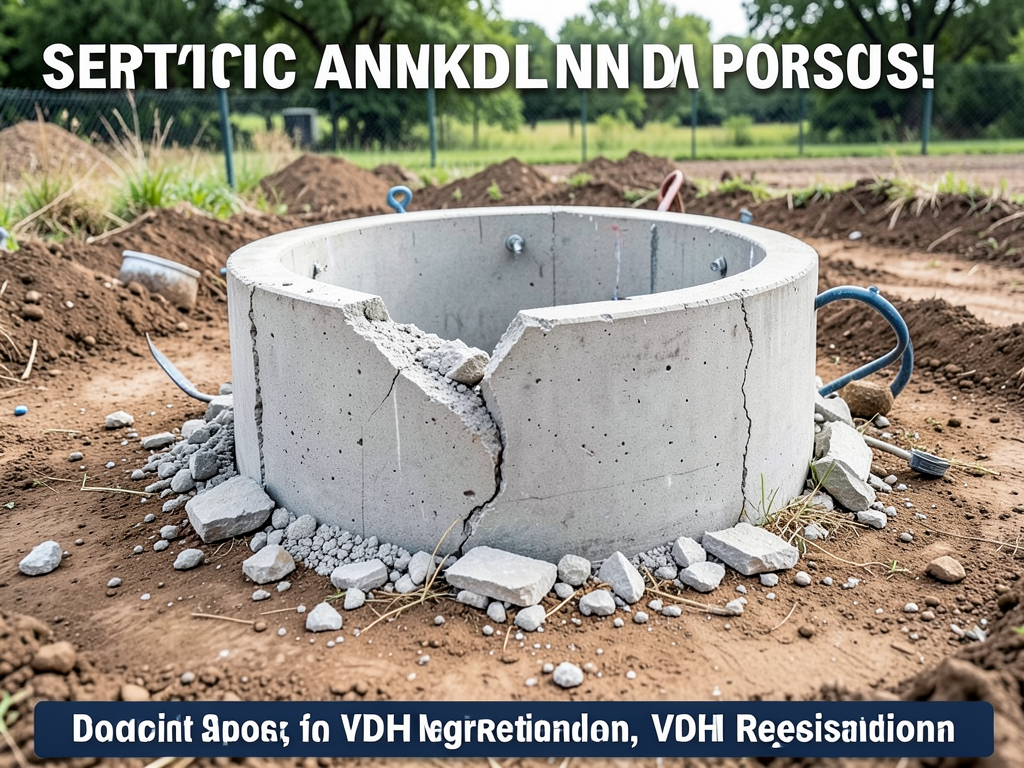
VDH abandonment procedures require specific methods depending on the tank material and condition. Concrete tanks typically need to be broken up and backfilled with sand or gravel, while plastic or fiberglass tanks may need complete removal from the site. These requirements ensure the abandoned tank won’t collapse under future loads.
Distribution box and drain field abandonment follows similar procedures. The distribution box must be pumped, cleaned, and either removed or properly backfilled. Drain field pipes need to be broken and backfilled to prevent future settling or collapse, which could create safety hazards or drainage issues.
Soil testing after abandonment ensures no contamination remains. This testing may include soil samples from around the old drain field to verify that no residual wastewater has affected the soil quality. Any contamination found may require additional remediation before final approval.
Permit inspections during abandonment verify compliance with VDH regulations. An inspector will typically visit the site to confirm that all abandonment procedures have been followed correctly. This inspection is crucial for obtaining final approval and ensuring no future liability issues.
Documentation of the abandonment process provides important records for future property owners. This documentation should include photos of the abandoned system, soil test results, and inspection reports. These records can be valuable during future property sales or if questions arise about the property’s utility history.
Landscaping restoration begins after abandonment approval. The area where the septic system was located may need grading, topsoil addition, and seeding or sodding to restore the property’s appearance. This restoration should consider future land use plans, as some areas may not be suitable for heavy structures due to soil disturbance.
Water quality monitoring may be required in sensitive areas. Properties near water bodies or in environmentally critical areas might need ongoing monitoring to ensure no contamination occurred during the abandonment process. This monitoring typically involves periodic water sampling from nearby wells or surface water.
Cost considerations for abandonment include pumping fees, excavation equipment, backfill materials, and restoration work. While these costs add to the overall project budget, they’re essential for proper environmental protection and future property use. Some municipalities offer assistance programs that can help offset these costs.
Timeline for abandonment typically takes 2-3 days for the actual work, plus additional time for inspections and any required testing. Weather conditions can affect scheduling, as wet conditions make excavation difficult and may prevent proper soil compaction for backfilling.
Phase 3: Installing the New Sewer Lateral
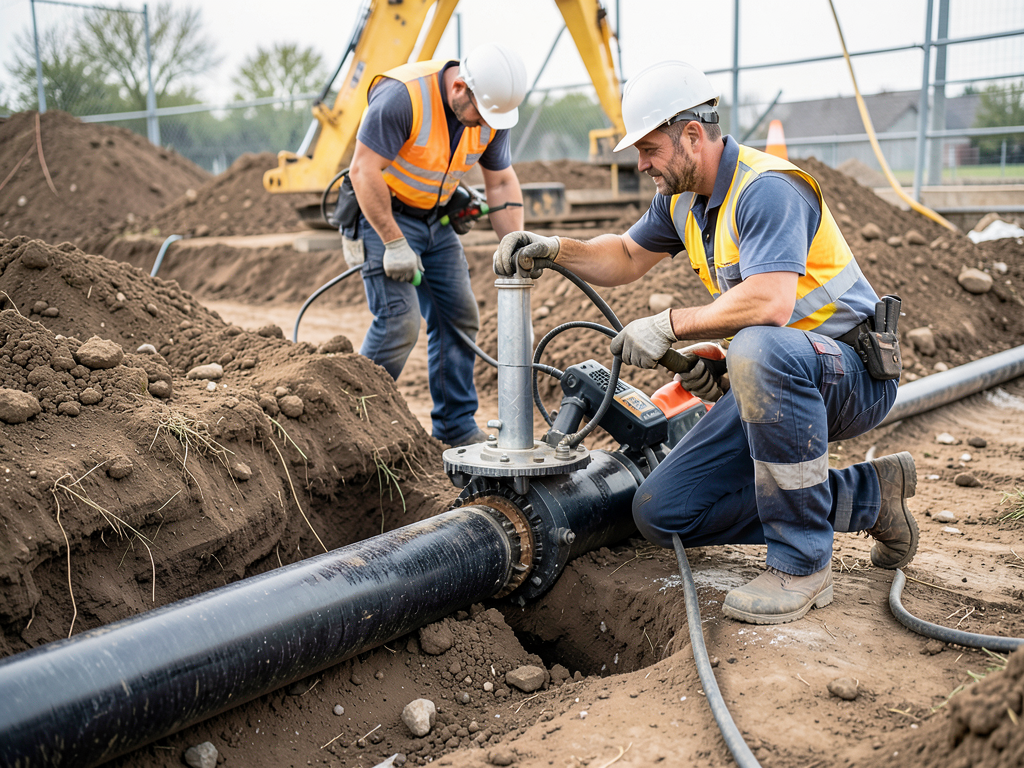
With the old septic system properly abandoned, the next phase involves installing the new sewer lateral that connects your home to the city sewer main. This process requires careful planning and execution to ensure a reliable, code-compliant connection.
Trenching requirements depend on local codes and soil conditions. Virginia Beach typically requires sewer laterals to be buried at least 18-24 inches deep, though this may vary based on frost depth requirements and local regulations. The Blackwater area’s sandy soil can make trenching easier than in areas with clay soils, but proper shoring is still essential for safety.
Pipe material selection is crucial for long-term reliability. Most Virginia Beach jurisdictions require PVC sewer pipe for laterals, though the specific grade and wall thickness may vary based on soil conditions and burial depth. SDR35 PVC is commonly used for its durability and chemical resistance.
Pipe sloping requirements ensure proper drainage through gravity. The standard minimum slope is 1/4 inch per foot, though steeper slopes may be necessary in some situations. Proper sloping prevents standing water in the line and ensures reliable waste transport to the sewer main.
Cleanout installation is required by most plumbing codes. Cleanouts provide access for future maintenance and should be installed at changes in direction, at the property line, and at intervals not exceeding 100 feet. These access points are crucial for addressing any future blockages or maintenance needs.
Connection to the home’s existing plumbing involves careful coordination. The new sewer lateral must tie into the home’s main drain line, which may require cutting into existing cast iron or PVC pipes. This connection must be made with proper fittings and techniques to prevent future leaks or separation.
City tap installation connects your new lateral to the main sewer line. This process typically requires a city inspector’s presence and may involve specific tapping procedures depending on the main line material. Some connections may require a wye fitting, while others use saddle taps or other specialized connections.
Backfilling procedures affect the long-term stability of your sewer line. Proper compaction in layers prevents future settling that could damage the pipe or create low spots where waste can accumulate. The backfill material should be free of rocks or debris that could damage the pipe during installation.
Pressure testing verifies the integrity of the new installation. Most jurisdictions require a hydrostatic or air pressure test to ensure there are no leaks in the new sewer lateral. This testing is crucial before backfilling the entire trench and proceeding to final inspections.
Restoration work includes replacing any landscaping, driveways, or other surfaces disturbed during installation. This work should be completed to match existing conditions as closely as possible. Some homeowners choose this opportunity to upgrade landscaping or improve drainage around their property.
Timeline for lateral installation typically takes 2-4 days for the actual work, though this can extend if complications arise with rock excavation, high water table issues, or coordination with other utilities. Weather delays are common, particularly during Virginia’s rainy seasons.
Phase 4: City Inspections and Final Approval
The final phase of your septic to sewer conversion involves comprehensive inspections and obtaining all necessary approvals from city authorities. This step ensures your new system meets all code requirements and is ready for long-term service.
Virginia Beach Department of Public Utilities inspection is typically the first step in final approval. A VBPU inspector will verify that the new sewer lateral meets all city specifications, including proper depth, materials, and connection methods. This inspection often occurs before final backfilling to allow visibility of the entire installation.
Building permit final inspection may be required depending on your specific project scope. If your conversion involved structural modifications or significant plumbing changes, a building inspector may need to verify compliance with Virginia Uniform Statewide Building Code requirements.
HRSD final approval confirms that your connection meets all regional sanitation district requirements. This approval is crucial for ensuring your system can properly connect to and function within the larger regional sewer network. HRSD may require specific documentation or testing results before granting final approval.
Septic abandonment verification may be required by the Virginia Department of Health. This verification ensures that your old septic system was properly abandoned according to state regulations. Some jurisdictions require documentation of this process before finalizing sewer connection approvals.
Utility locate verification confirms that all underground utilities are properly marked and that your installation didn’t interfere with other services. This step is crucial for preventing future damage to gas lines, water mains, or communication cables that may be near your sewer installation.
Documentation completion involves gathering all permits, inspection reports, and approvals into a comprehensive project file. This documentation should be kept with your property records and may be required for future property sales or if questions arise about the conversion work.
Final payment and warranty activation typically occur after all inspections are complete. Most contractors require final payment upon successful completion and may offer warranties on their workmanship. Understanding these warranty terms is important for future maintenance planning.
Property restoration final inspection ensures that all disturbed areas have been properly restored. This may include verifying that landscaping has been replaced, driveways have been repaired, and any surface damage has been addressed to match existing conditions.
System testing and commissioning involves running the new sewer system through various usage scenarios to ensure proper function. This testing may include running multiple fixtures simultaneously, checking for any odors or backups, and verifying that all cleanouts are accessible and functional.
Owner orientation provides important information about your new system. A good contractor will explain how to monitor the system for problems, where key components are located, and what maintenance or monitoring might be needed in the future.
Timeline for final approvals can vary significantly based on inspector availability and any issues discovered during inspections. While the physical work may be complete, obtaining all necessary approvals can take an additional 1-2 weeks in some cases.
Estimated Costs and Financing in Virginia Beach
Understanding the financial aspects of septic to sewer conversion is crucial for proper planning. Costs can vary significantly based on property characteristics, distance to sewer main, and local requirements, but having a general framework helps with budgeting.
Connection fees from HRSD typically represent one of the largest upfront costs. These availability fees are charged per EDU (Equivalent Dwelling Unit) and can range from $2,500 to $5,000 depending on your property classification and the current fee schedule. These fees are subject to change and should be verified with HRSD before project planning.
City tap fees from Virginia Beach Department of Public Utilities cover the cost of connecting to the main sewer line. These fees vary based on the size of the connection and can range from $500 to $2,000. Some neighborhoods may have different fee structures based on local improvement districts or special assessment areas.
Plumbing permit fees are required for the sewer lateral installation. These fees typically range from $100 to $300 and cover the cost of plan review and inspections. Additional fees may apply if your project requires electrical permits for grinder pump installations.
Septic abandonment costs include pumping, excavation, and proper disposal of the old system. These costs typically range from $1,500 to $3,000 depending on the size of your system and the complexity of abandonment procedures required by VDH.
Construction costs for the sewer lateral installation vary based on trench length, soil conditions, and any obstacles encountered. A typical installation might cost $50 to $100 per linear foot, though this can increase significantly if rock excavation or deep trenching is required.
Landscaping restoration costs should be factored into your budget. Restoring driveways, lawns, and other disturbed areas can cost anywhere from $1,000 to $5,000 depending on the extent of restoration needed and the materials required.
Financing options are available through various programs. Some Virginia Beach neighborhoods have access to special assessment districts that allow costs to be spread over 10-20 years through property tax bills. Additionally, some banks offer home improvement loans specifically for utility conversions.
Potential rebates or assistance programs may be available through HRSD or the City of Virginia Beach. These programs are often income-based or targeted at specific neighborhoods with environmental concerns. Checking current program availability can significantly reduce your out-of-pocket costs.
Return on investment considerations should factor into your decision. While the upfront costs are substantial, increased property values, eliminated septic maintenance costs, and potential insurance savings can provide financial benefits over time. Many homeowners recoup 50-80% of their investment through these factors.
Cost-saving strategies can help manage expenses. Getting multiple bids from qualified contractors, scheduling work during off-peak seasons, and handling some restoration work yourself can reduce overall costs without compromising quality or compliance.
Hidden costs to consider include temporary housing if you need to vacate during construction, increased water bills as you adjust to sewer usage, and potential future maintenance costs for grinder pumps if required for your property.
Timeline for cost planning should begin well before construction. Most contractors require a 10-20% deposit, with additional payments tied to project milestones. Understanding this payment structure helps with cash flow planning throughout the conversion process.
Environmental Impact and Chesapeake Bay Protection
The environmental considerations for septic to sewer conversion extend far beyond your individual property. Understanding these broader impacts helps contextualize the importance of this infrastructure upgrade for the entire Virginia Beach community.
Chesapeake Bay watershed protection is a primary driver for many septic to sewer conversion projects in Virginia Beach. The bay’s ecosystem is highly sensitive to nutrient loading, particularly nitrogen and phosphorus from failing septic systems. These nutrients cause algae blooms that deplete oxygen and create dead zones in the water.
Groundwater protection is another crucial environmental benefit. Septic systems can allow untreated wastewater to seep into groundwater, potentially contaminating drinking water sources and harming aquatic ecosystems. City sewer systems provide reliable treatment that prevents this contamination.
Surface water quality improvement results from eliminating failing septic systems. Properties near Back Bay, the North Landing River, and other local water bodies often contribute to water quality degradation through septic system failures. Sewer conversion directly addresses these contamination sources.
Climate change resilience is enhanced with municipal sewer systems. As sea levels rise and storm intensity increases, septic systems become increasingly vulnerable to failure. City sewer infrastructure is designed to handle these extreme weather events, providing more reliable service during climate-related challenges.
Wildlife habitat protection benefits from improved water quality. The Blackwater area’s proximity to natural areas means that septic failures can directly impact local wildlife through contaminated water sources and degraded habitat quality. Sewer conversion helps preserve these important ecosystems.
Public health protection extends beyond individual properties. Failing septic systems can create breeding grounds for mosquitoes and other disease vectors, while also contaminating areas where children might play. Municipal sewer systems eliminate these public health risks.
Long-term sustainability is improved with centralized treatment. Modern wastewater treatment plants can implement advanced treatment technologies and nutrient removal systems that individual septic systems cannot match. This centralization allows for more efficient resource recovery and environmental protection.
Economic benefits of environmental protection include preserved property values in areas with good water quality, maintained recreational opportunities like fishing and boating, and continued viability of local seafood industries that depend on clean water.
Regulatory compliance with environmental standards becomes easier with sewer connections. As environmental regulations become more stringent, septic systems may require expensive upgrades to remain compliant. City sewer connections typically exceed current standards and are prepared for future regulatory changes.
Community benefits extend to neighbors and the broader Virginia Beach area. When individual properties convert to sewer, the cumulative effect on local water quality can be substantial, benefiting everyone in the community through improved environmental conditions.
Future-proofing your property against environmental regulations is another consideration. As environmental awareness increases and regulations become more restrictive, properties with septic systems may face mandatory conversion requirements or expensive upgrade mandates.
Choosing the Right Contractor for Your Blackwater Area Project
Selecting the right contractor for your septic to sewer conversion is crucial for project success. The Blackwater area’s unique characteristics require specific expertise and experience that not all contractors possess.
Virginia Master Plumber licensing is the minimum requirement for any contractor you consider. This license ensures the contractor has met state education and experience requirements and maintains current knowledge of plumbing codes and regulations. Always verify license status through the Virginia Department of Professional and Occupational Regulation.
Local experience in the Blackwater area is invaluable. Contractors familiar with this specific region understand the soil conditions, water table levels, and local utility configurations that can affect your project. They’ll also know the specific permitting requirements and inspection processes for Virginia Beach properties.
Insurance coverage should be comprehensive and current. Your contractor should carry general liability insurance, workers’ compensation, and possibly environmental liability coverage depending on your project scope. Request proof of insurance and verify coverage with the insurance provider.
References from similar projects provide insight into a contractor’s capabilities. Ask for references from Blackwater area homeowners who have completed septic to sewer conversions. Contact these references to discuss their experience, any challenges encountered, and their satisfaction with the completed work.
Detailed written estimates are essential for comparing contractors and understanding project scope. A good estimate should break down all costs, including permits, materials, labor, and any contingencies. It should also specify the timeline and payment schedule for the entire project.
Communication style and availability matter throughout the project. Choose a contractor who responds promptly to questions, explains technical concepts clearly, and maintains regular communication about project progress. This relationship will be important during the several weeks your project will likely take.
Equipment and workforce capabilities should match your project needs. Septic to sewer conversion often requires specialized equipment like directional boring machines, hydro excavators, or large excavators. Ensure your contractor has access to the necessary equipment or relationships with equipment rental companies.
Warranty offerings provide protection after project completion. Ask about warranties on both materials and workmanship. A confident contractor will offer substantial warranties that demonstrate their commitment to quality and their belief in their installation methods.
Cleanup and restoration policies should be clearly stated. The conversion process can be disruptive, and you’ll want assurance that your property will be restored to its original condition or better. Understand what restoration is included in the contract price and what might incur additional costs.
Subcontractor relationships matter for specialized work. While your primary contractor may handle most of the work, some aspects like electrical connections for grinder pumps or specialized testing may require licensed subcontractors. Understand who will perform each aspect of your project.
Payment terms should be fair and tied to project milestones. Avoid contractors who demand large upfront payments or full payment before project completion. A typical schedule might include a deposit, progress payments tied to specific milestones, and final payment upon successful inspection.
Project management capabilities ensure smooth coordination of all aspects of your conversion. The best contractors will handle permit applications, coordinate with utility companies, schedule inspections, and manage any issues that arise throughout the process.
Frequently Asked Questions
How long does a typical septic to sewer conversion take in the Blackwater area?
Most conversions take 2-4 weeks from start to finish, though this can vary based on permitting timelines, weather conditions, and project complexity. The actual construction work typically requires 5-7 days of active work spread across the project timeline.
Will I need to be out of my home during the conversion?
In most cases, you can remain in your home during the conversion. However, you’ll be without functional plumbing for 1-2 days during the connection phase. Your contractor should provide portable facilities if needed during this period.
Are there any financial assistance programs available for Blackwater area residents?
Yes, Virginia Beach and HRSD occasionally offer assistance programs for specific neighborhoods or income-qualified residents. Check with the Virginia Beach Department of Public Utilities for current programs, as availability and eligibility requirements change periodically.
What happens if we discover problems during the conversion process?
Professional contractors include contingencies in their contracts for unexpected issues like rock excavation, high water table complications, or utility conflicts. These situations are handled through change orders that detail the additional work and costs before proceeding.
How will this conversion affect my property taxes?
Connecting to city sewer may slightly increase your property taxes due to the added utility infrastructure value. However, many homeowners find that eliminated septic maintenance costs and potential insurance savings offset this increase.
Can I convert if my property is in a flood zone?
Yes, but additional considerations apply. Flood zone properties may require elevated cleanouts, special backflow prevention devices, or other modifications to meet code requirements. Your contractor should have experience with flood zone installations.
What maintenance will be required after conversion?
City sewer connections require minimal maintenance beyond normal household use. However, if your property requires a grinder pump, you’ll need to schedule periodic maintenance every 1-2 years to ensure reliable operation.
How do I know if my property is eligible for sewer connection?
A professional site evaluation will determine eligibility. Factors include proximity to existing sewer mains, soil conditions, and local infrastructure availability. Even if a main isn’t currently available, future expansion plans might make connection possible within a few years.
Will this project increase my monthly utility bills?
Yes, you’ll now pay monthly sewer fees to HRSD in addition to your water bill. These fees are typically based on water usage and average $30-60 per month for a typical single-family home, though rates vary by location and usage.
What documentation should I keep after the project is complete?
Keep all permits, inspection reports, as-built drawings, and warranty information with your property records. This documentation is valuable for future property sales and can be important if questions arise about your utility infrastructure.
Ready to Make the Switch?
Converting from septic to city sewer is a significant investment in your property’s future, but it doesn’t have to be overwhelming. With proper planning, the right contractor, and an understanding of the process, you can make this transition smoothly and confidently.
The Blackwater area’s unique characteristics require specific expertise that not all contractors possess. Working with a team that understands local soil conditions, water table levels, and Virginia Beach permitting requirements can make the difference between a stressful project and a successful conversion.
If you’re considering a septic to sewer conversion, the first step is a professional site evaluation. This assessment will determine your property’s eligibility, identify any potential challenges, and provide accurate cost estimates for your specific situation. Don’t let uncertainty about the process prevent you from exploring this valuable upgrade to your property.
The environmental benefits alone make this conversion worthwhile for many Blackwater area residents. Protecting the Chesapeake Bay watershed, ensuring reliable wastewater treatment, and eliminating the risk of septic system failures are compelling reasons to consider making the switch.
Property value increases, eliminated maintenance costs, and improved reliability provide additional financial incentives that often offset the initial investment over time. When you factor in the peace of mind that comes with a dependable sewer connection, the decision becomes even clearer for many homeowners.
Don’t wait until your septic system fails or until environmental regulations force the issue. Proactive conversion allows you to plan the project on your schedule, potentially take advantage of current assistance programs, and avoid emergency situations that could complicate the process.
Ready to learn more about your specific property’s potential for septic to sewer conversion? Call (948) 207-0600 today to schedule your free site evaluation. Our Virginia Master Plumbers have extensive experience with Blackwater area conversions and can provide the expert guidance you need to make an informed decision.
Pick up the phone and call (948) 207-0600 before the next heavy rain hits. Don’t let an aging septic system threaten your property’s value or the environment. Our team is ready to help you understand your options and create a conversion plan that works for your property and budget.
The path to reliable, environmentally responsible wastewater treatment starts with a simple phone call. Contact us today to take the first step toward converting your Blackwater area property from septic to city sewer.
Related Resources
For more information about plumbing services and property improvements in Virginia Beach, explore these helpful resources:
- Keep your Chic’s Beach basement dry with a new sump pump installation
- Hard water solutions for Pungo properties using well water
- Upgrading to a high-efficiency toilet in your Bayside rental property
- What to do when you have a burst pipe in your Little Neck home
- Why Great Neck residents trust our team for trenchless sewer line repairs
{
“@context”: “https://schema.org”,
“@type”: “BlogPosting”,
“headline”: “Thinking About a Septic to City Sewer Conversion in the Blackwater Area?”,
“description”: “Considering a septic to city sewer conversion in Virginia Beach’s Blackwater area? Learn the process, costs, and local requirements from licensed Master Plumbers.”,
“wordCount”: 5942,
“datePublished”: “2026-05-27T10:06:00.000Z”,
“dateModified”: “2026-05-27T10:06:00.000Z”,
“inLanguage”: “en-US”,
“mainEntityOfPage”: {
“@type”: “WebPage”,
“@id”: “https://libertyplumbingvirginiabeach.com”
},
“publisher”: {
“@type”: “LocalBusiness”,
“name”: “Liberty Plumbing Virginia Beach”,
“url”: “https://libertyplumbingvirginiabeach.com”
},
“author”: {
“@type”: “Organization”,
“name”: “Liberty Plumbing Virginia Beach”,
“url”: “https://libertyplumbingvirginiabeach.com”
},
“image”: {
“@type”: “ImageObject”,
“url”: “https://libertyplumbingvirginiabeach.com/wp-content/uploads/2026/03/thinking-about-a-septic-to-city-sewer-conversion-i-1.png”
}
}
{
“@context”: “https://schema.org”,
“@type”: “Plumber”,
“name”: “Liberty Plumbing Virginia Beach”,
“url”: “https://libertyplumbingvirginiabeach.com”,
“address”: {
“@type”: “PostalAddress”,
“addressLocality”: “Virginia Beach”
},
“areaServed”: {
“@type”: “City”,
“name”: “Virginia Beach”
}
}
{
“@context”: “https://schema.org”,
“@type”: “FAQPage”,
“mainEntity”: [
{
“@type”: “Question”,
“name”: “How long does a typical septic to sewer conversion take in the Blackwater area?”,
“acceptedAnswer”: {
“@type”: “Answer”,
“text”: “Most conversions take 2-4 weeks from start to finish, though this can vary based on permitting timelines, weather conditions, and project complexity. The actual construction work typically requires 5-7 days of active work spread across the project timeline.”
}
},
{
“@type”: “Question”,
“name”: “Will I need to be out of my home during the conversion?”,
“acceptedAnswer”: {
“@type”: “Answer”,
“text”: “In most cases, you can remain in your home during the conversion. However, you’ll be without functional plumbing for 1-2 days during the connection phase. Your contractor should provide portable facilities if needed during this period.”
}
},
{
“@type”: “Question”,
“name”: “Are there any financial assistance programs available for Blackwater area residents?”,
“acceptedAnswer”: {
“@type”: “Answer”,
“text”: “Yes, Virginia Beach and HRSD occasionally offer assistance programs for specific neighborhoods or income-qualified residents. Check with the Virginia Beach Department of Public Utilities for current programs, as availability and eligibility requirements change periodically.”
}
},
{
“@type”: “Question”,
“name”: “What happens if we discover problems during the conversion process?”,
“acceptedAnswer”: {
“@type”: “Answer”,
“text”: “Professional contractors include contingencies in their contracts for unexpected issues like rock excavation, high water table complications, or utility conflicts. These situations are handled through change orders that detail the additional work and costs before proceeding.”
}
},
{
“@type”: “Question”,
“name”: “How will this conversion affect my property taxes?”,
“acceptedAnswer”: {
“@type”: “Answer”,
“text”: “Connecting to city sewer may slightly increase your property taxes due to the added utility infrastructure value. However, many homeowners find that eliminated septic maintenance costs and potential insurance savings offset this increase.”
}
},
{
“@type”: “Question”,
“name”: “Can I convert if my property is in a flood zone?”,
“acceptedAnswer”: {
“@type”: “Answer”,
“text”: “Yes, but additional considerations apply. Flood zone properties may require elevated cleanouts, special backflow prevention devices, or other modifications to meet code requirements. Your contractor should have experience with flood zone installations.”
}
},
{
“@type”: “Question”,
“name”: “What maintenance will be required after conversion?”,
“acceptedAnswer”: {
“@type”: “Answer”,
“text”: “City sewer connections require minimal maintenance beyond normal household use. However, if your property requires a grinder pump, you’ll need to schedule periodic maintenance every 1-2 years to ensure reliable operation.”
}
},
{
“@type”: “Question”,
“name”: “How do I know if my property is eligible for sewer connection?”,
“acceptedAnswer”: {
“@type”: “Answer”,
“text”: “A professional site evaluation will determine eligibility. Factors include proximity to existing sewer mains, soil conditions, and local infrastructure availability. Even if a main isn’t currently available, future expansion plans might make connection possible within a few years.”
}
},
{
“@type”: “Question”,
“name”: “Will this project increase my monthly utility bills?”,
“acceptedAnswer”: {
“@type”: “Answer”,
“text”: “Yes, you’ll now pay monthly sewer fees to HRSD in addition to your water bill. These fees are typically based on water usage and average $30-60 per month for a typical single-family home, though rates vary by location and usage.”
}
},
{
“@type”: “Question”,
“name”: “What documentation should I keep after the project is complete?”,
“acceptedAnswer”: {
“@type”: “Answer”,
“text”: “Keep all permits, inspection reports, as-built drawings, and warranty information with your property records. This documentation is valuable for future property sales and can be important if questions arise about your utility infrastructure.”
}
},
{
“@type”: “Question”,
“name”: “Ready to Make the Switch?”,
“acceptedAnswer”: {
“@type”: “Answer”,
“text”: “Converting from septic to city sewer is a significant investment in your property’s future, but it doesn’t have to be overwhelming. With proper planning, the right contractor, and an understanding of the process, you can make this transition smoothly and confidently.”
}
}
]
}
{
“@context”: “https://schema.org”,
“@type”: “BreadcrumbList”,
“itemListElement”: [
{
“@type”: “ListItem”,
“position”: 1,
“name”: “Home”,
“item”: “https://libertyplumbingvirginiabeach.com”
},
{
“@type”: “ListItem”,
“position”: 2,
“name”: “Blog”,
“item”: “https://libertyplumbingvirginiabeach.com/blog”
},
{
“@type”: “ListItem”,
“position”: 3,
“name”: “Thinking About a Septic to City Sewer Conversion in the Blackwater Area?”
}
]
}
{
“@context”: “https://schema.org”,
“@type”: “Service”,
“serviceType”: “Plumbing”,
“provider”: {
“@type”: “LocalBusiness”,
“name”: “Liberty Plumbing Virginia Beach”,
“url”: “https://libertyplumbingvirginiabeach.com”
},
“areaServed”: {
“@type”: “City”,
“name”: “Virginia Beach”
},
“description”: “Considering a septic to city sewer conversion in Virginia Beach’s Blackwater area? Learn the process, costs, and local requirements from licensed Master Plumbers.”
}