
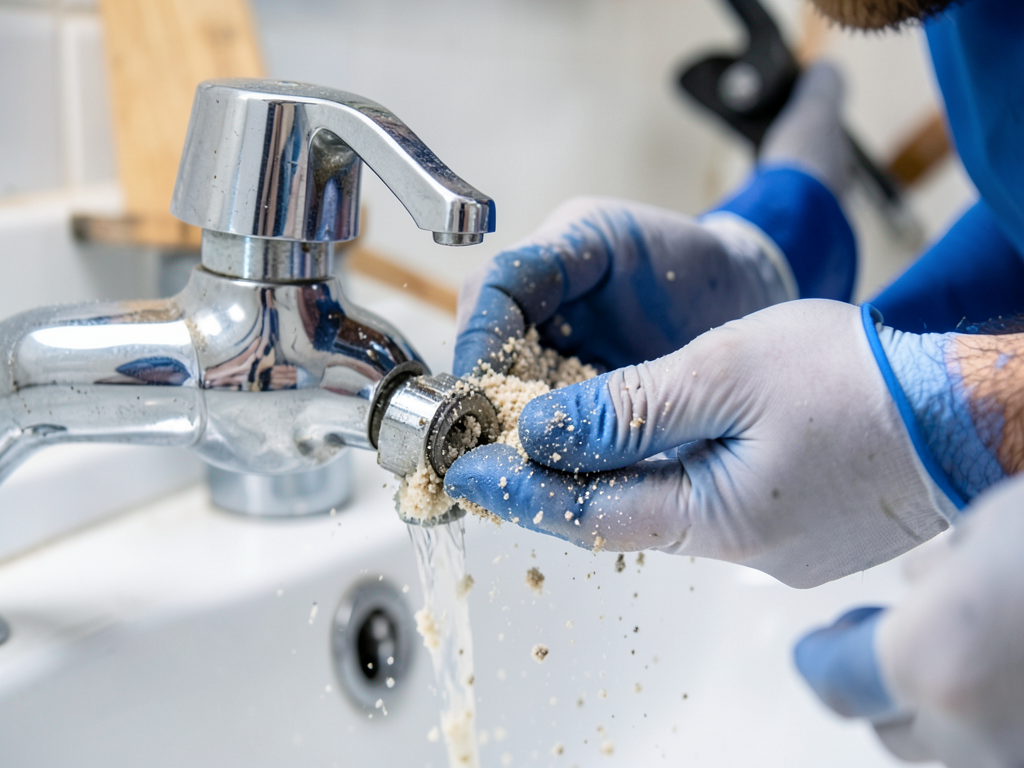
What to Do if Sand Gets Into Your Outdoor Plumbing or Beach Shower
Sand in your outdoor plumbing or beach shower can quickly turn a refreshing rinse into a frustrating mess. The fine particles can clog aerators, damage seals, and even reduce water pressure. If you live near Virginia Beach’s coastal areas like Sandbridge or the Oceanfront, sand infiltration is a common problem caused by storm surges, high water tables, and shifting sandy soils. The good news is that most sand clogs can be cleared with a few simple steps. Here’s how to diagnose the issue, remove the sand, and prevent it from coming back. Virginia Department of Environmental Quality.
Step 1: Confirm It’s Sand and Not Mineral Scale
Before you start cleaning, make sure the gritty material is actually sand. Mineral scale from hard water looks similar but dissolves in vinegar. To test, collect some of the debris in a clear jar, add white vinegar, and wait 15 minutes. If the particles dissolve or soften, it’s scale. If they stay hard and gritty, it’s sand or sediment. This matters because sand requires mechanical removal while scale needs chemical treatment. Hard water solutions for Pungo properties using well water.
Common signs of sand in your plumbing include:
- Reduced water pressure from outdoor spigots or beach showers
- Gritty residue on fixtures or in the bottom of sinks
- Unusual pump cycling if you have a well system
- Brown or cloudy water that clears after running for a few minutes
Step 2: Clean Faucet Aerators and Showerheads
The first place sand shows up is in the small screens and filters inside your fixtures. Remove the aerator from your outdoor faucet by unscrewing it counterclockwise. Take it apart and rinse each component under running water. Use an old toothbrush to scrub away stubborn sand. For showerheads, soak them in a bucket of clean water and then use compressed air or a fine needle to clear the spray holes.
Tip: Keep a spare aerator on hand. They’re inexpensive and make reassembly faster.
Step 3: Flush Your Water Heater
Sand and sediment often settle in the bottom of your water heater, especially if you have a well. Flushing removes this buildup and prevents damage to the heating elements. Turn off the power or gas to the heater, attach a garden hose to the drain valve, and run the water outside until it runs clear. This process can take 20-30 minutes depending on sediment levels. Drain Cleaning & Rooter Service.
Warning: Always let the water cool before draining to avoid burns. If you’re unsure about the process, call a professional.
Step 4: Flush the Entire Plumbing System
After cleaning individual fixtures, flush the whole system to push sand out of the pipes. Start with cold water: open all outdoor faucets and let them run for 10-15 minutes. Then switch to hot water and repeat. This sequential flushing ensures sand moves through the system rather than getting stuck in new places.
If you have a well, you may need to flush the pressure tank as well. This involves turning off the pump, opening a drain valve, and letting the tank empty completely.
Step 5: Install a Sediment Filter
Once the sand is out, keep it out with a whole-house sediment filter. These filters trap particles before they enter your plumbing. For Virginia Beach’s sandy soil, a 20-micron or 50-micron filter is usually sufficient. Replace the filter every 3-6 months or more often if you notice reduced pressure. Keep your Chic’s Beach basement dry with a new sump pump installation.
Well owners should also check the well screen and pump intake for damage. A cracked well screen can let sand in continuously, requiring professional repair. EPA Private Drinking Water Wells.
When to Call a Professional
Some sand problems need expert help. Call a licensed plumber if:
- You see sand in multiple fixtures throughout the house
- Your well pump is cycling rapidly or making unusual noises
- Flushing doesn’t improve water pressure
- You suspect a broken pipe or main line damage
Professional services include camera inspections to locate sand buildup, hydro-jetting to clear pipes, and well pump repairs. These tools solve problems that DIY methods can’t reach.
Prevent Sand from Coming Back
Coastal properties face ongoing sand exposure. To protect your plumbing: Plumbing Newport News.
- Install backflow preventers on outdoor spigots
- Use a sand filter on your well intake
- Elevate outdoor shower platforms to reduce splash-back
- Routinely clean fixtures after storms or high surf
Regular maintenance prevents small sand issues from becoming expensive repairs.
Why Virginia Beach Homes Are Vulnerable
Virginia Beach’s sandy soil and high water table make sand infiltration a year-round concern. Areas like Sandbridge, Pungo, and the Oceanfront are especially prone due to their proximity to the Atlantic and Back Bay. Seasonal storm surges can push sand into shallow water lines, while well pumps in these areas often draw in fine particles from the aquifer.
According to the Virginia Department of Environmental Quality, coastal well owners should test water quality annually and inspect well components every two years to prevent sand damage.
DIY vs. Professional Help: What’s Best for You?
DIY methods work well for minor sand clogs in single fixtures. They’re cost-effective and give you control over the process. However, widespread sand issues, well pump problems, or persistent low pressure require professional diagnosis. A plumber can use specialized tools like pipe cameras and hydro-jetting equipment to solve problems quickly and prevent further damage.
Still unsure? Call (948) 207-0600 for a quick phone assessment. We’ll help you decide the best next step.
Keep Your Plumbing Sand-Free Year-Round
Sand in your outdoor plumbing doesn’t have to ruin your beach lifestyle. With the right tools and a little know-how, you can keep your fixtures flowing freely. Remember to test for sand vs. scale, clean aerators regularly, flush your system after storms, and install proper filters. For persistent problems, professional help is just a phone call away. What to do when you have a burst pipe in your Little Neck home.
Need help now? Call (948) 207-0600 today to schedule your inspection. We serve Virginia Beach, Sandbridge, Pungo, and all coastal communities. Don’t let sand slow you down—let us keep your water flowing clean and clear.
Frequently Asked Questions
How can I tell if sand is coming from my well?
If you notice sand in multiple fixtures, hear your pump cycling rapidly, or see sediment in your pressure tank, your well may be the source. A professional well inspection can confirm this.
Can sand damage my water heater?
Yes. Sand settles at the bottom of the tank and can insulate the burner, reducing efficiency and causing overheating. Flushing your heater annually prevents this damage.
What size sediment filter should I use?
For most Virginia Beach homes, a 20-micron or 50-micron filter works well. If you have fine sand, you may need a 5-micron filter, but these clog faster and require more frequent changes.
Is it safe to drink water with sand in it?
While sand itself isn’t usually harmful, it can carry bacteria or damage your plumbing. If you see sand in your water, stop drinking it and call a professional to test and treat your system.
{
“@context”: “https://schema.org”,
“@type”: “BlogPosting”,
“headline”: “What to Do if Sand Gets Into Your Outdoor Plumbing or Beach Shower”,
“description”: “Discover how to diagnose and remove sand from your Virginia Beach outdoor plumbing. Learn DIY steps and when to call (948) 207-0600 for expert help.”,
“wordCount”: 1203,
“datePublished”: “2026-05-17T08:07:00.000Z”,
“dateModified”: “2026-05-17T08:07:00.000Z”,
“inLanguage”: “en-US”,
“mainEntityOfPage”: {
“@type”: “WebPage”,
“@id”: “https://libertyplumbingvirginiabeach.com”
},
“publisher”: {
“@type”: “LocalBusiness”,
“name”: “Liberty Plumbing Virginia Beach”,
“url”: “https://libertyplumbingvirginiabeach.com”
},
“author”: {
“@type”: “Organization”,
“name”: “Liberty Plumbing Virginia Beach”,
“url”: “https://libertyplumbingvirginiabeach.com”
},
“image”: {
“@type”: “ImageObject”,
“url”: “https://libertyplumbingvirginiabeach.com/wp-content/uploads/2026/03/what-to-do-if-sand-gets-into-your-outdoor-plumbing-1.png”
}
}
{
“@context”: “https://schema.org”,
“@type”: “Plumber”,
“name”: “Liberty Plumbing Virginia Beach”,
“url”: “https://libertyplumbingvirginiabeach.com”,
“address”: {
“@type”: “PostalAddress”,
“addressLocality”: “Virginia Beach”
},
“areaServed”: {
“@type”: “City”,
“name”: “Virginia Beach”
}
}
{
“@context”: “https://schema.org”,
“@type”: “FAQPage”,
“mainEntity”: [
{
“@type”: “Question”,
“name”: “DIY vs. Professional Help: What’s Best for You?”,
“acceptedAnswer”: {
“@type”: “Answer”,
“text”: “DIY methods work well for minor sand clogs in single fixtures. They’re cost-effective and give you control over the process. However, widespread sand issues, well pump problems, or persistent low pressure require professional diagnosis. A plumber can use specialized tools like pipe cameras and hydro-jetting equipment to solve problems quickly and prevent further damage.”
}
},
{
“@type”: “Question”,
“name”: “How can I tell if sand is coming from my well?”,
“acceptedAnswer”: {
“@type”: “Answer”,
“text”: “If you notice sand in multiple fixtures, hear your pump cycling rapidly, or see sediment in your pressure tank, your well may be the source. A professional well inspection can confirm this.”
}
},
{
“@type”: “Question”,
“name”: “Can sand damage my water heater?”,
“acceptedAnswer”: {
“@type”: “Answer”,
“text”: “Yes. Sand settles at the bottom of the tank and can insulate the burner, reducing efficiency and causing overheating. Flushing your heater annually prevents this damage.”
}
},
{
“@type”: “Question”,
“name”: “What size sediment filter should I use?”,
“acceptedAnswer”: {
“@type”: “Answer”,
“text”: “For most Virginia Beach homes, a 20-micron or 50-micron filter works well. If you have fine sand, you may need a 5-micron filter, but these clog faster and require more frequent changes.”
}
},
{
“@type”: “Question”,
“name”: “Is it safe to drink water with sand in it?”,
“acceptedAnswer”: {
“@type”: “Answer”,
“text”: “While sand itself isn’t usually harmful, it can carry bacteria or damage your plumbing. If you see sand in your water, stop drinking it and call a professional to test and treat your system.”
}
}
]
}
{
“@context”: “https://schema.org”,
“@type”: “BreadcrumbList”,
“itemListElement”: [
{
“@type”: “ListItem”,
“position”: 1,
“name”: “Home”,
“item”: “https://libertyplumbingvirginiabeach.com”
},
{
“@type”: “ListItem”,
“position”: 2,
“name”: “Blog”,
“item”: “https://libertyplumbingvirginiabeach.com/blog”
},
{
“@type”: “ListItem”,
“position”: 3,
“name”: “What to Do if Sand Gets Into Your Outdoor Plumbing or Beach Shower”
}
]
}
{
“@context”: “https://schema.org”,
“@type”: “Service”,
“serviceType”: “Plumbing”,
“provider”: {
“@type”: “LocalBusiness”,
“name”: “Liberty Plumbing Virginia Beach”,
“url”: “https://libertyplumbingvirginiabeach.com”
},
“areaServed”: {
“@type”: “City”,
“name”: “Virginia Beach”
},
“description”: “Discover how to diagnose and remove sand from your Virginia Beach outdoor plumbing. Learn DIY steps and when to call (948) 207-0600 for expert help.”
}