
What Type of Pipe Insulation Works Best for the Humid Virginia Beach Climate?
Virginia Beach’s coastal humidity creates unique challenges for home plumbing systems. With summer humidity often exceeding 80% and occasional freezing winter nights the wrong pipe insulation can lead to condensation mold growth and even burst pipes. This guide breaks down the best insulation materials for our local climate focusing on moisture resistance R-values and long-term durability against salt air and humidity. Virginia Uniform Statewide Building Code.
Why Pipe Insulation Matters in Coastal Virginia
Virginia Beach’s climate sits in a tricky zone where both extreme heat and occasional cold snaps threaten plumbing systems. During humid summer months cold water pipes can develop condensation that drips onto insulation and creates perfect conditions for mold and mildew. In winter even a single night below freezing can burst unprotected pipes. The Virginia Uniform Statewide Building Code (USBC) Section 502.4.1 requires minimum R-values for pipe insulation but our coastal environment demands more protection than inland areas need. Keep your Chic’s Beach basement dry with a new sump pump installation.
Local building inspectors often find that standard insulation materials fail within 3-5 years in coastal crawl spaces due to constant moisture exposure. The salt air accelerates material breakdown while high humidity prevents proper drying. This combination means Virginia Beach homeowners need insulation specifically engineered for marine environments.. Read more about Why the Virginia Beach Humidity Makes Your Toilet Tank Sweat and How to Stop It.
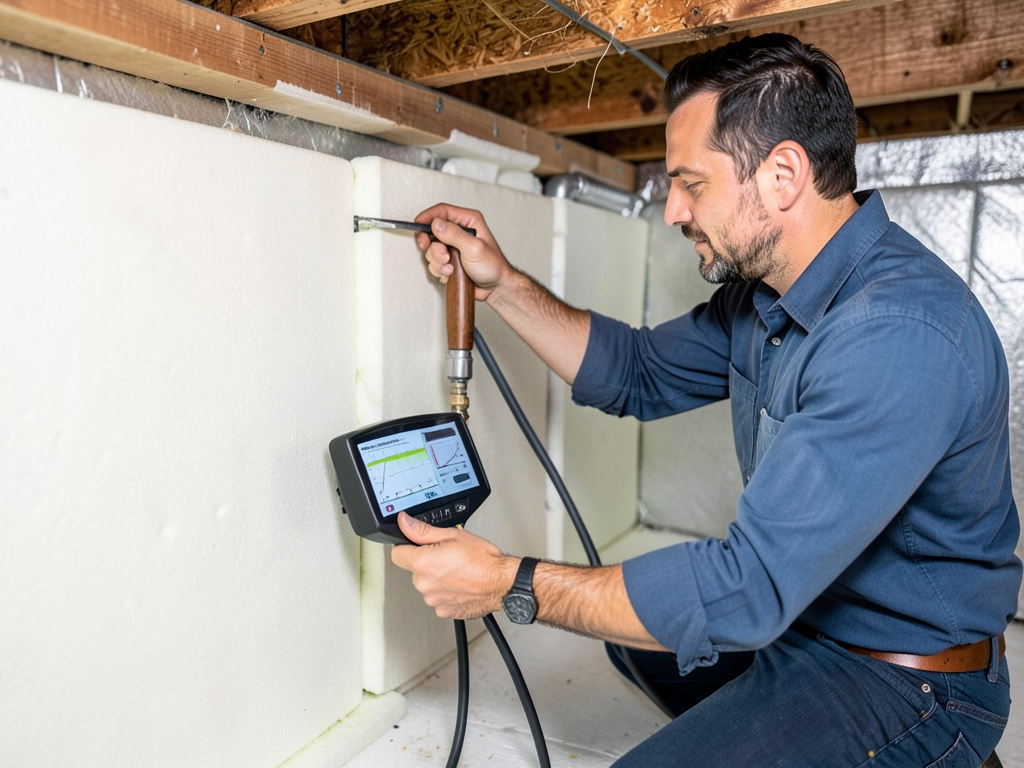
Image: Technician installing closed-cell foam insulation on cold water pipes in a Virginia Beach crawl space showing proper vapor barrier application. Hard water solutions for Pungo properties using well water.
Comparison of Top Insulation Materials
| Material Type | R-Value per Inch | Moisture Resistance | Cost per Linear Foot | Best For |
|---|---|---|---|---|
| Polyethylene Foam | 3.0-3.3 | Good (closed-cell) | $0.50-0.80 | Hot water lines |
| Elastomeric Rubber | 3.5-4.0 | Excellent (closed-cell) | $1.00-1.50 | Cold water lines |
| Fiberglass with Jacket | 2.9-3.0 | Poor (open-cell) | $0.40-0.60 | Attic applications |
| Mineral Wool | 3.0-3.3 | Fair (open-cell) | $0.70-0.90 | High-temperature applications |
Best Insulation for Hot vs. Cold Water Lines
Hot Water Lines: Heat Retention Focus
Hot water pipes benefit most from insulation that minimizes heat loss and prevents energy waste. Polyethylene foam works well here because it resists moisture absorption while providing adequate R-value. The closed-cell structure prevents water from wicking into the material which is crucial in Virginia Beach’s humid crawl spaces.
For maximum efficiency install foam insulation with a minimum R-4 rating on all hot water lines longer than 6 feet. This reduces standby heat loss by up to 30% according to Department of Energy studies. In Virginia Beach homes this translates to noticeable savings on utility bills especially in older homes with less efficient water heaters. Department of Energy insulation guidelines.
Cold Water Lines: Condensation Prevention
Cold water pipes are the biggest condensation problem in humid climates. When humid air contacts cold pipes moisture condenses on the surface and can drip continuously during summer months. This creates the perfect environment for mold growth and can damage surrounding materials.
Elastomeric rubber insulation provides superior condensation control because of its higher R-value and closed-cell structure. The material remains flexible in temperature extremes and resists UV degradation if exposed to sunlight. For Virginia Beach homes this means fewer maintenance calls and longer-lasting protection against pipe sweating.
Image: Close-up of elastomeric rubber insulation installed on copper cold water pipes showing seamless vapor barrier and moisture-resistant properties.
Installation Guide: DIY vs. Professional Grade
Materials and Tools Needed
- Appropriate insulation material (based on pipe temperature)
- Utility knife with fresh blades
- Measuring tape
- Sealant tape or adhesive
- Vapor barrier tape
- Safety gloves and goggles
Step-by-Step Installation Process
- Measure and Cut
Measure pipe length and cut insulation to size using a sharp utility knife. Always cut slightly longer than needed for proper fit.
- Apply Insulation
Slide insulation onto pipes ensuring the slit faces downward on horizontal runs. For elbows and T-joints use pre-formed pieces or carefully cut standard insulation.
- Seal Joints
Apply vapor barrier tape over all seams and joints. This prevents moisture infiltration that can compromise insulation effectiveness.
- Check Fit
Verify that insulation fits snugly without gaps. Any exposed pipe surface becomes a condensation point.
Professional installation becomes necessary when dealing with complex plumbing configurations hard-to-reach areas or when local building codes require specific installation methods. Virginia Beach building inspectors often require documentation of proper insulation installation for permit approvals. Plumbing Newport News.
Frequently Asked Questions
What R-value do I need for pipe insulation in Virginia?
The USBC requires minimum R-3 for most residential applications but Virginia’s Zone 4 climate (per International Energy Conservation Code) recommends R-4 to R-6 for optimal performance. Coastal areas like Virginia Beach benefit from the higher end of this range due to humidity concerns.
How does salt air affect pipe insulation in Virginia Beach?
Salt air accelerates material degradation through a process called galvanic corrosion. Standard insulation materials may break down within 3-5 years near the oceanfront. Marine-grade insulation with UV and salt resistance extends service life to 10-15 years in coastal environments.
Can I use heat tape with pipe insulation?
Yes but only with specific insulation types designed for heat tape compatibility. Standard foam insulation can melt or become a fire hazard when used with heat cables. Always follow manufacturer guidelines and local electrical codes.
How often should pipe insulation be replaced?
Inspect insulation annually for signs of moisture damage compression or separation. Coastal Virginia’s high humidity means most insulation needs replacement every 5-7 years though marine-grade materials can last up to 15 years with proper installation.
Image: Before and after comparison of crawl space pipe insulation installation showing mold prevention and energy efficiency improvements.
Local Building Code Requirements
The Virginia Uniform Statewide Building Code (USBC) Section 502.4.1 requires minimum insulation for all exposed hot and cold water piping. For Virginia Beach’s climate zone the code specifies:
- Hot water pipes: Minimum R-3 insulation
- Cold water pipes: Minimum R-3 insulation when condensation control is required
- Outdoor pipes: Minimum R-4 with weather-resistant covering
Local inspectors in Virginia Beach often enforce stricter standards for homes in flood zones or near the oceanfront. These properties require additional vapor barriers and corrosion-resistant materials to meet code compliance.
When to Call a Professional
While basic insulation installation seems straightforward several situations require professional expertise:
- Complex plumbing configurations with multiple bends and connections
- Pipes in tight crawl spaces or attics with limited access
- Older homes with galvanized pipes that may need replacement
- Properties in designated flood zones requiring special materials
- Commercial buildings with specific code requirements
Professional plumbers understand local building codes have access to commercial-grade materials and can identify potential problems during installation. This expertise prevents costly mistakes and ensures long-term performance. Commercial Plumbing Contractors.
Cost Considerations for Virginia Beach Homeowners
Material costs vary significantly based on quality and application. Standard polyethylene foam runs $0.50-0.80 per linear foot while marine-grade elastomeric rubber costs $1.00-1.50 per linear foot. Professional installation adds $2-4 per linear foot for labor depending on job complexity.
Most Virginia Beach homeowners spend $500-1500 on complete pipe insulation projects with higher costs for larger homes or those requiring special materials for coastal protection. The investment typically pays for itself within 2-3 years through energy savings and prevented damage.
Maintenance and Inspection Tips
Regular inspection prevents small problems from becoming major issues. Check insulation every six months for:
- Moisture accumulation or water stains
- Compression or gaps in coverage
- Separation at joints or seams
- Pest damage or nesting
- UV degradation on exposed sections
Early detection of problems allows for targeted repairs rather than complete replacement saving money and preventing water damage to surrounding structures.
Energy Efficiency Benefits
Proper pipe insulation provides multiple benefits beyond freeze protection. According to the U.S. Department of Energy insulated hot water pipes can raise water temperature by 2-4°F compared to uninsulated pipes allowing you to lower your water heater setting and save energy.
For Virginia Beach homes this means potential annual savings of $50-150 on utility bills depending on household size and water usage patterns. The energy savings increase in homes with long pipe runs or those located in unconditioned spaces like crawl areas.
Conclusion: Making the Right Choice for Your Home
Virginia Beach’s unique climate demands insulation materials that resist both moisture and temperature extremes. While basic foam insulation works for many applications homes in coastal areas benefit from marine-grade materials that withstand salt air and high humidity.
Consider your specific needs: cold water pipes in humid crawl spaces need elastomeric rubber with high R-values while hot water lines can use polyethylene foam for cost-effective heat retention. Professional installation ensures proper coverage and code compliance protecting your investment for years to come.
Don’t wait until the next cold snap or humid summer to address pipe insulation. Call (948) 207-0600 today to schedule your inspection and get expert recommendations for your Virginia Beach home.
Pick up the phone and call (948) 207-0600 before the next storm hits. Our experienced team understands Virginia Beach’s unique climate challenges and can recommend the perfect insulation solution for your specific situation.
You may also find this helpful. Choosing the Right Frost-Proof Outdoor Spigot for Our Coastal Virginia Climate.
{
“@context”: “https://schema.org”,
“@type”: “BlogPosting”,
“headline”: “What Type of Pipe Insulation Works Best for the Humid Virginia Beach Climate?”,
“description”: “Find the best pipe insulation for Virginia Beach’s humid climate. Learn about moisture-resistant materials, building codes, and local installation tips.”,
“wordCount”: 1480,
“datePublished”: “2026-05-09T14:19:00.000Z”,
“dateModified”: “2026-05-09T14:19:00.000Z”,
“inLanguage”: “en-US”,
“mainEntityOfPage”: {
“@type”: “WebPage”,
“@id”: “https://libertyplumbingvirginiabeach.com”
},
“publisher”: {
“@type”: “LocalBusiness”,
“name”: “Liberty Plumbing Virginia Beach”,
“url”: “https://libertyplumbingvirginiabeach.com”
},
“author”: {
“@type”: “Organization”,
“name”: “Liberty Plumbing Virginia Beach”,
“url”: “https://libertyplumbingvirginiabeach.com”
},
“image”: {
“@type”: “ImageObject”,
“url”: “https://libertyplumbingvirginiabeach.com/wp-content/uploads/2026/03/what-type-of-pipe-insulation-works-best-for-the-hu-1.png”
}
}
{
“@context”: “https://schema.org”,
“@type”: “Plumber”,
“name”: “Liberty Plumbing Virginia Beach”,
“url”: “https://libertyplumbingvirginiabeach.com”,
“address”: {
“@type”: “PostalAddress”,
“addressLocality”: “Virginia Beach”
},
“areaServed”: {
“@type”: “City”,
“name”: “Virginia Beach”
}
}
{
“@context”: “https://schema.org”,
“@type”: “FAQPage”,
“mainEntity”: [
{
“@type”: “Question”,
“name”: “What R-value do I need for pipe insulation in Virginia?”,
“acceptedAnswer”: {
“@type”: “Answer”,
“text”: “The USBC requires minimum R-3 for most residential applications but Virginia’s Zone 4 climate (per International Energy Conservation Code) recommends R-4 to R-6 for optimal performance. Coastal areas like Virginia Beach benefit from the higher end of this range due to humidity concerns.”
}
},
{
“@type”: “Question”,
“name”: “How does salt air affect pipe insulation in Virginia Beach?”,
“acceptedAnswer”: {
“@type”: “Answer”,
“text”: “Salt air accelerates material degradation through a process called galvanic corrosion. Standard insulation materials may break down within 3-5 years near the oceanfront. Marine-grade insulation with UV and salt resistance extends service life to 10-15 years in coastal environments.”
}
},
{
“@type”: “Question”,
“name”: “Can I use heat tape with pipe insulation?”,
“acceptedAnswer”: {
“@type”: “Answer”,
“text”: “Yes but only with specific insulation types designed for heat tape compatibility. Standard foam insulation can melt or become a fire hazard when used with heat cables. Always follow manufacturer guidelines and local electrical codes.”
}
},
{
“@type”: “Question”,
“name”: “How often should pipe insulation be replaced?”,
“acceptedAnswer”: {
“@type”: “Answer”,
“text”: “Inspect insulation annually for signs of moisture damage compression or separation. Coastal Virginia’s high humidity means most insulation needs replacement every 5-7 years though marine-grade materials can last up to 15 years with proper installation.”
}
}
]
}
{
“@context”: “https://schema.org”,
“@type”: “HowTo”,
“name”: “How to Install Pipe Insulation”,
“step”: [
{
“@type”: “HowToStep”,
“position”: 1,
“name”: “Measure and Cut”,
“text”: “Measure pipe length and cut insulation to size using a sharp utility knife. Always cut slightly longer than needed for proper fit.”
},
{
“@type”: “HowToStep”,
“position”: 2,
“name”: “Apply Insulation”,
“text”: “Slide insulation onto pipes ensuring the slit faces downward on horizontal runs. For elbows and T-joints use pre-formed pieces or carefully cut standard insulation.”
},
{
“@type”: “HowToStep”,
“position”: 3,
“name”: “Seal Joints”,
“text”: “Apply vapor barrier tape over all seams and joints. This prevents moisture infiltration that can compromise insulation effectiveness.”
},
{
“@type”: “HowToStep”,
“position”: 4,
“name”: “Check Fit”,
“text”: “Verify that insulation fits snugly without gaps. Any exposed pipe surface becomes a condensation point.”
}
],
“image”: “https://libertyplumbingvirginiabeach.com/wp-content/uploads/2026/03/what-type-of-pipe-insulation-works-best-for-the-hu-1.png”
}
{
“@context”: “https://schema.org”,
“@type”: “BreadcrumbList”,
“itemListElement”: [
{
“@type”: “ListItem”,
“position”: 1,
“name”: “Home”,
“item”: “https://libertyplumbingvirginiabeach.com”
},
{
“@type”: “ListItem”,
“position”: 2,
“name”: “Blog”,
“item”: “https://libertyplumbingvirginiabeach.com/blog”
},
{
“@type”: “ListItem”,
“position”: 3,
“name”: “What Type of Pipe Insulation Works Best for the Humid Virginia Beach Climate?”
}
]
}
{
“@context”: “https://schema.org”,
“@type”: “Service”,
“serviceType”: “Plumbing”,
“provider”: {
“@type”: “LocalBusiness”,
“name”: “Liberty Plumbing Virginia Beach”,
“url”: “https://libertyplumbingvirginiabeach.com”
},
“areaServed”: {
“@type”: “City”,
“name”: “Virginia Beach”
},
“description”: “Find the best pipe insulation for Virginia Beach’s humid climate. Learn about moisture-resistant materials, building codes, and local installation tips.”
}