
Common Plumbing Issues Found in Older Heritage Park Homes
Heritage Park’s charming mid-century homes built between the 1950s and 1970s are now facing critical plumbing failures. The combination of Virginia Beach’s high water table, sandy soil conditions, and salt air corrosion creates a perfect storm for pipe degradation. Many of these homes still contain their original plumbing systems, which are now reaching the end of their expected lifespan. Virginia Beach County Building Code Information.
Local plumbers report that Heritage Park properties commonly experience three material-specific failures: galvanized steel pipes corroding from the inside out, cast iron sewer lines cracking under shifting sandy soil, and polybutylene connections failing at joints. The average home in this neighborhood has a 65% chance of needing partial or complete repiping within the next five years.
Galvanized Steel Pipes: The Silent Water Restrictor
Galvanized steel was the standard water supply material in Heritage Park homes built before 1970. These pipes look fine from the outside but corrode internally, creating what plumbers call “closed arteries.” Water pressure drops gradually as mineral buildup and rust constrict the pipe’s internal diameter. Hard water solutions for Pungo properties using well water.
DIAGNOSTIC TEST: A simple screwdriver tap on exposed galvanized pipes reveals their condition. Healthy pipes produce a solid metallic ring. Corroded pipes sound dull and may even dent under light pressure. The presence of rust-colored water when first turning on a tap indicates internal pipe failure.. Read more about What to Do if Your Castleton Water Meter Is Spinning but No Faucets Are On.
According to the Virginia Uniform Statewide Building Code, galvanized steel water pipes are no longer permitted for new installations. Modern PEX and copper systems offer superior corrosion resistance and longer lifespans in coastal environments.. Read more about Is a Steam Shower Installation Right for Your North End Master Bathroom?.
Cast Iron Sewer Lines: The Ground Shift Problem
Heritage Park’s sandy soil creates unique challenges for cast iron sewer lines installed in the mid-20th century. The loose, shifting soil causes pipes to settle unevenly, creating “bellies” where waste collects instead of flowing properly. Tree roots from mature oaks common in the neighborhood penetrate joints seeking moisture.. Read more about How to Properly Clean That Hidden Overflow Hole in Your Brigadoon Sink.
VIDEO INSPECTION FINDINGS: Plumbers using camera scopes in Heritage Park homes frequently discover separated joints, root intrusions, and pipe sections that have dropped several inches from their original grade. These issues cause recurring backups and sewage odors in basements and crawl spaces. EPA Ground Water and Drinking Water Information.
The average cast iron sewer line in Virginia Beach lasts 40-50 years. Many Heritage Park homes are now at or beyond this threshold, making proactive replacement a wise investment. Keep your Chic’s Beach basement dry with a new sump pump installation.
Polybutylene Piping: The 1980s Time Bomb
Homes built during the 1980s construction boom in Heritage Park often contain polybutylene (commonly called Quest) piping. This gray plastic pipe was marketed as a cheap alternative to copper but has proven highly susceptible to failure when exposed to chlorine and other chemicals in municipal water supplies.
FAILURE PATTERN: Polybutylene pipes typically fail at fittings and connections rather than along the pipe length. Homeowners often discover catastrophic leaks in walls or ceilings with no warning signs. Insurance companies frequently deny claims for damage caused by polybutylene failures.. Read more about Signs Your Point O’ View Roof Vent Stack Is Clogged and Causing Gurgling Drains.
National Association of Home Builders studies show polybutylene systems have an average failure rate of 60% within 20 years of installation. Heritage Park homes with this piping are now well past that danger window.
Slab Leaks: The Hidden Water Wasters
Heritage Park’s slab-on-grade construction makes slab leaks particularly problematic. These leaks occur when water supply lines beneath concrete foundations develop pinhole leaks due to corrosion, pressure changes, or poor installation. The sandy soil in Virginia Beach accelerates corrosion in older copper and galvanized pipes.
DETECTION METHODS: Professional plumbers use acoustic listening devices to hear water escaping through concrete. Thermal imaging cameras reveal temperature differences caused by leaking hot water lines. Unexplained increases in water bills often indicate a slab leak that has gone undetected for months.
The Virginia Beach Department of Public Utilities reports that slab leaks in older homes can waste up to 10,000 gallons of water per month before homeowners notice symptoms like warm spots on floors or the sound of running water when all fixtures are off.
Water Heater Issues: Sediment and Corrosion
Hard water in the Hampton Roads area creates significant problems for water heaters in Heritage Park homes. Mineral sediment accumulates in tank bottoms, reducing efficiency and creating popping sounds during heating cycles. Anode rods in older units are often completely consumed, leaving tanks vulnerable to internal corrosion.
MAINTENANCE TEST: Draining a few gallons from the water heater drain valve reveals sediment levels. Rusty or cloudy water indicates internal tank corrosion. Most water heaters in Virginia Beach last 8-12 years, and many Heritage Park homes are now on their second or third unit. Drain Cleaning & Rooter Service.
Modern tankless water heaters offer superior efficiency and longer lifespans, making them an attractive upgrade for homeowners dealing with recurring water heater problems.
Fixture Corrosion: The Salt Air Effect
Heritage Park’s proximity to Virginia Beach’s coastal environment accelerates corrosion on plumbing fixtures and exposed pipes. Salt air penetrates even small openings, causing brass and copper fixtures to develop green patina or white mineral deposits. Outdoor hose bibs and irrigation systems are particularly vulnerable. Plumbing Newport News.
VISUAL INDICATORS: Corroded fixtures show pitting, discoloration, and mineral buildup around handles and spouts. Shut-off valves under sinks often become stuck due to corrosion, making emergency water shut-off difficult during leaks. Replacing these components with marine-grade or corrosion-resistant materials extends system longevity.
Comparison of Common Plumbing Materials in Heritage Park Homes Commercial Plumbing Contractors.
| Material | Typical Lifespan | Common Failure Mode | Replacement Cost Range |
|---|---|---|---|
| Galvanized Steel | 40-50 years | Internal corrosion | $3,000-$8,000 |
| Cast Iron Sewer | 40-50 years | Ground shifting | $4,000-$12,000 |
| Polybutylene | 10-20 years | Joint failures | $2,500-$6,000 |
| Copper | 50+ years | Pinhole leaks | $4,000-$10,000 |
Repair vs. Replace: Making the Right Decision
Heritage Park homeowners face a critical decision when plumbing failures occur. Quick repairs may seem cost-effective but often lead to repeated service calls and escalating damage. A whole-home plumbing assessment reveals the true condition of your system and helps determine whether targeted repairs or complete repiping makes more financial sense.. Read more about The Most Effective Whole House Carbon Filters for Removing Chlorine in Robinhood City Water.
COST FACTOR ANALYSIS: Consider the age of your home, the extent of visible corrosion, water pressure issues throughout the house, and the frequency of plumbing problems. Homes over 40 years old with multiple material types often benefit from comprehensive repiping rather than piecemeal repairs.
Modern PEX piping offers several advantages for Heritage Park homes: flexibility to navigate tight spaces, resistance to corrosion in coastal environments, and the ability to install with minimal wall demolition. Copper remains popular for its longevity and resale value but requires more careful installation to prevent corrosion.
Preventive Maintenance: Protecting Your Investment
Regular plumbing inspections can identify potential failures before they cause damage. Professional plumbers use specialized tools to assess pipe condition, test water pressure, and check for hidden leaks. Annual water heater maintenance including sediment flushing and anode rod inspection extends equipment life.
SIMPLE TESTS YOU CAN PERFORM: Check under sinks for moisture or corrosion monthly. Listen for unusual sounds in pipes when water runs. Monitor water bills for unexplained increases. Test all shut-off valves annually to ensure they operate smoothly in emergencies.
The high water table in Heritage Park means sump pumps play a crucial role in preventing basement flooding. Testing these systems regularly and ensuring proper discharge away from the foundation protects both your plumbing and your home’s structure.
Local Building Code Considerations
Virginia Beach requires permits for most plumbing work, including pipe replacements and water heater installations. The Virginia Uniform Statewide Building Code mandates specific materials and installation methods to ensure safety and efficiency. Heritage Park homes undergoing major renovations must comply with current codes, which may require updating plumbing systems beyond the immediate repair area.
PERMIT REQUIREMENTS: Repiping projects typically require plumbing permits from the city. Licensed plumbers handle permit applications and inspections as part of their service. Working with unlicensed contractors who skip permits can result in failed inspections, fines, and insurance claim denials.
Heritage Park’s location within the Hampton Roads Sanitation District means sewer line work must meet HRSD specifications for proper drainage and environmental protection.
Emergency Response: When Plumbing Fails
Plumbing emergencies in Heritage Park homes require immediate action to prevent extensive water damage. Knowing the location of your main water shut-off valve and how to operate it can save thousands in repair costs. Most homes have the valve near the front foundation or in a utility area.
EMERGENCY STEPS: Shut off the main water supply immediately. Turn off electricity to affected areas if water threatens electrical systems. Document damage with photos for insurance purposes. Contact a licensed plumber who offers 24/7 emergency service.
Heritage Park’s aging infrastructure means some homes may experience city water main issues that affect multiple properties. Check with neighbors if you experience sudden pressure drops or water quality changes.
Modern Solutions for Heritage Homes
Trenchless sewer repair technology offers Heritage Park homeowners a way to replace damaged sewer lines without extensive yard excavation. This method involves inserting a new liner through the existing pipe, creating a seamless replacement that resists root intrusion and ground shifting.
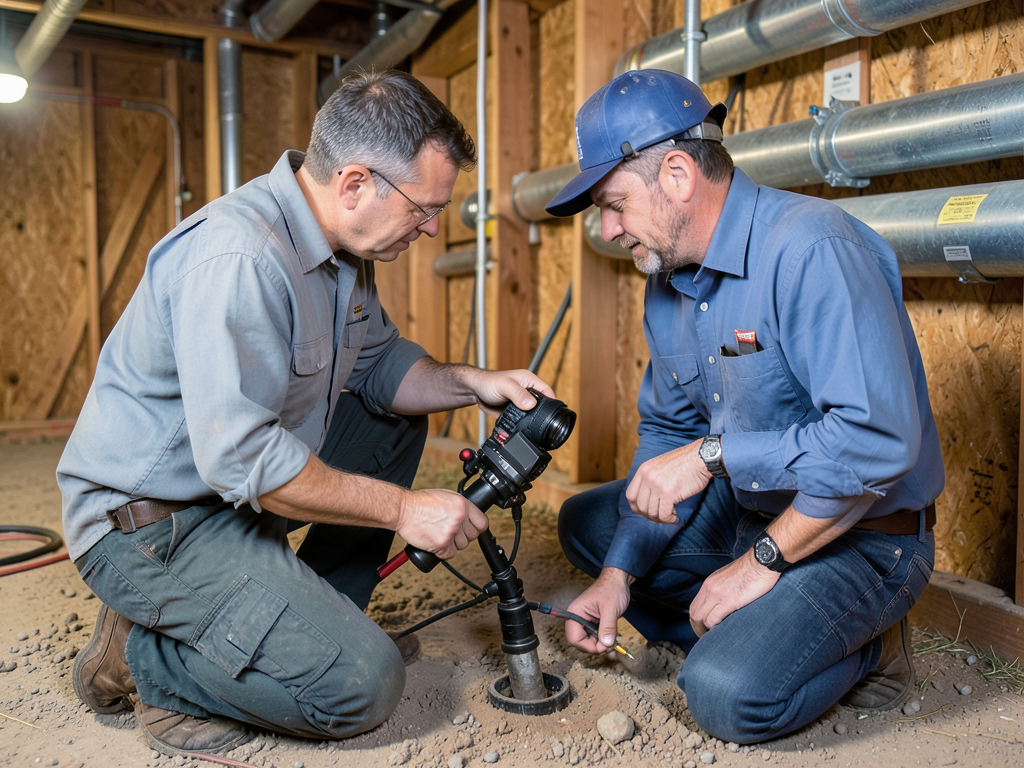
VIDEO CAMERA INSPECTION: Before any major plumbing work, professionals use waterproof cameras to inspect pipes from the inside. This diagnostic tool reveals exact locations of damage, pipe material condition, and the extent of problems. Camera inspections typically cost $200-$400 but can prevent unnecessary repairs.
Smart water monitoring systems now available for residential use can detect unusual water flow patterns and automatically shut off supply when leaks are detected. These systems provide peace of mind for Heritage Park homeowners concerned about catastrophic failures while away from home.
Water Quality Considerations
Virginia Beach’s municipal water supply contains minerals that affect plumbing longevity. Hard water causes scale buildup in pipes and water heaters, reducing efficiency and flow rates. Some Heritage Park homes may benefit from water softening systems that protect plumbing while improving water feel and appliance performance.
TESTING RECOMMENDATIONS: Professional water quality testing identifies mineral content, pH levels, and potential contaminants. This information guides decisions about treatment systems and pipe material selection for replacements. Homes with well water in surrounding areas face different challenges requiring specialized filtration.
The EPA recommends testing private well water annually for bacteria and other contaminants. Heritage Park homes on municipal supply should test for lead if built before 1986 when lead solder was banned for drinking water pipes.
Financing Your Plumbing Project
Major plumbing repairs in Heritage Park homes represent significant investments. Many homeowners explore financing options to spread costs over time. Some plumbing companies offer payment plans, while home equity loans often provide favorable terms for home improvement projects.
RETURN ON INVESTMENT: Updated plumbing systems increase home value and appeal to buyers. Energy-efficient fixtures and water heaters reduce utility costs. Preventing water damage through proactive repairs avoids costly insurance claims and property damage.
Insurance companies may offer premium discounts for homes with updated plumbing systems and leak detection devices. Check with your provider about potential savings for preventive upgrades.
Choosing the Right Plumbing Professional
Heritage Park’s unique plumbing challenges require contractors with specific experience in older home systems and coastal environmental factors. Look for licensed master plumbers with extensive local experience and positive reviews from Heritage Park neighbors.
QUALIFICATION CHECKLIST: Verify current Virginia state plumbing license, check BBB ratings, ask about experience with similar homes, and request references from local projects. Professional plumbers provide detailed written estimates and stand behind their work with warranties.
Avoid contractors who recommend unnecessary replacements or cannot explain their diagnostic process. Reputable professionals prioritize repairs that extend system life while being transparent about when replacement makes more sense.
Conclusion: Protecting Your Heritage Park Home
The charming mid-century homes of Heritage Park deserve plumbing systems that match their character while meeting modern performance standards. Understanding the common failure patterns in these homes allows homeowners to make informed decisions about maintenance, repairs, and upgrades.
Proactive assessment of your home’s plumbing condition can prevent emergency failures and protect your investment. Many Heritage Park homeowners find that addressing plumbing issues before they cause damage provides peace of mind and long-term cost savings.
Don’t wait for a plumbing emergency to discover your system’s true condition. Professional inspection can identify potential problems while they’re still manageable and affordable to fix.
Frequently Asked Questions
How do I know if my Heritage Park home has galvanized pipes?
Galvanized pipes are silver-gray when new but turn dull gray with age. You can usually see them in unfinished basements or where they enter the home. A magnet sticks to galvanized steel but not to copper or PEX. If your home was built before 1970 and hasn’t been repiped, it likely contains some galvanized piping.
What’s the average cost to repipe a Heritage Park home?
Repiping costs vary based on home size and pipe accessibility, but most Heritage Park homes cost between $4,000 and $10,000 for complete repiping. Factors affecting price include whether walls need opening, the chosen pipe material, and whether you’re replacing just supply lines or also sewer lines.
Should I repair or replace my old cast iron sewer line?
For cast iron sewer lines over 40 years old in Heritage Park, replacement is often more cost-effective than repeated repairs. Trenchless replacement can save landscaping costs, while traditional excavation may be necessary for severely damaged lines. A camera inspection will reveal whether repair or replacement is the better option.
How can I prevent plumbing emergencies in my older home?
Schedule annual plumbing inspections, test shut-off valves quarterly, monitor water bills for unusual increases, and address minor issues promptly. Consider installing a whole-home water shut-off system that detects leaks automatically. Regular water heater maintenance and replacing old supply lines before they fail are also key preventive measures.
Does Virginia Beach require permits for plumbing work?
Yes, Virginia Beach requires permits for most plumbing work including pipe replacements, water heater installations, and sewer line repairs. Licensed plumbers typically handle permit acquisition as part of their service. Working without permits can result in fines and complications when selling your home.
Call (948) 207-0600 today to schedule your comprehensive plumbing inspection. Our experienced technicians understand the unique challenges of Heritage Park homes and can help you protect your investment from costly water damage.
Pick up the phone and call (948) 207-0600 before the next storm hits. Don’t let aging plumbing systems threaten your Heritage Park home’s safety and value. We’re here 24/7 for emergency service and scheduled inspections.
You may also find this helpful. Why Your Ocean Lakes Toilet Keeps Running Even After You Jiggle the Handle.
You may also find this helpful. Adding a Natural Gas Line for Your New Fireplace in Lake Shores.
You may also find this helpful. Why Your New High End Dishwasher Needs a Dedicated Plumbing Line in Bay Colony.
You may also find this helpful. The Real Cost of Relocating Your Laundry Room in a Salem Split Level Home.
{
“@context”: “https://schema.org”,
“@type”: “BlogPosting”,
“headline”: “Common Plumbing Issues Found in Older Heritage Park Homes”,
“description”: “Discover the most common plumbing problems in older Heritage Park homes including galvanized pipes, cast iron sewer lines, and slab leaks. Get expert Virginia Beach solutions.”,
“wordCount”: 2399,
“datePublished”: “2026-04-04T06:13:00.000Z”,
“dateModified”: “2026-04-04T06:13:00.000Z”,
“inLanguage”: “en-US”,
“mainEntityOfPage”: {
“@type”: “WebPage”,
“@id”: “https://libertyplumbingvirginiabeach.com”
},
“publisher”: {
“@type”: “LocalBusiness”,
“name”: “Liberty Plumbing Virginia Beach”,
“url”: “https://libertyplumbingvirginiabeach.com”
},
“author”: {
“@type”: “Organization”,
“name”: “Liberty Plumbing Virginia Beach”,
“url”: “https://libertyplumbingvirginiabeach.com”
},
“image”: {
“@type”: “ImageObject”,
“url”: “https://libertyplumbingvirginiabeach.com/wp-content/uploads/2026/03/common-plumbing-issues-found-in-older-heritage-par-1.png”
}
}
{
“@context”: “https://schema.org”,
“@type”: “Plumber”,
“name”: “Liberty Plumbing Virginia Beach”,
“url”: “https://libertyplumbingvirginiabeach.com”,
“address”: {
“@type”: “PostalAddress”,
“addressLocality”: “Virginia Beach”
},
“areaServed”: {
“@type”: “City”,
“name”: “Virginia Beach”
}
}
{
“@context”: “https://schema.org”,
“@type”: “FAQPage”,
“mainEntity”: [
{
“@type”: “Question”,
“name”: “How do I know if my Heritage Park home has galvanized pipes?”,
“acceptedAnswer”: {
“@type”: “Answer”,
“text”: “Galvanized pipes are silver-gray when new but turn dull gray with age. You can usually see them in unfinished basements or where they enter the home. A magnet sticks to galvanized steel but not to copper or PEX. If your home was built before 1970 and hasn’t been repiped, it likely contains some galvanized piping.”
}
},
{
“@type”: “Question”,
“name”: “What’s the average cost to repipe a Heritage Park home?”,
“acceptedAnswer”: {
“@type”: “Answer”,
“text”: “Repiping costs vary based on home size and pipe accessibility, but most Heritage Park homes cost between $4,000 and $10,000 for complete repiping. Factors affecting price include whether walls need opening, the chosen pipe material, and whether you’re replacing just supply lines or also sewer lines.”
}
},
{
“@type”: “Question”,
“name”: “Should I repair or replace my old cast iron sewer line?”,
“acceptedAnswer”: {
“@type”: “Answer”,
“text”: “For cast iron sewer lines over 40 years old in Heritage Park, replacement is often more cost-effective than repeated repairs. Trenchless replacement can save landscaping costs, while traditional excavation may be necessary for severely damaged lines. A camera inspection will reveal whether repair or replacement is the better option.”
}
},
{
“@type”: “Question”,
“name”: “How can I prevent plumbing emergencies in my older home?”,
“acceptedAnswer”: {
“@type”: “Answer”,
“text”: “Schedule annual plumbing inspections, test shut-off valves quarterly, monitor water bills for unusual increases, and address minor issues promptly. Consider installing a whole-home water shut-off system that detects leaks automatically. Regular water heater maintenance and replacing old supply lines before they fail are also key preventive measures.”
}
},
{
“@type”: “Question”,
“name”: “Does Virginia Beach require permits for plumbing work?”,
“acceptedAnswer”: {
“@type”: “Answer”,
“text”: “Yes, Virginia Beach requires permits for most plumbing work including pipe replacements, water heater installations, and sewer line repairs. Licensed plumbers typically handle permit acquisition as part of their service. Working without permits can result in fines and complications when selling your home.”
}
}
]
}
{
“@context”: “https://schema.org”,
“@type”: “BreadcrumbList”,
“itemListElement”: [
{
“@type”: “ListItem”,
“position”: 1,
“name”: “Home”,
“item”: “https://libertyplumbingvirginiabeach.com”
},
{
“@type”: “ListItem”,
“position”: 2,
“name”: “Blog”,
“item”: “https://libertyplumbingvirginiabeach.com/blog”
},
{
“@type”: “ListItem”,
“position”: 3,
“name”: “Common Plumbing Issues Found in Older Heritage Park Homes”
}
]
}
{
“@context”: “https://schema.org”,
“@type”: “Service”,
“serviceType”: “Plumbing”,
“provider”: {
“@type”: “LocalBusiness”,
“name”: “Liberty Plumbing Virginia Beach”,
“url”: “https://libertyplumbingvirginiabeach.com”
},
“areaServed”: {
“@type”: “City”,
“name”: “Virginia Beach”
},
“description”: “Discover the most common plumbing problems in older Heritage Park homes including galvanized pipes, cast iron sewer lines, and slab leaks. Get expert Virginia Beach solutions.”
}