
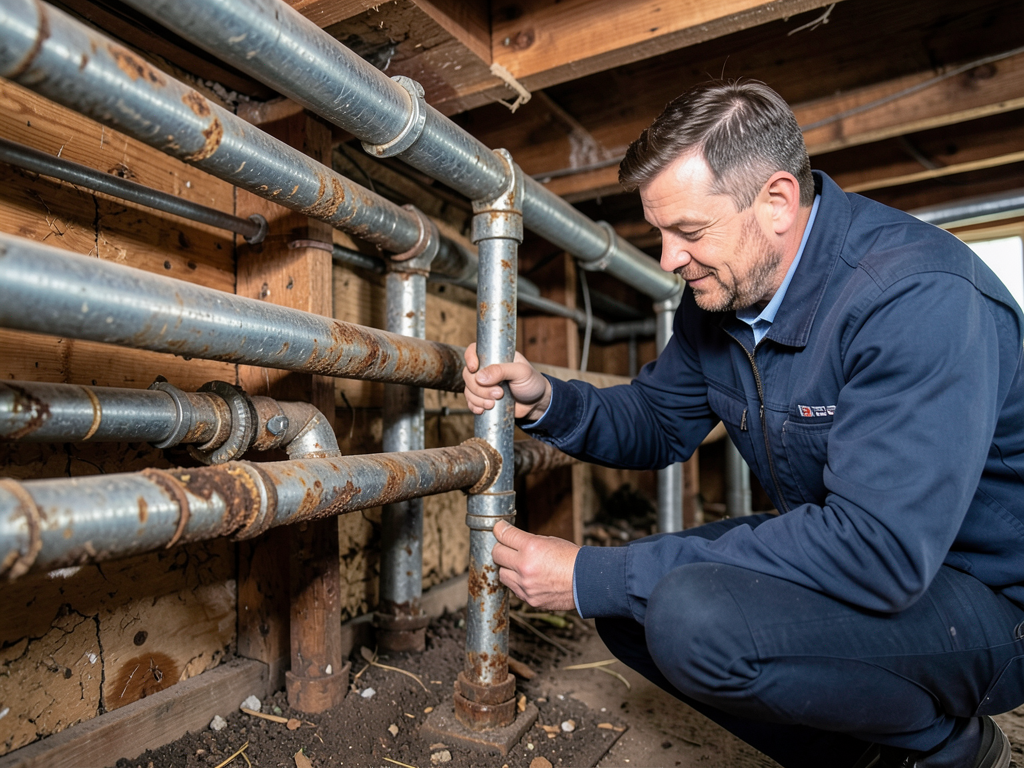
Plumbing Maintenance Tips for Historic Homes Near the Cavalier Hotel
Living in a historic home near the Cavalier Hotel means enjoying timeless architecture and coastal charm. But beneath those beautiful hardwood floors and plaster walls often lies a plumbing system struggling to keep up with modern demands. The combination of aging pipes, salt air corrosion, and Virginia Beach’s high water table creates unique challenges that require specialized knowledge and proactive maintenance. Virginia Department of Health.
Historic homes in the Cavalier Shores and Old Beach areas typically feature plumbing systems installed before 1960, when materials and building practices were vastly different from today’s standards. Understanding these systems and their vulnerabilities is the first step toward preserving your home’s plumbing integrity while maintaining its historic character. Keep your Chic’s Beach basement dry with a new sump pump installation.
Understanding Your Historic Home’s Plumbing System
Before diving into maintenance tips, it’s crucial to understand what type of plumbing materials and systems you’re working with. Many Virginia Beach historic homes contain materials that are no longer used in modern construction due to safety concerns or performance issues. Plumbing Newport News.
Common Pipe Materials in Pre-1960s Homes
Historic homes near the Cavalier Hotel often contain one or more of these legacy pipe materials:
- Galvanized steel pipes – Popular from the 1930s through the 1960s, these pipes corrode from the inside out, causing reduced water pressure and rusty water
- Cast iron sewer lines – Durable but susceptible to rust and tree root intrusion, especially in Virginia Beach’s sandy soil
- Lead service lines – Common in homes built before 1950, these pose serious health risks and are now prohibited by Virginia code
- Clay sewer pipes – Often found in very old properties, these brittle pipes crack easily and allow root intrusion
The high humidity and salt air in Virginia Beach accelerate corrosion on exposed pipes, particularly those in crawl spaces or exterior walls. This coastal environment can reduce the lifespan of galvanized steel pipes by 30-50% compared to inland areas.. Read more about Why the Virginia Beach Humidity Makes Your Toilet Tank Sweat and How to Stop It.
Top Plumbing Issues in Historic Virginia Beach Homes
Understanding the common problems that plague historic homes helps you identify issues before they become emergencies. Here are the five most frequent plumbing issues we encounter in Cavalier-area historic properties:. Read more about How to Route New Plumbing Lines for a Second Floor Addition in Kempsville.
1. Low Water Pressure Due to Galvanized Pipe Corrosion
The telltale sign of corroded galvanized pipes is gradually decreasing water pressure throughout your home. As these pipes age, mineral deposits and rust build up on the interior walls, restricting water flow. You might notice this first when your shower pressure drops or your washing machine takes longer to fill. Hard water solutions for Pungo properties using well water.
A simple diagnostic test involves measuring water flow at multiple fixtures. If the kitchen sink flows at 2 gallons per minute but the upstairs bathroom only gets 0.5 gallons per minute, you likely have significant pipe corrosion affecting your system.. Read more about Dealing with Low Water Pressure During Peak Summer Tourist Season at the Oceanfront.
2. Sewer Line Bellies and Shifting
Virginia Beach’s sandy soil and high water table create perfect conditions for sewer line bellies – low spots where pipes sag and collect water and waste. These bellies cause recurring clogs, slow drains, and eventually complete blockages. Drain Cleaning & Rooter Service.
The diagnostic process involves a sewer camera inspection, which reveals pipe alignment and any bellies, cracks, or root intrusion. Homes in the 23451 zip code area near the Cavalier Hotel are particularly susceptible due to the proximity to water and the age of the infrastructure.. Read more about How to Tell if Your Main Water Shut Off Valve is About to Fail.
3. Tree Root Intrusion in Aging Sewer Lines
The mature oak and pine trees that add character to historic neighborhoods are often the culprits behind sewer line failures. Tree roots seek out moisture and can penetrate even small cracks in cast iron or clay pipes, eventually causing major blockages.
Signs of root intrusion include gurgling toilets, slow drains throughout the house, and sewage backups during heavy rain. The Virginia Beach area’s combination of mature trees and aging infrastructure makes this a particularly common issue.. Read more about Why a Wall Mounted Toilet Might Be the Best Choice for Your Small Oceanfront Bathroom.
4. Lead Service Line Contamination
Homes built before 1950 in Virginia Beach may still have lead service lines connecting the municipal water main to your home. Lead exposure poses serious health risks, particularly for children and pregnant women.
The Virginia Department of Health mandates that all lead service lines be replaced when discovered. If your home was built before 1950 and has never had its service line replaced, you should have it inspected immediately.
5. Cross-Contamination Risks in Mixed Systems
Many historic homes have undergone partial plumbing updates over the decades, resulting in mixed systems with different pipe materials connected together. These connections can create galvanic corrosion and potential cross-contamination points.. Read more about Best Ways to Soundproof Your Noisy Plumbing Pipes in a Town Center Luxury Condo.
A thorough inspection should identify all connection points and ensure they meet current Virginia Uniform Statewide Building Code requirements for mixed-material plumbing systems.
Essential Maintenance Tips for Historic Home Plumbing
Proactive maintenance can extend the life of your historic home’s plumbing system and prevent costly emergencies. Here are proven strategies for maintaining your vintage plumbing:
Regular Professional Inspections
Annual plumbing inspections are crucial for historic homes. A qualified plumber should check for:. Read more about How to Check if Your Older Property in College Park Still Has Lead Pipes.
- Visible corrosion on exposed pipes
- Water pressure readings at multiple fixtures
- Sewer line condition using camera inspection
- Water heater efficiency and anode rod condition
- Fixture leaks and valve functionality
Early detection of issues can save thousands in emergency repairs and prevent water damage to your home’s historic features.
Water Quality Management
Virginia Beach’s water contains minerals that can accelerate corrosion in older pipes. Installing a whole-house water filtration system can reduce mineral buildup and extend pipe life.. Read more about How to Install an Outdoor Pet Wash Station for Your Active North End Beach Dog.
For homes with galvanized pipes, consider a water softener to reduce the mineral content that causes scale buildup. However, consult with a professional first, as some older pipes may not handle the increased pressure from a softener system.
Strategic Pipe Replacement Planning
Rather than waiting for catastrophic failure, develop a phased replacement plan for your most vulnerable pipes. Start with:
- Lead service lines (health priority)
- Galvanized steel supply lines showing corrosion
- Cast iron sewer lines with bellies or root intrusion
- Clay pipes with visible cracks
Modern PEX piping offers excellent flexibility for retrofitting historic homes without damaging walls or ceilings. It’s also resistant to corrosion and scale buildup.
Emergency Preparedness
Know where your main water shut-off valve is located and ensure it operates smoothly. In many historic homes, these valves are stuck or corroded from disuse.
Keep the number of a 24/7 emergency plumber handy. When a pipe bursts at 2 AM, you won’t have time to research options. Liberty Plumbing Virginia Beach offers emergency service throughout the Cavalier area. What to do when you have a burst pipe in your Little Neck home.
Modern Solutions for Historic Home Plumbing
Today’s plumbing technology offers solutions that preserve your home’s historic character while providing modern reliability and efficiency.
Trenchless Sewer Repair
For homes with damaged sewer lines, trenchless technology allows pipe replacement without digging up your yard or damaging landscaping. This method is particularly valuable for historic properties where exterior features contribute to the home’s character and value.
The process involves inserting a new liner into the existing pipe, which then hardens to form a new, seamless pipe within the old one. This eliminates joints where roots can penetrate and provides a smooth interior surface that improves flow.
PEX Retrofitting for Minimal Wall Damage
Cross-linked polyethylene (PEX) piping can be snaked through existing walls and ceilings with minimal damage to plaster or woodwork. This makes it ideal for updating supply lines in historic homes without the extensive demolition required for copper piping.
PEX is also more resistant to freeze damage and corrosion than traditional materials, making it well-suited for Virginia Beach’s climate.
Low-Flow Fixture Retrofitting
Modern low-flow fixtures can be installed in historic homes without compromising the vintage aesthetic. Many manufacturers now offer fixtures with classic designs that meet current water efficiency standards.
Replacing old toilets with WaterSense-certified models can reduce water usage by 20-60% while maintaining the look of your historic bathroom.. Read more about Planning an Aging-in-Place Bathroom Remodel for Your Kempsville Home.
Navigating Virginia Beach Historic District Regulations
Plumbing work in Virginia Beach’s historic districts must comply with both modern building codes and historic preservation guidelines. The City of Virginia Beach Board of Architectural Review (BAR) oversees exterior changes and major interior renovations in designated historic areas. City of Virginia Beach Board of Architectural Review.
Key considerations for plumbing work in historic districts:
- Exterior plumbing vents and fixtures must maintain the historic character of the building
- Major renovations may require BAR approval before permits can be issued
- Some historic districts have specific requirements for material visibility and color
- Documentation of existing conditions may be required for insurance purposes
Working with a plumber familiar with local historic district requirements can prevent costly delays and ensure your project meets all necessary approvals.
Cost-Benefit Analysis: Repair vs. Replace
Deciding whether to repair or replace aging plumbing components requires weighing several factors:
| Factor | Repair Consideration | Replace Consideration |
|---|---|---|
| Age of Component | Under 30 years old | Over 40 years old |
| Frequency of Issues | Occasional problems | Recurring failures |
| Material Safety | Modern, code-compliant | Lead, polybutylene, etc. |
| Historic Value | Non-visible components | Visible historic fixtures |
| Cost Projection | Lower upfront cost | Long-term savings |
For most historic homes near the Cavalier Hotel, a hybrid approach often works best – preserving visible historic elements while replacing hidden infrastructure with modern materials.
Warning Signs That Require Immediate Attention
Certain plumbing issues in historic homes demand immediate professional attention:
- Discolored water (brown, yellow, or cloudy)
- Sudden drops in water pressure
- Sewer odors inside or outside the home
- Visible water damage on walls or ceilings
- Foundation cracks that might indicate water damage
Ignoring these warning signs can lead to structural damage, mold growth, and significantly higher repair costs.
Preserving Your Home’s Plumbing Heritage
While modern plumbing offers superior reliability and efficiency, some historic elements deserve preservation when possible. Original fixtures, exposed piping in certain architectural styles, and period-appropriate materials can be maintained or restored rather than replaced.
Work with preservation specialists who understand how to balance modern functionality with historic integrity. Sometimes the solution involves creative approaches like lining existing pipes rather than replacing them, or finding reproduction fixtures that match the original design while meeting current codes.
The goal is to ensure your historic home’s plumbing serves you reliably for decades to come while preserving the character that makes your home special.
Frequently Asked Questions
How do I know if my historic home has lead pipes?
Homes built before 1950 are most likely to have lead service lines. A professional inspection using specialized testing equipment can confirm the presence of lead pipes. You can also check your home’s building records or contact the City of Virginia Beach Public Utilities department for historical records.
Can I update my plumbing without damaging historic walls?
Yes. Modern techniques like PEX piping and trenchless sewer repair minimize wall damage. Experienced plumbers can often route new pipes through existing cavities or use minimally invasive access points to preserve plaster walls and historic woodwork.
How often should I have my historic home’s plumbing inspected?
Annual inspections are recommended for historic homes, with more frequent checks for homes over 75 years old or those with known plumbing issues. Spring inspections are ideal for identifying any winter damage before the heavy usage season begins.
Protect Your Historic Home’s Plumbing Investment
Your historic home near the Cavalier Hotel represents both a significant financial investment and a piece of Virginia Beach’s architectural heritage. Proper plumbing maintenance and timely upgrades protect both the structure and the stories within its walls.
Don’t wait for a plumbing emergency to discover the vulnerabilities in your historic home’s system. A comprehensive inspection can identify potential issues before they cause damage to your home’s historic features or require emergency repairs that might compromise its character.
Call (948) 207-0600 today to schedule your historic home plumbing inspection. Our team understands the unique challenges of maintaining vintage plumbing systems in Virginia Beach’s coastal environment and can help you develop a preservation-friendly maintenance plan that protects your home’s future while respecting its past.
Pick up the phone and call (948) 207-0600 before the next storm hits. Historic homes are particularly vulnerable to plumbing failures during severe weather, and proactive maintenance can prevent the water damage that threatens both your home’s structure and its historic integrity.
Liberty Plumbing Virginia Beach has been serving the Cavalier area for over 15 years, helping homeowners preserve their historic properties while ensuring reliable, code-compliant plumbing systems. We understand that your home is more than just a structure – it’s a legacy worth protecting.
You may also find this helpful. How to Safely Clear a Clog in Your Double Kitchen Sink Without Calling a Pro.
You may also find this helpful. Why Your Large Colonial Home in Great Neck Takes Forever to Get Hot Water.
You may also find this helpful. How to Troubleshoot a Slow Filling Toilet in Your Older Kings Grant Bathroom.
{
“@context”: “https://schema.org”,
“@type”: “BlogPosting”,
“headline”: “Plumbing Maintenance Tips for Historic Homes Near the Cavalier Hotel”,
“description”: “Protect your historic Virginia Beach home’s plumbing with expert tips on aging pipes, water quality, and maintenance near the Cavalier Hotel. Call (948) 207-0600.”,
“wordCount”: 2077,
“datePublished”: “2026-05-21T08:18:00.000Z”,
“dateModified”: “2026-05-21T08:18:00.000Z”,
“inLanguage”: “en-US”,
“mainEntityOfPage”: {
“@type”: “WebPage”,
“@id”: “https://libertyplumbingvirginiabeach.com”
},
“publisher”: {
“@type”: “LocalBusiness”,
“name”: “Liberty Plumbing Virginia Beach”,
“url”: “https://libertyplumbingvirginiabeach.com”
},
“author”: {
“@type”: “Organization”,
“name”: “Liberty Plumbing Virginia Beach”,
“url”: “https://libertyplumbingvirginiabeach.com”
},
“image”: {
“@type”: “ImageObject”,
“url”: “https://libertyplumbingvirginiabeach.com/wp-content/uploads/2026/03/plumbing-maintenance-tips-for-historic-homes-near-1.png”
}
}
{
“@context”: “https://schema.org”,
“@type”: “Plumber”,
“name”: “Liberty Plumbing Virginia Beach”,
“url”: “https://libertyplumbingvirginiabeach.com”,
“address”: {
“@type”: “PostalAddress”,
“addressLocality”: “Virginia Beach”
},
“areaServed”: {
“@type”: “City”,
“name”: “Virginia Beach”
}
}
{
“@context”: “https://schema.org”,
“@type”: “FAQPage”,
“mainEntity”: [
{
“@type”: “Question”,
“name”: “How do I know if my historic home has lead pipes?”,
“acceptedAnswer”: {
“@type”: “Answer”,
“text”: “Homes built before 1950 are most likely to have lead service lines. A professional inspection using specialized testing equipment can confirm the presence of lead pipes. You can also check your home’s building records or contact the City of Virginia Beach Public Utilities department for historical records.”
}
},
{
“@type”: “Question”,
“name”: “Can I update my plumbing without damaging historic walls?”,
“acceptedAnswer”: {
“@type”: “Answer”,
“text”: “Yes. Modern techniques like PEX piping and trenchless sewer repair minimize wall damage. Experienced plumbers can often route new pipes through existing cavities or use minimally invasive access points to preserve plaster walls and historic woodwork.”
}
},
{
“@type”: “Question”,
“name”: “How often should I have my historic home’s plumbing inspected?”,
“acceptedAnswer”: {
“@type”: “Answer”,
“text”: “Annual inspections are recommended for historic homes, with more frequent checks for homes over 75 years old or those with known plumbing issues. Spring inspections are ideal for identifying any winter damage before the heavy usage season begins.”
}
}
]
}
{
“@context”: “https://schema.org”,
“@type”: “BreadcrumbList”,
“itemListElement”: [
{
“@type”: “ListItem”,
“position”: 1,
“name”: “Home”,
“item”: “https://libertyplumbingvirginiabeach.com”
},
{
“@type”: “ListItem”,
“position”: 2,
“name”: “Blog”,
“item”: “https://libertyplumbingvirginiabeach.com/blog”
},
{
“@type”: “ListItem”,
“position”: 3,
“name”: “Plumbing Maintenance Tips for Historic Homes Near the Cavalier Hotel”
}
]
}
{
“@context”: “https://schema.org”,
“@type”: “Service”,
“serviceType”: “Plumbing”,
“provider”: {
“@type”: “LocalBusiness”,
“name”: “Liberty Plumbing Virginia Beach”,
“url”: “https://libertyplumbingvirginiabeach.com”
},
“areaServed”: {
“@type”: “City”,
“name”: “Virginia Beach”
},
“description”: “Protect your historic Virginia Beach home’s plumbing with expert tips on aging pipes, water quality, and maintenance near the Cavalier Hotel. Call (948) 207-0600.”
}