
Why Your West Neck Home Has Mysterious Cracks in the Plumbing (The Soil Problem)
West Neck homes sit on a geological time bomb that most Virginia Beach homeowners never see coming. The area’s unique mix of sandy loam and marine clay creates constant ground movement that silently destroys plumbing systems from below. If you’re experiencing unexplained water pressure drops, mysterious wet spots in your yard, or sudden spikes in your water bill, your soil is likely the culprit. Keep your Chic’s Beach basement dry with a new sump pump installation.
The problem starts with Virginia Beach’s coastal plain geology. West Neck sits atop layers of sand deposited by ancient ocean currents mixed with pockets of clay that swell when wet and shrink when dry. This constant expansion and contraction creates what plumbers call “soil heave” – a slow but powerful force that pushes and pulls on buried pipes until they crack.
Most West Neck homes built before 2010 were constructed with rigid PVC or cast iron sewer lines that cannot flex with soil movement. The ground shifts by just a fraction of an inch each year, but over a decade that tiny movement becomes enough to snap pipes at their weakest joints. The result is a network of hidden cracks that leak water into the surrounding soil, creating the perfect environment for foundation problems and mold growth. Hard water solutions for Pungo properties using well water.
The Virginia Uniform Statewide Building Code (USBC) requires flexible piping connections in areas with known soil movement, but many West Neck homes were built before these requirements took effect. Modern PEX piping can actually stretch and move with the ground, but most existing homes still have the old rigid systems that crack under pressure.
Water from these hidden leaks doesn’t just disappear. In West Neck’s high water table environment, leaking water has nowhere to go but up. It saturates the soil around your foundation, creating hydrostatic pressure that can push against basement walls and cause them to bow inward. The EPA estimates that a single leaking pipe can waste over 10,000 gallons of water per year – enough to fill a small swimming pool. EPA water usage statistics.
West Neck’s proximity to the Chesapeake Bay watershed means the water table fluctuates with tidal changes and seasonal rainfall. During wet seasons, the ground becomes saturated and expands. During dry seasons, it contracts. This cycle repeats every year, gradually weakening pipe joints and creating the perfect conditions for catastrophic failure.
Older West Neck neighborhoods like those near West Neck Creek show the highest rates of soil-related plumbing damage. The area’s history as former wetlands means the ground contains organic material that decomposes over time, creating voids that allow pipes to settle unevenly. This differential settling causes pipes to develop “bellies” – low spots where waste collects and causes frequent clogs. Plumbing Newport News.
The sound of your plumbing can tell you a lot about soil problems. If you hear gurgling drains during heavy rain or when the tide is high, it’s often because saturated soil is putting pressure on your sewer lines. The gurgling occurs when air bubbles try to escape through water in the pipes – a clear sign that your plumbing system is fighting against ground pressure.. Read more about Selecting a Heavy Duty Sump Pump for Your Low Lying Seatack Property.
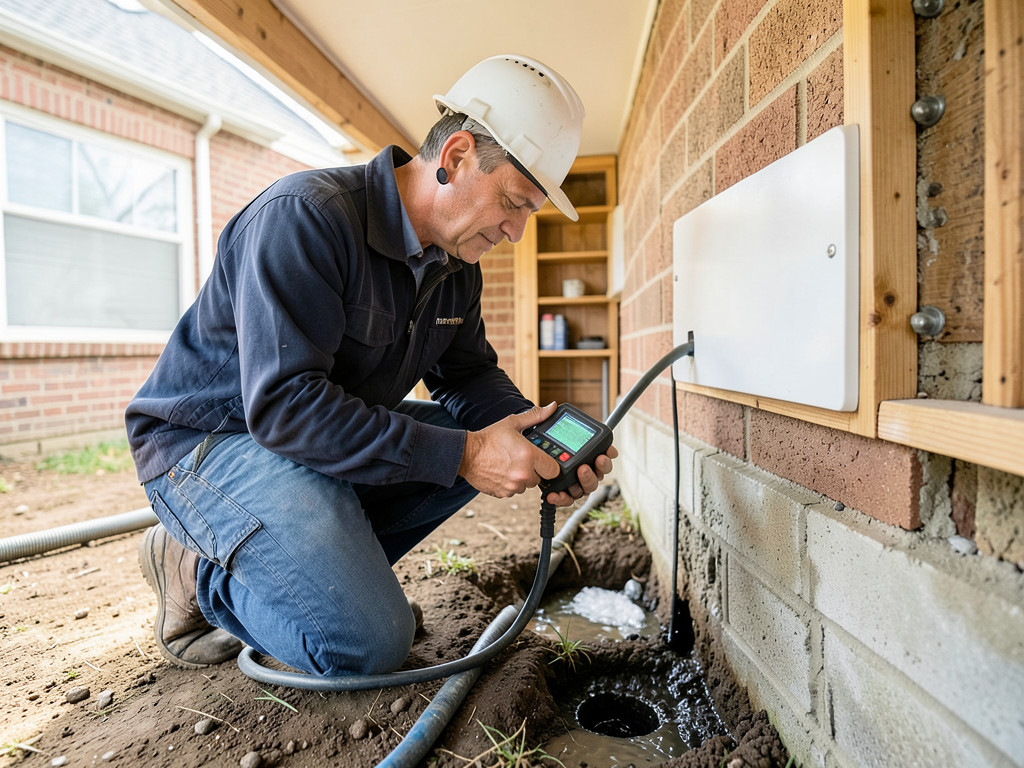
Modern leak detection technology can pinpoint these hidden problems without digging up your entire yard. Electronic leak detection uses sensitive microphones to listen for the sound of water escaping from pipes underground. Thermal imaging cameras can detect temperature differences caused by leaking water, even when it’s buried several feet deep.
Trenchless pipe repair has revolutionized how we fix soil-damaged plumbing in West Neck. Instead of digging long trenches through your yard, technicians can insert a new liner inside your existing pipes. This method not only repairs the damage but also strengthens the pipe against future soil movement. The process typically takes one day and costs about 40% less than traditional excavation.. Read more about Thinking About a Septic to City Sewer Conversion in the Blackwater Area?.
Prevention is always better than repair when it comes to soil-related plumbing damage. Annual plumbing inspections can catch small problems before they become major repairs. A professional inspection includes checking water pressure, looking for signs of foundation movement, and testing for hidden leaks using state-of-the-art equipment.
The cost of ignoring soil-related plumbing problems can be staggering. A single slab leak can cause thousands of dollars in water damage and mold remediation costs. Insurance companies are increasingly denying claims for damage caused by deferred maintenance, making regular inspections more important than ever.
West Neck’s unique combination of sandy soil, high water table, and aging infrastructure creates a perfect storm for plumbing problems. The area’s proximity to water bodies means the ground never fully dries out, keeping soil in constant motion. This perpetual movement is why West Neck homeowners experience more plumbing failures than residents in Virginia Beach’s inland neighborhoods. Why Great Neck residents trust our team for trenchless sewer line repairs.
Climate change is making these problems worse. More frequent heavy rain events and rising sea levels are increasing soil saturation in West Neck. What used to be a slow, manageable problem is becoming an urgent threat to home infrastructure. Pipes that might have lasted 50 years are now failing in 20 or even 10 years.
The solution isn’t just fixing pipes when they break. It’s understanding the underlying soil dynamics and choosing materials and repair methods that can withstand West Neck’s unique conditions. Modern plumbing systems use flexible connections, corrosion-resistant materials, and designs that accommodate ground movement rather than fighting against it.
Homeowners in West Neck need to think differently about their plumbing. It’s not just a network of pipes – it’s a system that must work in harmony with the constantly shifting ground beneath your home. The right approach combines proper materials, regular maintenance, and quick response to early warning signs.
The most successful West Neck homeowners are those who take a proactive approach to soil-related plumbing issues. They schedule regular inspections, invest in quality materials when repairs are needed, and understand that their home’s plumbing is in a constant battle with the ground it’s buried in. This awareness is the first step toward protecting your home from the hidden dangers of soil movement.
If you’re hearing strange sounds from your plumbing, noticing unexplained wet spots, or seeing your water bill creep up without explanation, don’t wait for a major failure. The ground beneath West Neck homes is constantly moving, and your plumbing system is under attack 24 hours a day, 365 days a year. Early detection and proper repair methods can save you thousands of dollars and prevent the nightmare of a major plumbing failure.
Call (948) 207-0600 today to schedule your comprehensive plumbing inspection. Our technicians use the latest technology to detect hidden leaks and assess your system’s vulnerability to soil movement. Don’t let the ground beneath your West Neck home destroy your plumbing from the inside out.
Common Signs of Soil-Related Plumbing Damage
Understanding the warning signs of soil-related plumbing damage can help you catch problems before they become catastrophic. Many West Neck homeowners miss these subtle indicators until major damage has already occurred.
Unexplained increases in your water bill are often the first sign of hidden leaks. A family of four typically uses 8,000-10,000 gallons of water per month. If your usage jumps by 20% or more without a clear explanation like filling a pool or watering a new lawn, you likely have a hidden leak somewhere in your system.
Foundation cracks near bathrooms or kitchens often indicate plumbing problems rather than structural issues. When pipes leak beneath a slab, the escaping water erodes the soil underneath, creating voids that cause the concrete to crack and settle unevenly. These cracks typically appear as stair-step patterns in block foundations or diagonal lines in poured concrete.
Mildew smells in rooms above bathrooms or utility areas can signal hidden moisture from leaking pipes. The high humidity in West Neck makes mold growth accelerate rapidly once moisture is present. If you notice a persistent musty odor that cleaning doesn’t eliminate, it’s time to investigate for hidden leaks.
Low water pressure throughout your home often indicates a leak in your main water line. As water escapes through cracks in buried pipes, less pressure reaches your fixtures. This problem is particularly common in older West Neck neighborhoods where clay soil expansion puts constant stress on main lines.
Sewage odors in your yard or near floor drains can indicate sewer line damage. When soil movement cracks sewer pipes, waste can leak into the surrounding ground. The decomposition process creates methane gas that smells like rotten eggs. This gas can seep back into your home through cracks in the foundation or plumbing vents.
Wet spots in your yard that persist during dry weather often indicate leaking water or sewer lines. These spots may appear greener than surrounding grass because the leaking water acts as fertilizer. In West Neck’s sandy soil, water from a broken pipe can travel surprisingly far underground before surfacing.
Gurgling sounds from drains during rainstorms or high tides indicate soil-saturated conditions affecting your plumbing. When the ground becomes saturated, it puts pressure on buried pipes and can force air bubbles back up through water in your drains. This symptom is particularly common in West Neck’s low-lying areas near West Neck Creek.
Cracks in walls or ceilings that appear suddenly often result from foundation movement caused by plumbing leaks. As water erodes soil beneath your foundation, different parts of your home can settle at different rates. This differential settling creates stress on the structure above, resulting in visible cracks.
Hot water that runs out faster than usual can indicate a hot water pipe leak. When hot water escapes from a buried pipe, it loses heat to the surrounding soil. Your water heater must work harder to maintain temperature, and you’ll notice reduced hot water availability even though the tank is full.
Foundation heaving – where parts of your slab actually rise – can occur when leaking water saturates clay soil beneath your home. Clay soil expands dramatically when wet, and this expansion can push up sections of your foundation. You might notice doors that suddenly stick or cracks that open and close with seasonal moisture changes.
Modern diagnostic tools can detect these problems before they cause major damage. Video camera inspection of sewer lines can reveal cracks, bellies, and root intrusion. Electronic leak detection can pinpoint water leaks within inches of their location. Moisture meters can detect hidden dampness in walls and floors.
The cost of ignoring these warning signs can be substantial. A simple pipe repair might cost $500-$1,500, but water damage to floors, walls, and personal belongings can run into tens of thousands of dollars. Mold remediation alone can cost $5,000-$15,000 depending on the extent of contamination.
West Neck homeowners should consider annual plumbing inspections as essential maintenance rather than optional service. The combination of aging infrastructure, soil movement, and high water table creates conditions where small problems can quickly escalate into major emergencies. Prevention is always less expensive than emergency repairs.
Call (948) 207-0600 to schedule your comprehensive plumbing inspection before minor issues become major problems. Our experienced technicians understand West Neck’s unique soil challenges and can identify potential problems before they cause serious damage to your home.
Advanced Repair Solutions for Soil-Damaged Plumbing
When soil movement damages your plumbing, modern repair techniques offer solutions that are faster, less invasive, and more durable than traditional methods. Understanding these options can help you make informed decisions about protecting your West Neck home.
Trenchless pipe lining represents the most significant advancement in plumbing repair technology. This method involves inserting a flexible liner coated with epoxy resin into your existing damaged pipe. The liner is then inflated and cured in place, creating a new pipe within the old one. The process typically takes 4-8 hours and requires only one or two small access holes rather than digging up your entire yard.
The epoxy lining creates a pipe that’s actually more durable than the original. It’s resistant to corrosion, root intrusion, and the soil movement that caused the original damage. The smooth interior surface also improves water flow and reduces the likelihood of future clogs. Most trenchless lining projects come with 10-50 year warranties depending on the materials used.
Pipe bursting is another trenchless option for severely damaged pipes. This method uses a hydraulic machine to pull a new pipe through the old one while simultaneously breaking apart the damaged pipe. The new pipe is typically high-density polyethylene (HDPE) that can flex with soil movement rather than cracking under pressure. What to do when you have a burst pipe in your Little Neck home.
Traditional excavation remains necessary for some situations, particularly when the damage is extensive or when access to the problem area is limited. Modern excavation techniques use precision equipment and careful planning to minimize damage to landscaping and hardscaping. Many West Neck homeowners are surprised to learn that a full excavation can often be completed in one or two days with proper equipment and planning.
Foundation leak repair requires specialized techniques when pipes run beneath concrete slabs. One common method involves rerouting pipes through walls or ceilings rather than repairing the buried lines. This approach eliminates the problem pipe while providing easier access for future maintenance. The trade-off is visible new plumbing in your home’s interior.
Spot repairs target specific damaged sections of pipe rather than replacing entire lines. This approach works well when damage is isolated to one or two locations. Technicians use video inspection to locate the exact problem area, then excavate only that section for repair. This method minimizes disruption and cost while addressing the specific issue.
Material selection is crucial for long-term success in West Neck’s soil conditions. Modern PEX piping offers excellent flexibility and resistance to freeze damage. Copper remains popular for its durability and antimicrobial properties. For sewer lines, PVC and ABS plastic offer good chemical resistance and smooth interiors that prevent clogs.
Soil stabilization around repaired pipes can prevent future movement-related damage. This process involves injecting grout or other stabilizing materials into the soil to create a more uniform bearing surface for pipes. While more expensive upfront, this approach can significantly extend the life of plumbing repairs in areas with unstable soil.
Pressure testing after repairs ensures the work was completed successfully. Technicians pressurize the system and monitor for pressure drops that would indicate remaining leaks. This testing typically runs for 15-30 minutes and provides documentation that the repair meets industry standards.
Permits and inspections are required for most plumbing repairs in Virginia Beach. The city’s building department reviews plans and conducts inspections to ensure work meets code requirements. While this process adds time to repairs, it provides assurance that the work meets safety and quality standards.
Insurance coverage for plumbing repairs varies significantly. Most policies cover sudden, accidental damage but exclude problems resulting from deferred maintenance or known soil conditions. Some West Neck homeowners have found that adding specific coverage for plumbing and foundation issues provides valuable protection against soil-related damage.
The cost of repairs depends on multiple factors including the extent of damage, repair method chosen, and accessibility of the problem area. Simple spot repairs might cost $500-$1,500, while complete sewer line replacement via trenchless methods typically runs $3,000-$7,000. Traditional excavation can cost $5,000-$15,000 depending on the scope of work.
Emergency repairs often cost 25-50% more than scheduled work due to after-hours labor rates and expedited material delivery. This premium makes regular maintenance and early problem detection particularly valuable for West Neck homeowners concerned about controlling repair costs.
Financing options are available for major plumbing repairs. Many companies offer payment plans that spread costs over 12-60 months. Some homeowners use home equity lines of credit or credit cards for emergency repairs when immediate action is necessary to prevent further damage.
Post-repair monitoring helps ensure long-term success. Many companies offer follow-up inspections at 30, 90, and 180 days after major repairs. These inspections can catch any remaining issues before they become serious problems and provide documentation for warranty claims if needed.
The best repair strategy combines immediate problem resolution with long-term prevention. This might mean choosing more expensive materials or methods that offer better durability in West Neck’s challenging soil conditions. The additional upfront cost often pays for itself through reduced maintenance and fewer emergency repairs over the life of the plumbing system.
Call (948) 207-0600 to discuss repair options for your soil-damaged plumbing. Our experienced team can assess your specific situation and recommend the most effective, cost-efficient solution for your West Neck home.
Preventing Future Soil-Related Plumbing Problems
Prevention is always more cost-effective than repair when it comes to soil-related plumbing damage. West Neck homeowners can take several steps to protect their plumbing systems from the ground movement that causes so many problems in this area.
Regular plumbing inspections form the foundation of any prevention strategy. Annual inspections by qualified technicians can identify small problems before they become major repairs. These inspections typically include checking water pressure, testing for hidden leaks, inspecting visible pipes for corrosion or damage, and using video inspection to examine sewer lines.
Water pressure monitoring can reveal developing problems before they cause visible damage. Most homes in West Neck should maintain water pressure between 40-60 psi. Pressure that consistently exceeds 80 psi puts stress on all plumbing components and can cause premature failure of pipes, fixtures, and appliances.
Foundation drainage improvements can reduce soil saturation around your home. French drains, surface grading, and proper gutter systems direct water away from your foundation rather than allowing it to saturate the soil. This reduction in soil moisture helps minimize the expansion and contraction that damages buried pipes.
Tree and shrub management near your home can prevent root intrusion into sewer lines. Roots naturally seek out moisture, and small cracks in sewer pipes release water vapor that attracts roots from considerable distances. Once inside pipes, roots grow rapidly and cause major blockages and damage. Keep large plants at least 10 feet from sewer lines.
Water softener installation can extend the life of your plumbing in West Neck’s hard water conditions. While hard water doesn’t directly cause soil-related damage, it accelerates corrosion in metal pipes and creates scale buildup that reduces water flow. Softened water is gentler on all plumbing components and can add years to the life of your system.
Backflow prevention devices protect your plumbing from contamination and pressure surges. These devices prevent contaminated water from flowing back into your clean water supply during pressure drops. They also help maintain consistent pressure throughout your system, reducing stress on pipes and fixtures.
Proper insulation of exposed pipes prevents freeze damage during Virginia Beach’s occasional cold snaps. While freezing isn’t a year-round concern, unprepared pipes can burst when temperatures drop below 32°F. Insulation also helps maintain hot water temperature and can reduce energy costs for water heating.
Smart water monitoring systems provide 24/7 protection against leaks and unusual water usage. These systems use flow sensors to detect abnormal patterns that might indicate leaks or running fixtures. Many can automatically shut off water supply when problems are detected, preventing thousands of dollars in potential damage.
Soil testing around your home can identify areas with high clay content or poor drainage that pose particular risks to plumbing. This information helps you target prevention efforts where they’ll be most effective. Some West Neck neighborhoods have soil maps available through the USDA Natural Resources Conservation Service.
Proper grading around your home ensures water flows away from your foundation rather than toward it. The ground should slope away from your home at a rate of at least 6 inches over the first 10 feet. This simple measure can significantly reduce soil saturation near your foundation and buried pipes.
Regular maintenance of your water heater prevents sediment buildup that can cause pressure fluctuations throughout your plumbing system. Flushing your water heater annually removes sediment that accumulates in the tank and can cause erratic water pressure that stresses pipes and fixtures.
Sewer line cleaning every 18-24 months removes buildup that can cause backups and puts stress on pipe joints. This preventive maintenance is particularly important in older West Neck neighborhoods where clay soil movement already puts stress on sewer lines. Professional cleaning uses high-pressure water jets to thoroughly clean pipe interiors.
Foundation crack monitoring helps you identify developing problems early. Small cracks that grow over time often indicate underlying issues like soil movement or plumbing leaks. Documenting crack width and length with photos every few months provides valuable information for diagnosing problems.
Proper landscaping choices can reduce soil moisture near your home. Native plants adapted to Virginia’s climate require less irrigation than exotic species. Mulch helps retain soil moisture but should be kept 6-12 inches from your foundation to prevent moisture wicking into your home’s structure.
Emergency shutoff valve installation provides quick response capability if major leaks occur. These valves can be manually operated or connected to smart monitoring systems that automatically shut off water when problems are detected. Quick water shutoff can prevent thousands of dollars in water damage.
Documentation of your plumbing system helps technicians diagnose problems more quickly when issues arise. Create a simple diagram showing the location of main shutoff valves, water heater, and major fixtures. Note the age and material of visible pipes. This information saves time and money during service calls.
Community awareness in West Neck neighborhoods can help identify widespread problems. If multiple homes in your area experience similar issues, it might indicate a larger infrastructure problem rather than isolated incidents. Sharing information with neighbors can help you make informed decisions about prevention and repair.
The cost of prevention is typically 10-20% of what emergency repairs cost. Annual inspection fees of $150-$300 can prevent thousands of dollars in damage from undetected leaks or pipe failures. This cost-benefit ratio makes prevention one of the smartest investments West Neck homeowners can make.
Call (948) 207-0600 to schedule your comprehensive plumbing inspection and learn about prevention strategies specific to your West Neck home. Our experienced team can identify potential problems and recommend cost-effective solutions to protect your home from soil-related plumbing damage.
Frequently Asked Questions
How do I know if my plumbing problems are caused by soil movement?
Soil-related plumbing issues typically show specific patterns. Look for problems that worsen during seasonal changes – cracks that open in dry weather and close when it rains, or gurgling drains during high tides. Unexplained wet spots in your yard that persist during dry weather often indicate leaking pipes affected by soil movement. Water pressure that fluctuates with seasonal moisture changes also suggests soil is affecting your buried pipes.
Does homeowners insurance cover plumbing damage from soil movement?
Most standard homeowners policies cover sudden, accidental plumbing failures but exclude damage from soil movement, settling, or gradual deterioration. Some insurers offer additional coverage for plumbing and foundation issues, but these typically require separate endorsements and may have specific exclusions. Review your policy carefully and consider additional coverage if you live in an area with known soil problems like West Neck.
How long do plumbing repairs last in areas with unstable soil?
The longevity of plumbing repairs in unstable soil depends on the repair method and materials used. Traditional excavation repairs might last 10-15 years in challenging soil conditions. Trenchless methods using flexible materials like HDPE can last 30-50 years even in areas with significant soil movement. The key is choosing materials and techniques specifically designed to accommodate ground movement rather than resist it.
Can I prevent soil-related plumbing problems in my West Neck home?
While you can’t eliminate soil movement, you can significantly reduce its impact on your plumbing. Annual inspections catch problems early, proper drainage keeps soil moisture levels more consistent, and using flexible piping materials helps pipes move with the ground rather than cracking under stress. Smart water monitoring systems can also detect leaks within hours rather than allowing them to worsen for months.
How much does it cost to repair soil-damaged plumbing?
Repair costs vary widely based on damage extent, repair method, and accessibility. Simple spot repairs might cost $500-$1,500, while trenchless sewer line replacement typically runs $3,000-$7,000. Complete traditional excavation can cost $5,000-$15,000 or more. Emergency repairs often cost 25-50% more than scheduled work. Prevention through annual inspections costs $150-$300 but can prevent thousands in emergency repairs.
What’s the best time of year to address soil-related plumbing issues?
The best time for plumbing work in West Neck is typically spring or fall when temperatures are moderate and soil moisture levels are stable. Summer’s dry conditions can make excavation difficult, while winter’s wet weather can complicate repairs and delay projects. However, active leaks should be addressed immediately regardless of season to prevent water damage and mold growth.
Are newer homes in West Neck less likely to have soil-related plumbing problems?
Newer homes built after 2010 are generally less vulnerable because building codes now require flexible piping connections in areas with known soil movement. However, even modern homes can experience problems if installed over particularly unstable soil or if drainage issues cause excessive soil saturation. The age of your home matters less than the specific soil conditions and drainage patterns at your property.
How can I tell if my plumbing problem is an emergency?
Plumbing emergencies typically involve active water damage, sewage backups, complete loss of water service, or gas leaks. Signs include water actively flowing where it shouldn’t, sewage surfacing in your yard or backing up into fixtures, no water pressure throughout your home, or the smell of gas. If you’re unsure, it’s better to err on the side of caution and call for professional assessment immediately.
What should I do if I suspect a hidden plumbing leak?
First, check your water meter for movement when all fixtures are off – if the meter continues running, you likely have a leak. Next, look for signs like unexplained wet spots, mildew smells, or cracks in walls or floors. Avoid using plumbing fixtures until a professional can assess the situation. Hidden leaks can cause extensive damage quickly, so prompt professional diagnosis is important even if the leak seems minor.
How does West Neck’s proximity to water bodies affect plumbing problems?
West Neck’s location near West Neck Creek and the Chesapeake Bay means the water table fluctuates with tidal changes and seasonal rainfall. This fluctuation causes constant soil movement that puts stress on buried pipes. During wet seasons, saturated soil expands and can heave pipes upward. During dry periods, soil contracts and can leave pipes unsupported. This perpetual movement is why West Neck experiences more plumbing failures than inland areas.

Take Action Before Your Plumbing Fails
The ground beneath your West Neck home is constantly moving, and your plumbing system is under attack 24 hours a day. Small problems today become major emergencies tomorrow. Don’t wait for a catastrophic failure that could cost thousands in water damage and mold remediation.
Call (948) 207-0600 today to schedule your comprehensive plumbing inspection. Our experienced technicians use the latest technology to detect hidden leaks and assess your system’s vulnerability to soil movement. We understand West Neck’s unique soil challenges and can recommend cost-effective solutions to protect your home.
Prevention is always less expensive than emergency repairs. A simple $150 inspection today can prevent $15,000 in water damage tomorrow. Don’t let the ground beneath your West Neck home destroy your plumbing from the inside out. Pick up the phone and call (948) 207-0600 before the next storm hits. For more information, visit USGS groundwater information.
{
“@context”: “https://schema.org”,
“@type”: “BlogPosting”,
“headline”: “Why Your West Neck Home Has Mysterious Cracks in the Plumbing (The Soil Problem)”,
“description”: “Learn how West Neck’s unique soil conditions cause hidden plumbing cracks. Liberty Plumbing Virginia Beach provides expert leak detection and repairs. Call (948) 207-0600.”,
“wordCount”: 4585,
“datePublished”: “2026-06-07T07:09:00.000Z”,
“dateModified”: “2026-06-07T07:09:00.000Z”,
“inLanguage”: “en-US”,
“mainEntityOfPage”: {
“@type”: “WebPage”,
“@id”: “https://libertyplumbingvirginiabeach.com”
},
“publisher”: {
“@type”: “LocalBusiness”,
“name”: “Liberty Plumbing Virginia Beach”,
“url”: “https://libertyplumbingvirginiabeach.com”
},
“author”: {
“@type”: “Organization”,
“name”: “Liberty Plumbing Virginia Beach”,
“url”: “https://libertyplumbingvirginiabeach.com”
},
“image”: {
“@type”: “ImageObject”,
“url”: “https://libertyplumbingvirginiabeach.com/wp-content/uploads/2026/03/why-your-west-neck-home-has-mysterious-cracks-in-t-1.png”
}
}
{
“@context”: “https://schema.org”,
“@type”: “Plumber”,
“name”: “Liberty Plumbing Virginia Beach”,
“url”: “https://libertyplumbingvirginiabeach.com”,
“address”: {
“@type”: “PostalAddress”,
“addressLocality”: “Virginia Beach”
},
“areaServed”: {
“@type”: “City”,
“name”: “Virginia Beach”
}
}
{
“@context”: “https://schema.org”,
“@type”: “FAQPage”,
“mainEntity”: [
{
“@type”: “Question”,
“name”: “How do I know if my plumbing problems are caused by soil movement?”,
“acceptedAnswer”: {
“@type”: “Answer”,
“text”: “Soil-related plumbing issues typically show specific patterns. Look for problems that worsen during seasonal changes – cracks that open in dry weather and close when it rains, or gurgling drains during high tides. Unexplained wet spots in your yard that persist during dry weather often indicate leaking pipes affected by soil movement. Water pressure that fluctuates with seasonal moisture changes also suggests soil is affecting your buried pipes.”
}
},
{
“@type”: “Question”,
“name”: “Does homeowners insurance cover plumbing damage from soil movement?”,
“acceptedAnswer”: {
“@type”: “Answer”,
“text”: “Most standard homeowners policies cover sudden, accidental plumbing failures but exclude damage from soil movement, settling, or gradual deterioration. Some insurers offer additional coverage for plumbing and foundation issues, but these typically require separate endorsements and may have specific exclusions. Review your policy carefully and consider additional coverage if you live in an area with known soil problems like West Neck.”
}
},
{
“@type”: “Question”,
“name”: “How long do plumbing repairs last in areas with unstable soil?”,
“acceptedAnswer”: {
“@type”: “Answer”,
“text”: “The longevity of plumbing repairs in unstable soil depends on the repair method and materials used. Traditional excavation repairs might last 10-15 years in challenging soil conditions. Trenchless methods using flexible materials like HDPE can last 30-50 years even in areas with significant soil movement. The key is choosing materials and techniques specifically designed to accommodate ground movement rather than resist it.”
}
},
{
“@type”: “Question”,
“name”: “Can I prevent soil-related plumbing problems in my West Neck home?”,
“acceptedAnswer”: {
“@type”: “Answer”,
“text”: “While you can’t eliminate soil movement, you can significantly reduce its impact on your plumbing. Annual inspections catch problems early, proper drainage keeps soil moisture levels more consistent, and using flexible piping materials helps pipes move with the ground rather than cracking under stress. Smart water monitoring systems can also detect leaks within hours rather than allowing them to worsen for months.”
}
},
{
“@type”: “Question”,
“name”: “How much does it cost to repair soil-damaged plumbing?”,
“acceptedAnswer”: {
“@type”: “Answer”,
“text”: “Repair costs vary widely based on damage extent, repair method, and accessibility. Simple spot repairs might cost $500-$1,500, while trenchless sewer line replacement typically runs $3,000-$7,000. Complete traditional excavation can cost $5,000-$15,000 or more. Emergency repairs often cost 25-50% more than scheduled work. Prevention through annual inspections costs $150-$300 but can prevent thousands in emergency repairs.”
}
},
{
“@type”: “Question”,
“name”: “What’s the best time of year to address soil-related plumbing issues?”,
“acceptedAnswer”: {
“@type”: “Answer”,
“text”: “The best time for plumbing work in West Neck is typically spring or fall when temperatures are moderate and soil moisture levels are stable. Summer’s dry conditions can make excavation difficult, while winter’s wet weather can complicate repairs and delay projects. However, active leaks should be addressed immediately regardless of season to prevent water damage and mold growth.”
}
},
{
“@type”: “Question”,
“name”: “Are newer homes in West Neck less likely to have soil-related plumbing problems?”,
“acceptedAnswer”: {
“@type”: “Answer”,
“text”: “Newer homes built after 2010 are generally less vulnerable because building codes now require flexible piping connections in areas with known soil movement. However, even modern homes can experience problems if installed over particularly unstable soil or if drainage issues cause excessive soil saturation. The age of your home matters less than the specific soil conditions and drainage patterns at your property.”
}
},
{
“@type”: “Question”,
“name”: “How can I tell if my plumbing problem is an emergency?”,
“acceptedAnswer”: {
“@type”: “Answer”,
“text”: “Plumbing emergencies typically involve active water damage, sewage backups, complete loss of water service, or gas leaks. Signs include water actively flowing where it shouldn’t, sewage surfacing in your yard or backing up into fixtures, no water pressure throughout your home, or the smell of gas. If you’re unsure, it’s better to err on the side of caution and call for professional assessment immediately.”
}
},
{
“@type”: “Question”,
“name”: “How does West Neck’s proximity to water bodies affect plumbing problems?”,
“acceptedAnswer”: {
“@type”: “Answer”,
“text”: “West Neck’s location near West Neck Creek and the Chesapeake Bay means the water table fluctuates with tidal changes and seasonal rainfall. This fluctuation causes constant soil movement that puts stress on buried pipes. During wet seasons, saturated soil expands and can heave pipes upward. During dry periods, soil contracts and can leave pipes unsupported. This perpetual movement is why West Neck experiences more plumbing failures than inland areas.”
}
}
]
}
{
“@context”: “https://schema.org”,
“@type”: “BreadcrumbList”,
“itemListElement”: [
{
“@type”: “ListItem”,
“position”: 1,
“name”: “Home”,
“item”: “https://libertyplumbingvirginiabeach.com”
},
{
“@type”: “ListItem”,
“position”: 2,
“name”: “Blog”,
“item”: “https://libertyplumbingvirginiabeach.com/blog”
},
{
“@type”: “ListItem”,
“position”: 3,
“name”: “Why Your West Neck Home Has Mysterious Cracks in the Plumbing (The Soil Problem)”
}
]
}
{
“@context”: “https://schema.org”,
“@type”: “Service”,
“serviceType”: “Plumbing”,
“provider”: {
“@type”: “LocalBusiness”,
“name”: “Liberty Plumbing Virginia Beach”,
“url”: “https://libertyplumbingvirginiabeach.com”
},
“areaServed”: {
“@type”: “City”,
“name”: “Virginia Beach”
},
“description”: “Learn how West Neck’s unique soil conditions cause hidden plumbing cracks. Liberty Plumbing Virginia Beach provides expert leak detection and repairs. Call (948) 207-0600.”
}